Gwadar Violence: Why Balochistan Feels Left Behind as China-Pakistan Port Develops
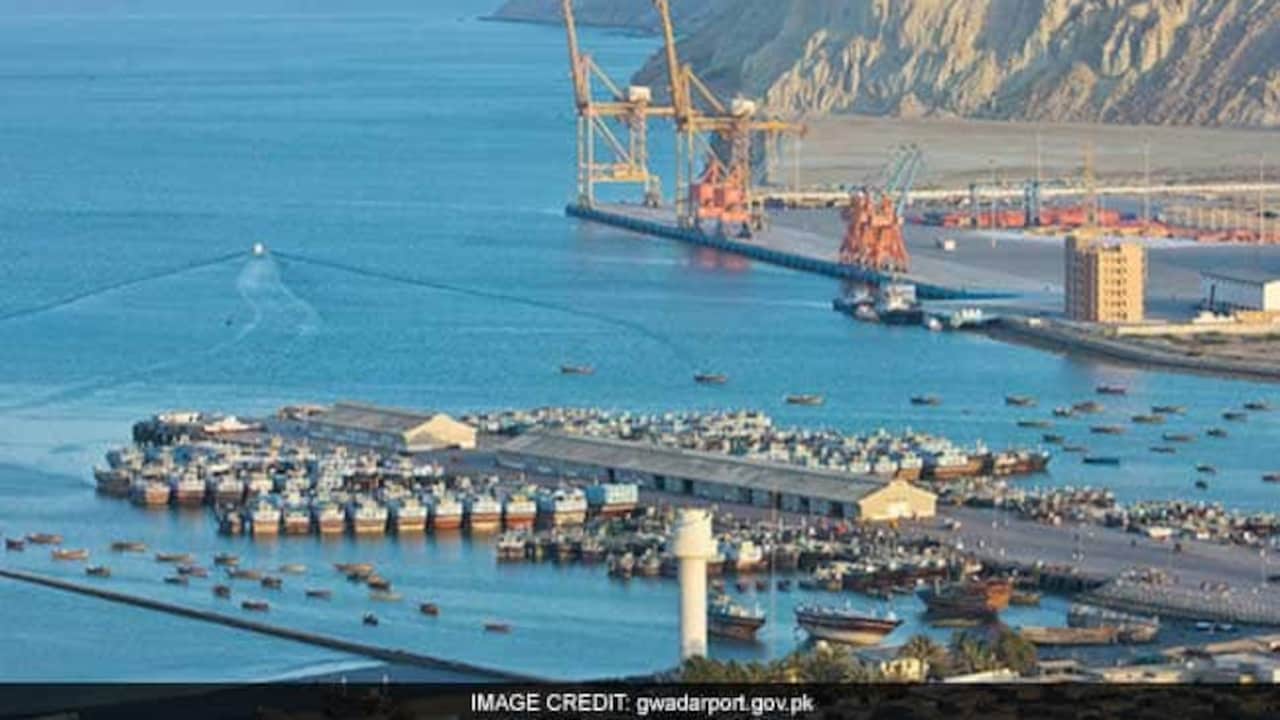
An explosion struck a Pakistan Coast Guard camp near Jiwani last Friday, sending residents of nearby fishing villages into familiar routines of seeking shelter and checking on loved ones. The Balochistan Liberation Army (BLA) claimed responsibility, alleging dozens of security personnel were killed. Official casualty figures remained unconfirmed at the time of reporting.
Gwadar, a coastal town in Balochistan, appears tranquil with fishermen at dawn and children on the beaches. However, its location places it on a strategic chessboard: a few hundred kilometres from the Strait of Hormuz, a critical global oil route, and as the maritime terminus of the China-Pakistan Economic Corridor (CPEC). For China, the port offers a shorter alternative route for goods and energy; for Pakistan, it promises boosted trade and enhanced naval presence. Yet for many locals, these promises have not translated into everyday benefits.
Residents and local leaders in Gwadar and surrounding districts often express that they have not seen the anticipated benefits. Land that once supported fishing and small farms has been used for mines, pipelines, and ports. A common sentiment is that resources are extracted, jobs go to outsiders, and decisions are made far from their villages. “It's their project, not ours,” a Gwadar shopkeeper told this publication, speaking on condition of anonymity. “We hear about development on TV, but our children still can't find regular work.” This sense of exclusion is what groups like the BLA exploit, framing Gwadar as a symbol of outsiders profiting while locals are left behind.
The nature of attacks has evolved from roadside bombs to complex operations targeting port facilities, naval outposts, and even using drones. Friday's suicide truck assault on a fortified Coast Guard camp illustrates the adaptive and deadly threat. Pakistan has responded by creating a dedicated security division for Chinese workers and tightening security around Gwadar. However, militants continue to find new targets. While officials sometimes blame foreign support, many analysts and Baloch people point to local roots: political neglect, weak institutions, and failure to share the region's wealth.
CPEC promised massive investments in roads, rails, and power projects, but many plans are behind schedule, and commercial activity at the port has lagged. Authorities point to recent steps like allowing transit cargo to Iran through Gwadar as signs of progress. But for families, what matters are lasting jobs, reliable schools and hospitals, and roads that connect them to opportunity—not just headlines about multibillion-dollar deals.
Change is possible, but security measures alone are insufficient. To transform Gwadar from a headline or battleground into a stable hub, Islamabad and its partners must win local trust. This requires visible, fast results: training and hiring local workers, genuine revenue sharing, better schools and clinics, and inclusion in planning and governance. For the people of Gwadar, stability is not an abstract goal—it is the chance to send a child to school without fear.