Glaw Lake in Arunachal Pradesh Is India's 101st Ramsar Wetland Site
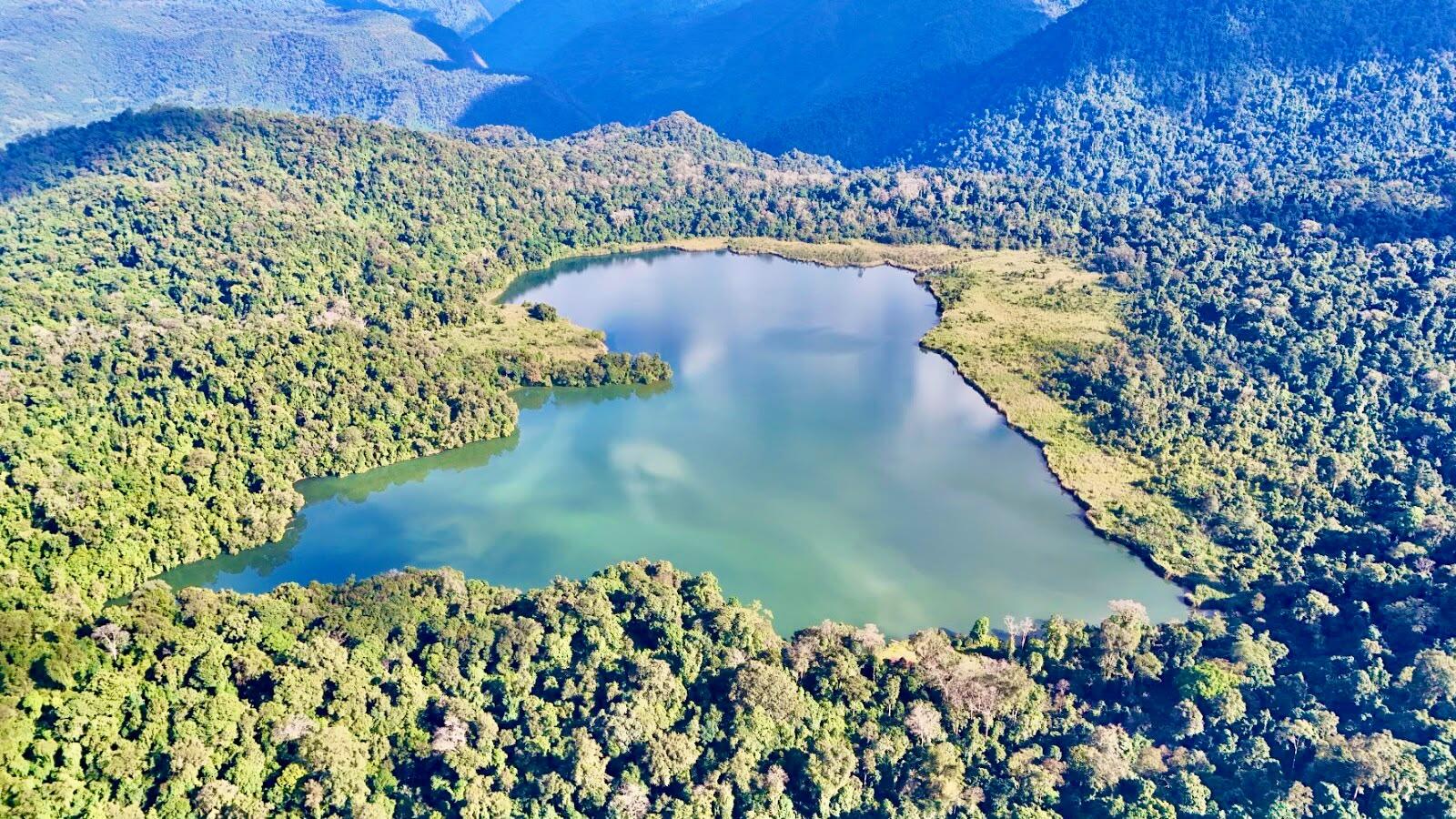
In a significant conservation milestone, Glaw Lake in Arunachal Pradesh has been designated as a Ramsar site, making it India's 101st wetland of international importance. This is the first Ramsar site for the state, marking a step forward in the nation's commitment to protecting critical ecosystems.
Located within the Kamlang Tiger Reserve and Wildlife Sanctuary, Glaw Lake is a pristine freshwater lake nestled in the Eastern Himalayas. The lake is fed by perennial mountain streams and surrounded by lush vegetation, making it a biodiversity hotspot. According to official records, the wetland and its catchment area support over 150 tree species and 49 orchid species, underscoring its ecological richness and the importance of preserving its surrounding landscape.
Union Environment Minister Bhupender Yadav announced the designation on social media platform X on Monday. "Every new Ramsar site strengthens our resolve to protect nature while securing the future of communities that depend on these invaluable ecosystems," he said.
Yadav also highlighted India's conservation journey, noting that the country has expanded its network of Ramsar sites from 26 in 2014 to 101 today. "This remarkable journey reflects our unwavering commitment to environmental protection, biodiversity conservation, and sustainable development," he added.
Globally, there are nearly 2,600 wetlands designated under the Ramsar Convention, an international treaty for the conservation and sustainable use of wetlands. India now has the highest number of Ramsar sites in Asia and the third highest in the world, following the United Kingdom (176) and Mexico (144).
Wetlands are land areas that are temporarily or permanently covered by water. They are critical ecosystems that support biodiversity and provide a range of ecosystem services, including flood control, water supply, food, fibre, and raw materials. Their protection is essential for both environmental health and human well-being.
The inclusion of Glaw Lake in the Ramsar list is expected to bring greater international attention and conservation support to the region, contributing to the preservation of its unique flora and fauna for future generations.