Four Geopolitical Shifts from Iran Conflict That Impact India's Energy and Security

The recent conflict between the United States and Iran, which began with American airstrikes on Iranian leadership on February 28 and ended with a ceasefire on April 8, has produced several geopolitical and geoeconomic changes. For petroleum-importing nations like India, these shifts carry significant implications for energy and national security strategies.
Diminishing confidence in US security guarantees
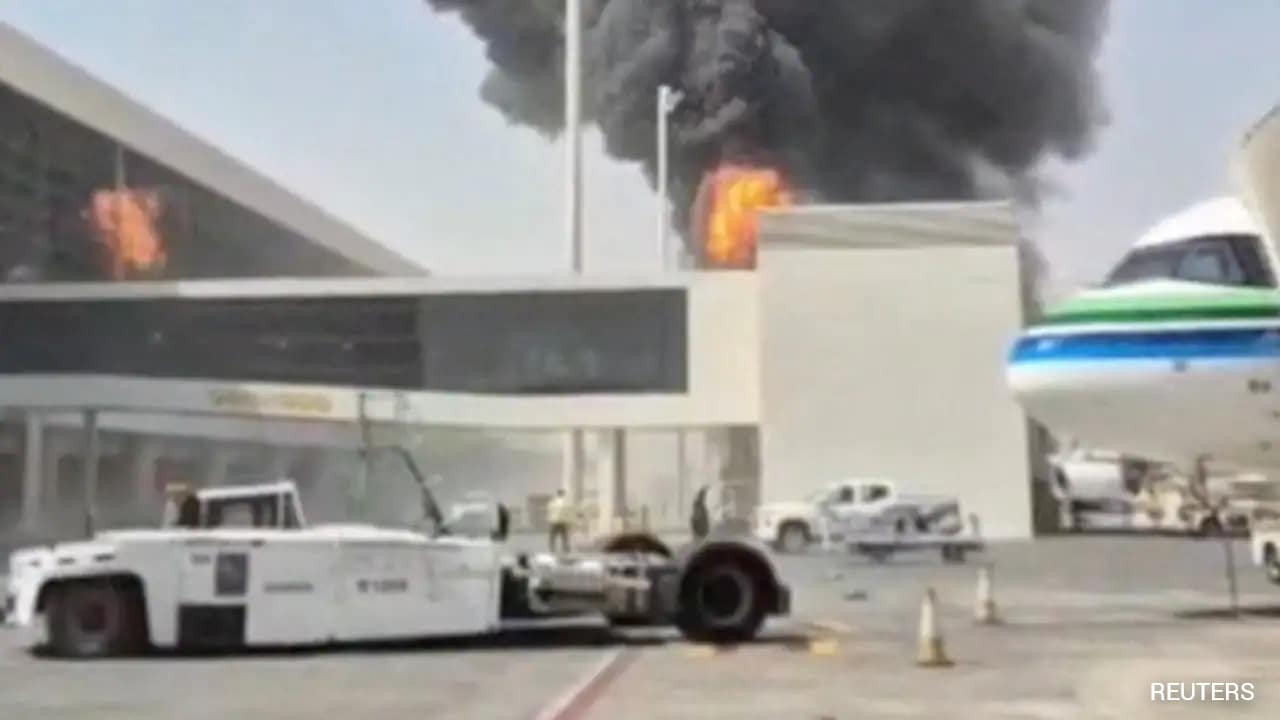
Analysts widely agree that the United States failed to achieve its stated objectives in the conflict, including regime change, eliminating Iran's weapons-grade uranium, and degrading Iran's regional power. Despite extensive bombing campaigns, the US also could not protect its Gulf allies—Saudi Arabia, the UAE, Qatar, Bahrain, and Kuwait—from Iranian missile and drone attacks, causing physical and economic damage. This has eroded trust in American security assurances, creating opportunities for non-Western countries to deepen security ties in the region. Indian defence and technology companies may explore mutually beneficial partnerships.
Choke points as strategic levers
Iran successfully blocked shipping traffic through the Strait of Hormuz using missiles, fast boats, and social messaging, disrupting 20% of global oil supplies. This challenged the conventional belief that Iran lacked the capability to enforce a blockade. Oil prices surged from $75 to $126 per barrel during the conflict. The economic and political pressure contributed to US President Donald Trump's pursuit of peace, as rising gasoline prices threatened his party's mid-term election prospects. The episode highlights how geographic choke points can be leveraged for asymmetric strategic advantage.
Reassessment of energy security
The supply disruption forced Asian countries, including India, to impose demand-reduction measures and draw down strategic petroleum reserves. The sharp price spike underscores the vulnerability of oil-dependent economies to regional conflicts. India and other nations may now accelerate diversification of energy sources, invest in renewable energy, and strengthen emergency preparedness.
Opportunities for non-Western security cooperation
The US's perceived failure has opened diplomatic space for other powers to engage with Gulf states. India, with its growing defence industry and strategic autonomy, could enhance cooperation in technology transfer, joint exercises, and intelligence sharing. However, such moves must be balanced with existing ties to the US and other partners.
While the long-term structural impact of these shifts remains uncertain, India should incorporate these lessons into its policy planning to ensure resilient energy and security frameworks.