El Niño Year Pushes Farmers to Adopt Water-Saving Direct Seeded Rice
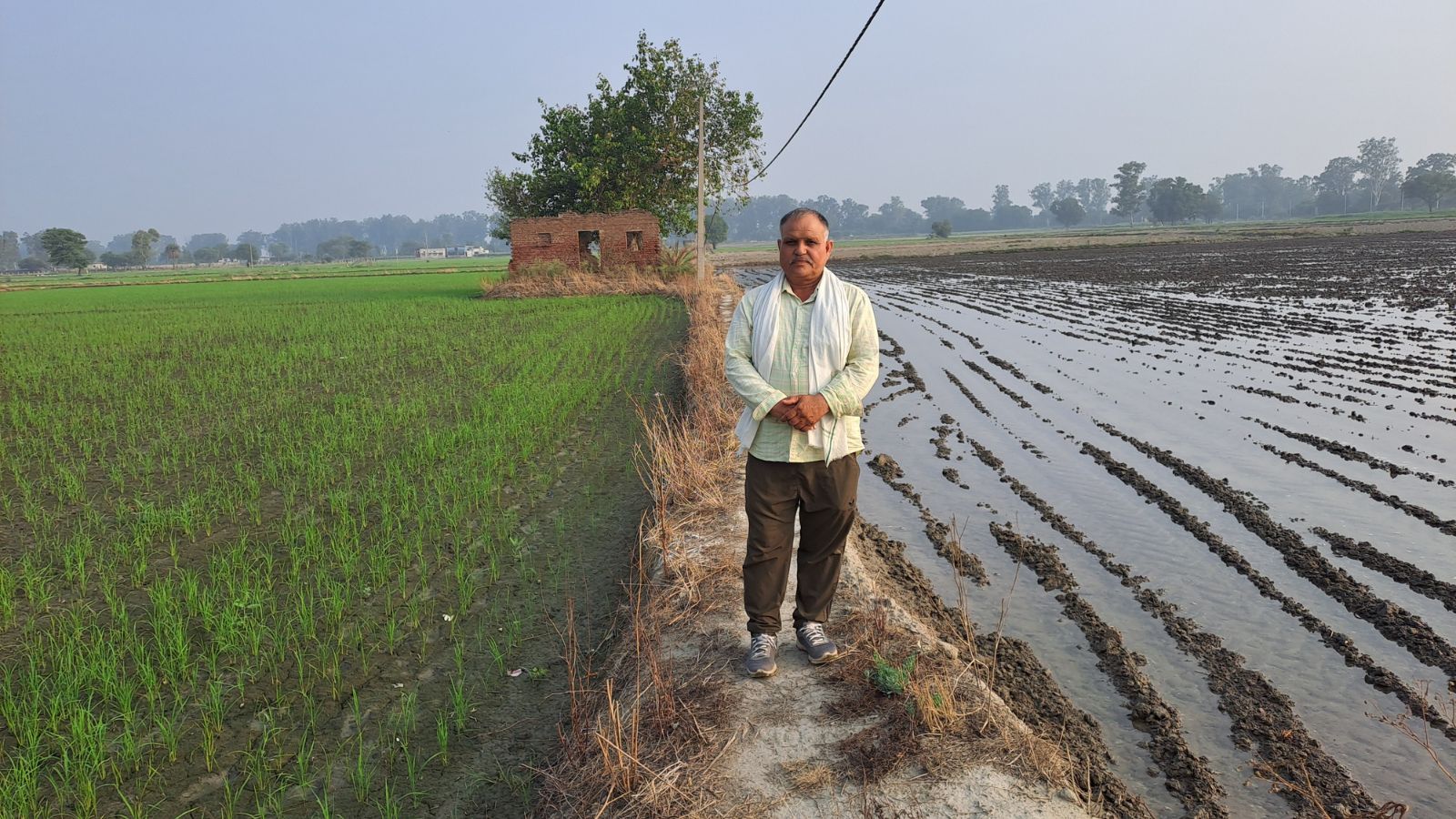
As India faces a below-normal monsoon season with rainfall 24.1% deficit as of July 5, farmers are increasingly turning to direct-seeded rice (DSR) technology to combat water and labour shortages. The traditional method of puddling and transplanting paddy requires frequent irrigation and significant manual labour, challenges that are becoming more acute in an El Niño year.
Satyavan Sehrawat, a basmati paddy grower from Daryapur Kalan village in Delhi, explains the drawbacks of conventional methods. 'Puddling itself consumes water equivalent to three irrigations. For the first three weeks after transplanting, the field has to be irrigated every second day to maintain standing water depth of 4–5 cm, and once a week thereafter,' said the 56-year-old farmer, who cultivates basmati on 50 of his 54-acre holding. Depending on crop duration and rainfall, total irrigations range from 20 to 30, each using over 200,000 litres per acre.
Labour scarcity adds to the cost. Sehrawat pays Rs 4,000 per acre for transplanting workers, plus refreshments and fuel. Smaller farmers often pay Rs 5,000 per acre.
DSR technology eliminates the need for nurseries, puddling, and continuous flooding. Instead, seeds are sown directly in the field like wheat. To control weeds, chemical herbicides replace water. Specifically, Imazethapyr-tolerant rice varieties are used, such as Pusa Basmati-1985 and Pusa Basmati-1979, developed by the Indian Agricultural Research Institute (IARI) through non-GM mutation breeding. These tolerate the herbicide, which would otherwise kill both weeds and the crop.
Sehrawat, who cultivates these tolerant varieties, says DSR reduces water consumption and labour costs. 'I can now manage with less water and without hiring transplanting workers,' he noted. The technology is gaining traction as farmers seek adaptive measures in the face of erratic monsoons and rising input costs.







