Around 100 Murder Cases Transferred From UP Fast-Track Judge's Court
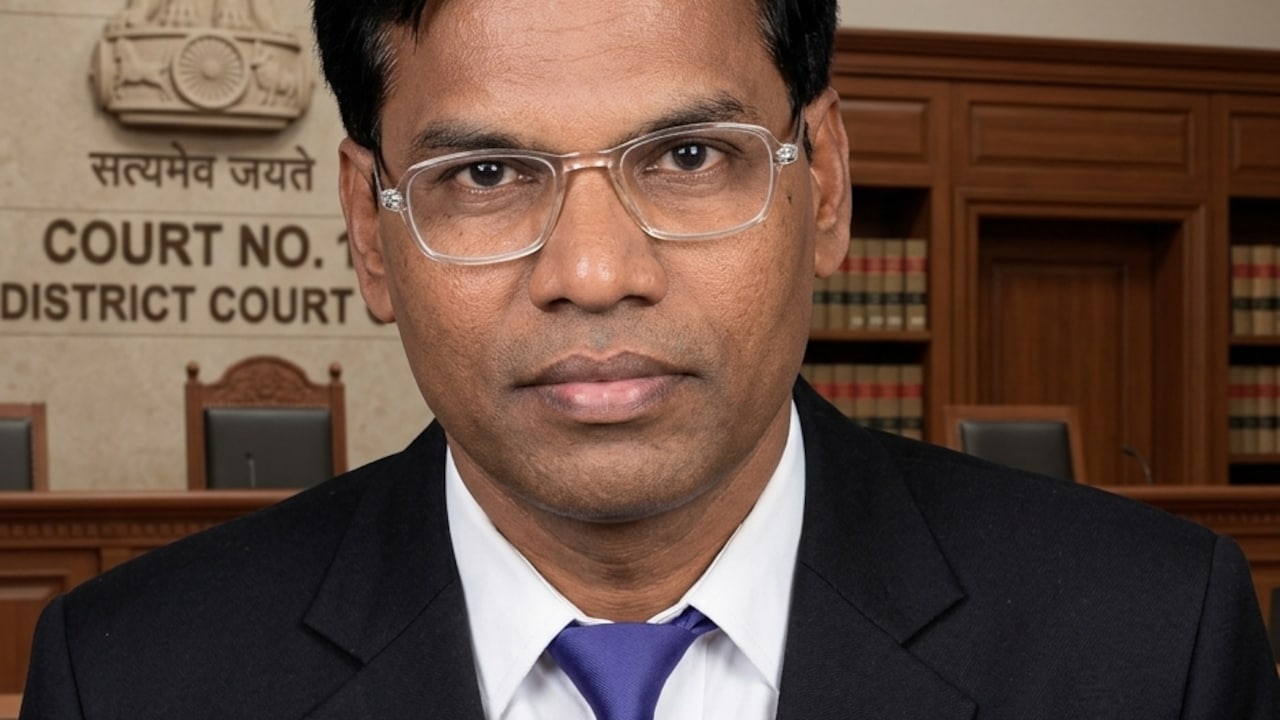
In an administrative move, approximately 100 murder cases pending before Additional District and Sessions Judge Ravikumar Diwakar have been transferred to the court of District and Sessions Judge Virendra Kumar Singh. The transfer comes four months after Judge Diwakar awarded death sentences to 22 people in 10 separate cases.
Government counsel Kuldeep Kumar confirmed the development on Wednesday, stating that the cases involve offences punishable with death or life imprisonment. The transfer was carried out through an administrative order issued on Tuesday, and the cases have been recalled from the fast-track court headed by Diwakar.
District Bar Association president Pramod Tyagi said that lawyers and litigants had expressed apprehensions about the possibility of the court awarding capital punishment in the remaining cases. Citing these concerns, the district judge decided to take over the cases himself.
Such administrative transfers are part of the regular functioning of the judiciary. They are not indicative of any disciplinary action against the judge. The district judge exercises authority to allocate cases based on administrative convenience and to maintain public confidence in the judicial process. Fast-track courts are established to expedite trials, particularly in serious offences, and judges presiding over them are expected to apply the law without fear or favour.
Judge Diwakar's court delivered judgments in 10 cases over the last four months, resulting in 22 death sentences. The Indian legal system reserves the death penalty for the 'rarest of rare' cases, and a judge's decision is subject to appeal and judicial review. The transfer of cases does not alter the merits of any pending matter; it only changes the forum in which they will be heard.
The development has drawn attention to the functioning of fast-track courts in Uttar Pradesh. While such courts are intended to deliver swift justice, the high number of capital punishments in a short span has raised questions among legal observers. However, the judiciary's administrative orders are internal matters, and the district judge has the discretion to assign cases to ensure fair and orderly proceedings.
As per available information, the transferred cases will now be heard by the District and Sessions Judge. No further details about the timeline for these hearings have been provided. The litigants and lawyers involved have been informed of the transfer, and the case records are being moved accordingly.
This administrative action underscores the judiciary's self-regulating mechanism to address perception issues while upholding the rule of law. It also highlights the importance of balancing judicial independence with public confidence. The transfer is not a commentary on the merits of any individual case or the integrity of the judge, but rather a step taken to ensure that proceedings continue in an atmosphere of trust and impartiality.
The National Judicial Policy provides for such transfers as routine procedures, and similar actions have been taken in other jurisdictions when circumstances warrant. The focus remains on delivering justice promptly and fairly, with all statutory and constitutional safeguards intact.







