El Niño set to intensify, WMO warns of extreme heat and erratic rainfall worldwide
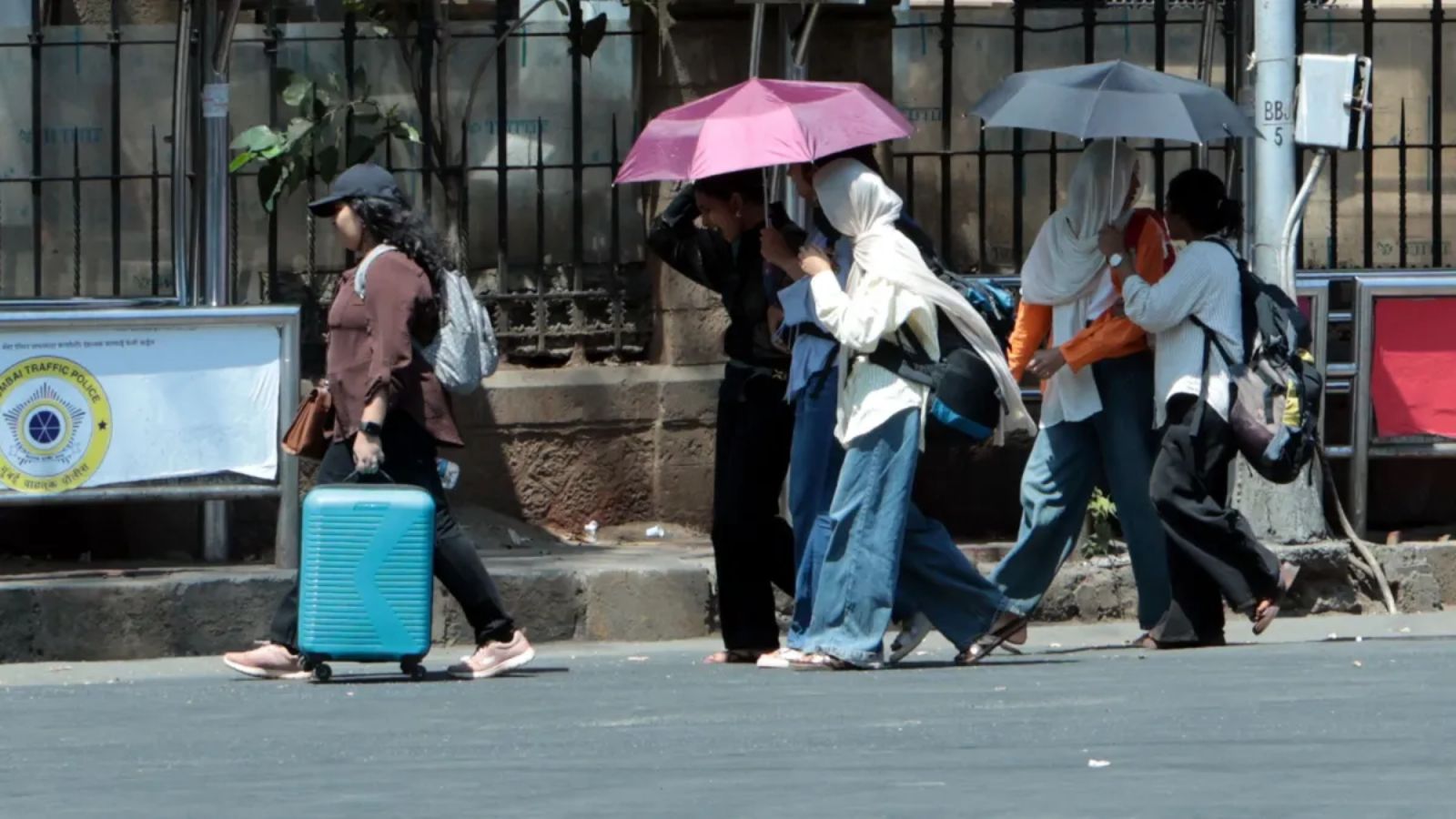
The World Meteorological Organisation (WMO) has issued a warning that the ongoing El Niño event is expected to strengthen in the coming months, leading to above-normal temperatures and significant shifts in rainfall patterns across the globe. The update, released on Friday, highlights that the phenomenon will dominate climate conditions from August to October, with far-reaching consequences for communities and ecosystems.
El Niño is a naturally occurring climate pattern associated with the warming of ocean surface temperatures in the central and eastern tropical Pacific Ocean. It influences weather and climate conditions worldwide, often causing droughts, floods, and other extreme events. The current episode has been monitored by meteorologists since earlier this year, and the latest projections indicate it will intensify further before gradually weakening.
According to the WMO, there is a high probability that El Niño will continue through the second half of 2023. During this period, unusually warm conditions are likely to prevail over all oceans. Additionally, there is a probable development of a positive Indian Ocean Dipole (IOD) – a similar climate phenomenon in the Indian Ocean. When these two drivers act together, they can amplify regional climate impacts, particularly around the Indian Ocean basin, potentially leading to drought, floods, and wildfires in vulnerable areas.
The WMO has emphasised that while El Niño is a natural climate cycle, its effects can be severe, especially for agriculture, water resources, and public health. The organisation urges governments and agencies to prepare for the anticipated extremes, including heatwaves, heavy rainfall, and associated disasters. Early warning systems and proactive planning are critical to minimising the risks.
Climate scientists note that the current El Niño is unfolding against a backdrop of long-term global warming driven by greenhouse gas emissions. While the two phenomena are distinct, their combined influence could amplify the intensity of weather-related impacts. The WMO's update serves as a reminder of the need for robust climate adaptation measures, particularly in developing nations that are often disproportionately affected.
For India, the positive IOD could bring both benefits and challenges. A positive IOD is often associated with a stronger monsoon, which is vital for agriculture. However, excessive rainfall can also lead to flooding and landslides. The Indian Meteorological Department is closely monitoring the situation and has assured the public that timely forecasts will be issued.
The WMO's announcement underscores the interconnectedness of the world's climate systems. As El Niño develops, its influence will be felt across continents, affecting food security, energy demand, and disaster management. The organisation calls for international cooperation and knowledge-sharing to mitigate the impacts and build resilience.
In the coming months, exceptional warmth over ocean surfaces is expected to contribute to marine heatwaves, which can harm coral reefs and fisheries. On land, regions accustomed to dry conditions may face intensifying drought, while others could experience unprecedented rainfall. The WMO's data provides a scientific basis for action, but the ultimate outcome will depend on how well societies prepare and respond.
The public is advised to stay informed through official meteorological sources and to follow local guidance regarding weather alerts. As the situation evolves, further updates from the WMO and national weather agencies will provide more clarity on the specific regional impacts of this powerful climate event.