Delhi's Waste Crisis: Half of Daily Garbage Still Unprocessed Despite Cleanup Efforts
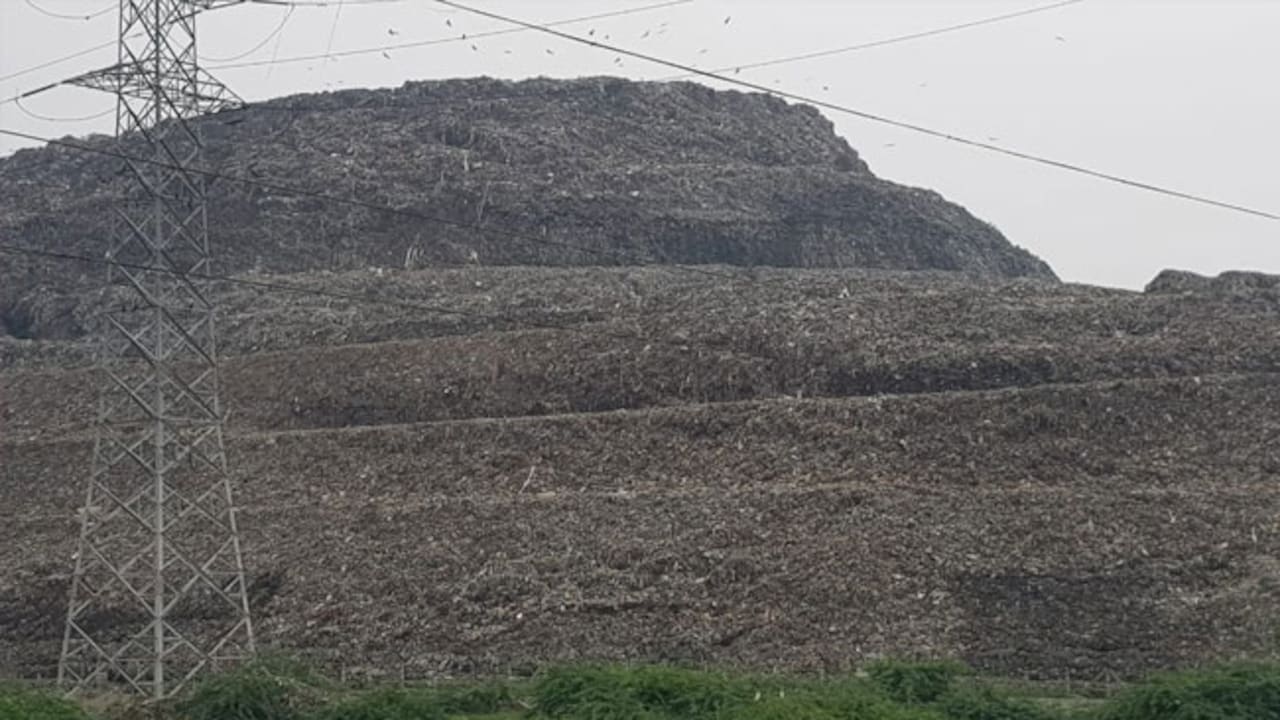
Nearly half of the waste generated in Delhi every day continues to be sent to the city's landfills, even as the Municipal Corporation of Delhi (MCD) works to clear decades-old garbage from these sites. According to figures presented at an MCD review meeting chaired by Lieutenant Governor Taranjit Singh Sandhu on Monday, around 50 per cent of Delhi's waste is not being segregated at source. This raises concerns that fresh garbage could replace the legacy waste being removed from the Ghazipur, Bhalswa and Okhla dumpsites.
Officials have been directed to ensure that daily inbound waste is processed instead of being added to existing piles. The MCD will also need to track whether its daily processing capacity keeps pace with the amount of waste collected across Delhi.
The Lieutenant Governor has instructed officials to examine the feasibility of adopting the Indore waste-management model as a pilot project in one MCD zone. Indore's model relies heavily on household-level segregation, separate collection and transportation, and processing of different categories of garbage. The MCD has not yet identified the zone for the pilot, and no timeline, cost estimate or implementation plan has been announced. The proposed trial comes as Delhi continues to struggle with source segregation despite repeated campaigns and waste-management rules requiring households and commercial establishments to separate wet and dry waste. Without segregation, mixed garbage is harder to recycle or process and is more likely to end up at landfills.
The MCD is currently engaged in biomining and remediation work to reduce the mountains of accumulated garbage at Delhi's three major landfills. However, Mr Sandhu has warned that the landfill-clearing exercise will have limited impact if large quantities of fresh waste continue to arrive daily. Officials have been asked to introduce closer monitoring of waste entering the dumpsites and the quantity processed daily, with a focus on preventing new waste from accumulating while older garbage is being cleared.
The meeting also covered Delhi's monsoon preparedness, including drain cleaning and measures to prevent waterlogging. Officials reviewed steps to control mosquito breeding and reduce the risk of dengue and malaria during the rainy season. Waterlogging has remained a recurring problem in several parts of Delhi during heavy rain, often disrupting traffic and exposing gaps in drain maintenance. Traffic congestion near toll gates and toll-tax collection points was also discussed, along with the implementation of the PM-UDAY scheme for residents of unauthorised colonies.
Additionally, the MCD has been asked to prepare a winter air-pollution action plan focusing on resurfacing damaged roads. Broken roads can add to dust pollution when loose soil and debris are disturbed by traffic. The plan is expected to identify roads requiring repairs before winter, when Delhi's air quality typically worsens. A separate safety audit of MCD-maintained roads has also been ordered to identify dangerous stretches and other infrastructure-related risks.