Delhi Outperforms Mumbai, Bengaluru in 2026 Clean Air Scorecard

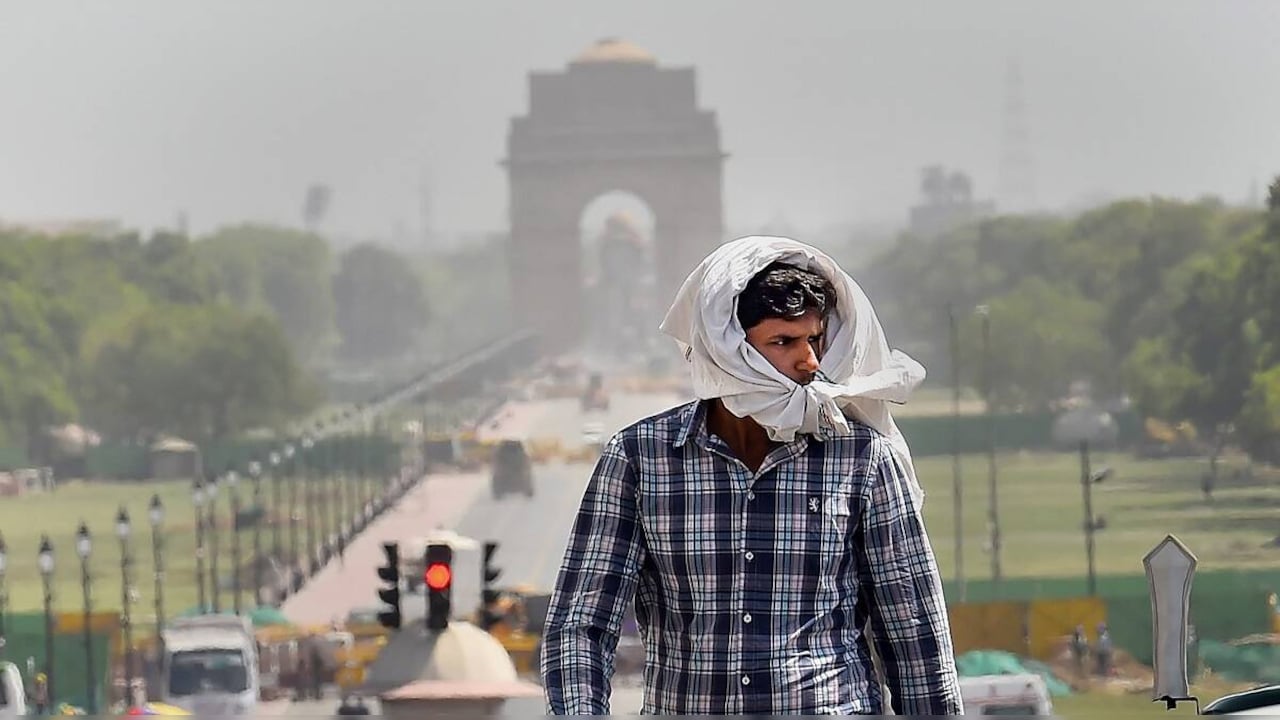
The Swachh Vayu Sarvekshan 2026, the government's fifth annual clean-air assessment, has ranked 130 Indian cities on their efforts to tackle air pollution. The results reveal a notable shift: Delhi, often cited as the country's most polluted city, has scored higher than Mumbai, Bengaluru and Kolkata among its peer group.
The survey, conducted under the National Clean Air Programme (NCAP), does not list cities by their actual air quality or AQI. Instead, it evaluates the steps each city has taken to control pollution and improve air quality on the ground. Parameters include measures to manage road dust, waste burning, construction and demolition waste, vehicles, industries and other sources of emissions. Improvement in PM10 levels and public awareness initiatives are also part of the evaluation.
This year's exercise assessed 130 cities, divided into three categories based on population: 48 cities with more than 10 lakh people, 42 cities with 3 to 10 lakh people, and 40 cities with fewer than 3 lakh people.
Lucknow Tops Among Large Cities
Among the 48 large cities, Lucknow secured the first spot with 198 points out of 200. Indore followed at 197, and Jabalpur at 195. Bhopal and Agra both scored 192, while Surat scored 191. At the lower end, Madurai had the lowest score in this group at 132.1. Kolkata scored 142.2, followed by Kota (146.3) and Jamshedpur (147.3).
Delhi and Visakhapatnam tied at 172 points, securing the 21st position. This placed the national capital ahead of Mumbai, Bengaluru and Kolkata in the ranking of large cities.
Rourkela Leads Mid-Sized Cities
In the category of cities with populations between 3 and 10 lakh, Rourkela in Odisha topped the list with 198.5 points. Firozabad in Uttar Pradesh and Guntur in Andhra Pradesh jointly took the second spot with 195 points each.
Jalandhar in Punjab recorded the lowest score in this group at 124.5. Kalaburagi in Karnataka (138.2) and Gaya in Bihar (140.9) were just above it.
Odisha Towns Dominate Smaller Cities
Among cities with populations below 3 lakh, Kalinga Nagar in Odisha led with 198.5 points. Angul (196.5) and Talcher (193.5), also in Odisha, followed. Eluru in Andhra Pradesh scored 193, and Haldia in West Bengal recorded 190.6.
Byrnihat in Meghalaya had the lowest score in this group at 108.5, followed by Dera Bassi in Punjab (110.5) and Kohima in Nagaland (134.1).
The scores highlight how cities are performing under the NCAP's clean-air framework. A higher score reflects stronger implementation of pollution-control measures and better progress in reducing PM10 levels, not necessarily lower ambient air pollution. The government plans to continue using these rankings to encourage cities to adopt effective strategies for cleaner air.