NITI Aayog Consults Tech Firms on Content Takedown Rules Amid Deregulation Drive
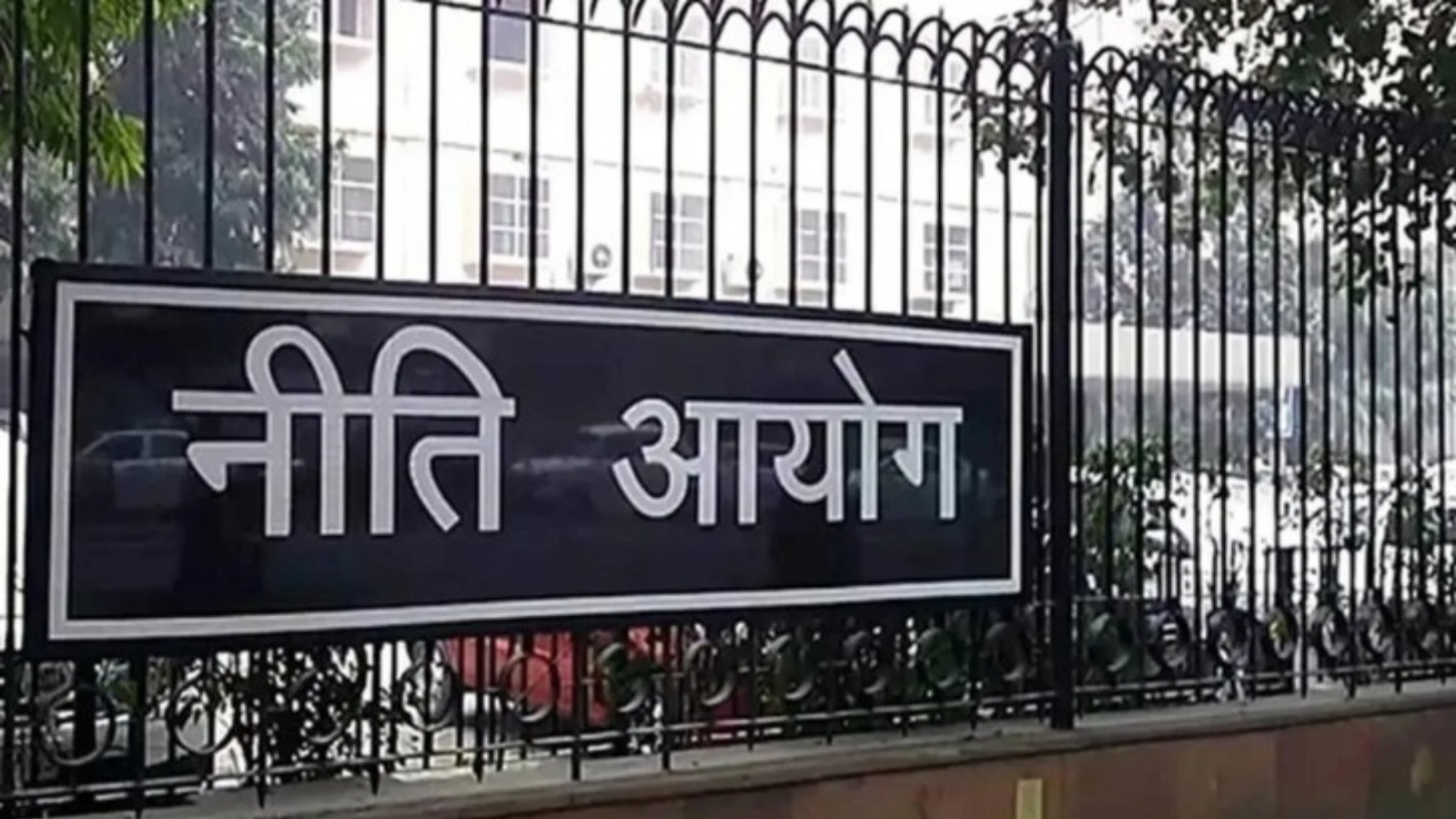
The government think tank NITI Aayog has initiated consultations with major technology companies and startups to review India's online content blocking framework, as part of a broader push to simplify regulations. The Aayog is seeking feedback on whether current requirements for content takedown, grievance redressal, and transparency timelines are operationally feasible, according to sources familiar with the discussions.
At a meeting held on June 25, representatives from industry bodies including Nasscom, the Confederation of Indian Industry (CII), the Internet and Mobile Association of India (IAMAI), and the Broadband India Forum (BIF) participated. These groups represent large American tech firms such as Facebook, Instagram, and YouTube. The Aayog posed questions about compliance burdens and potential simplifications, focusing on due diligence obligations that impose the highest recurring costs on intermediaries.
The consultations are part of the NITI Aayog's 'Jan Vishwas Siddhant' initiative, which aims to create a trust-based regulatory environment. Speaking at the CII Annual Business Summit 2026, NITI member Rajiv Gauba described the effort as clearing the system's 'regulatory cholesterol.' The Aayog plans to compile industry responses and send recommendations to the Ministry of Electronics and Information Technology (MeitY) for further evaluation.
India has significantly increased its content blocking activity in recent years. The Ministry of Information and Broadcasting issued over 24,000 blocking orders in 2025, up from about 12,000 in 2024, as reported by The Indian Express. In February 2025, the government amended the Information Technology (Intermediary Guidelines and Digital Media Ethics Code) Rules, 2021, reducing the timeline for social media platforms to remove problematic content from 24-36 hours to just 2-3 hours. Industry executives have noted that this is the shortest takedown window imposed by any government globally.
Social media giant Meta, which operates Facebook, Instagram, and WhatsApp, has expressed concerns about the shortened timelines. In February, Meta's vice president of policy and deputy chief privacy officer, Rob Sherman, stated that three hours may not be sufficient for platforms to investigate and validate flagged content. The company has previously indicated that compliance could be challenging from an operational standpoint.
The NITI Aayog and the IT Ministry did not respond to queries about the meeting at the time of reporting. The outcome of these consultations could influence potential changes to India's content regulation framework, balancing government objectives with industry feasibility.