🏠 News Empire
environment

Deep depression off Odisha-West Bengal coast to bring extremely heavy rain to Odisha, West Bengal, and beyond, IMD says
Published on: 27 Jul 2026, 08:51 AM
Deep depression off Odisha-West Bengal coast to bring extremely heavy rain to Odisha, West Bengal, and beyond, IMD says

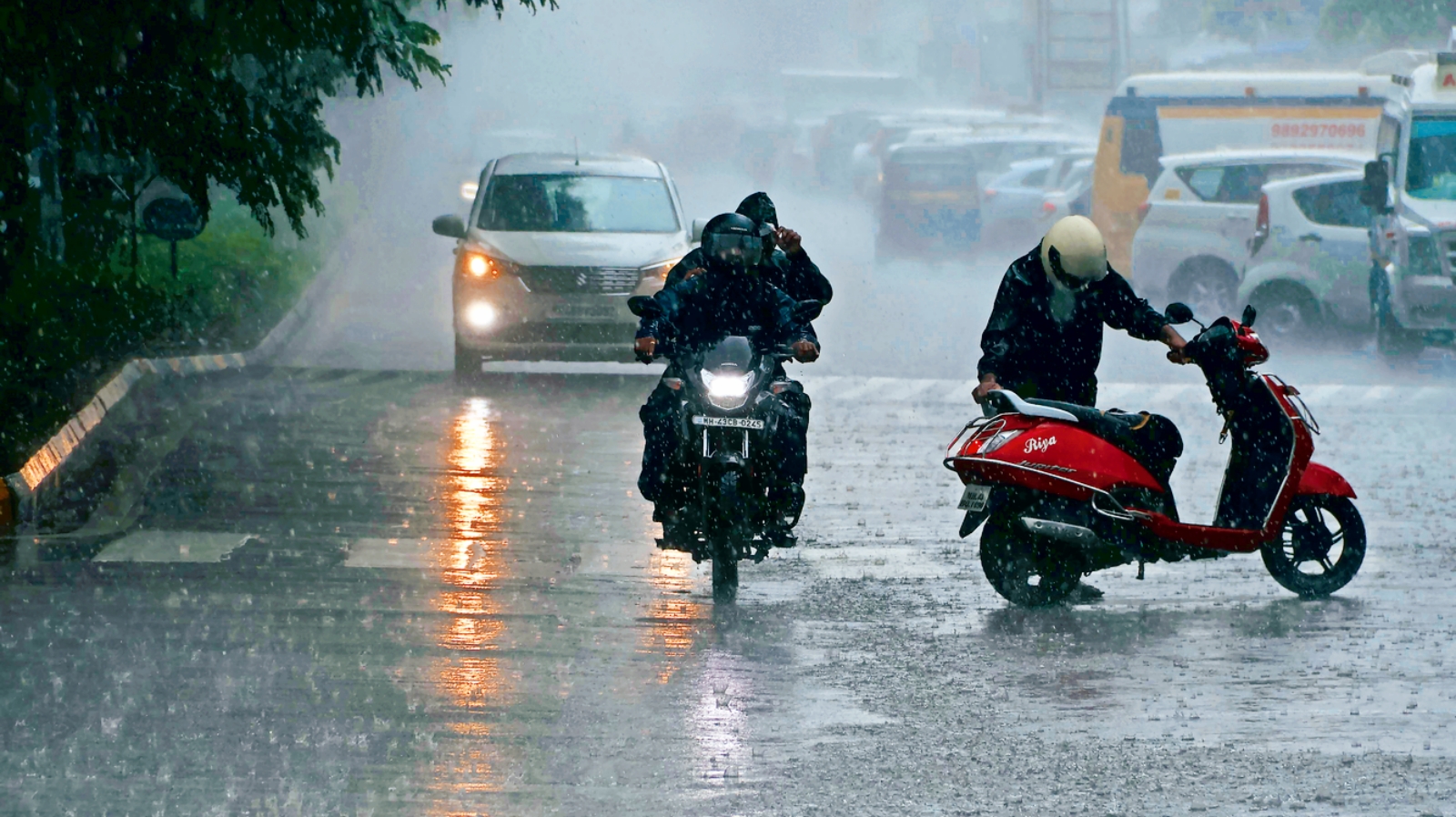
The India Meteorological Department (IMD) has reported that a deep depression has formed off the north Odisha-West Bengal coast. This system is expected to bring extremely heavy rainfall — defined as over 200 mm in 24 hours — to many parts of Odisha on Monday, with heavy rain also forecast for West Bengal on Monday and Tuesday.

The Met office has warned that the wet conditions are likely to persist over Gangetic West Bengal, Jharkhand, Bihar, and Chhattisgarh, as well as eastern and western regions of Madhya Pradesh and Uttar Pradesh, until July 30.

On Sunday, Jagatsinghpur in Odisha recorded 330 mm of rainfall over 24 hours, making it the wettest location in the state. The IMD has warned that similar rainfall amounts are expected on Monday.

Residents in the affected areas are advised to remain cautious and follow official advisories as the depression moves along the coast.


Latest in Environment 10
Kerala unveils ₹1,040-crore action plan to ease human-wildlife conflict in 14 landscapes
environment

Kerala unveils ₹1,040-crore action plan to ease human-wildlife conflict in 14 landscapes

Kerala's Forest Department has presented a ₹1,040-crore landscape-based action plan to tackle human-wildlife conflict, introducing measures like smart fences, drone squads and command centres across 14 landscapes. The plan, which categorises conflict-prone areas and relies on data-driven risk mapping, aims to reduce incidents that have led to over 1,000 deaths in recent years.

The Hindu 02 Sep 2026, 03:42 PM
Read More →
UN Report: Even Best Climate Pledges Would Push Warming Past 1.5°C
environment

UN Report: Even Best Climate Pledges Would Push Warming Past 1.5°C

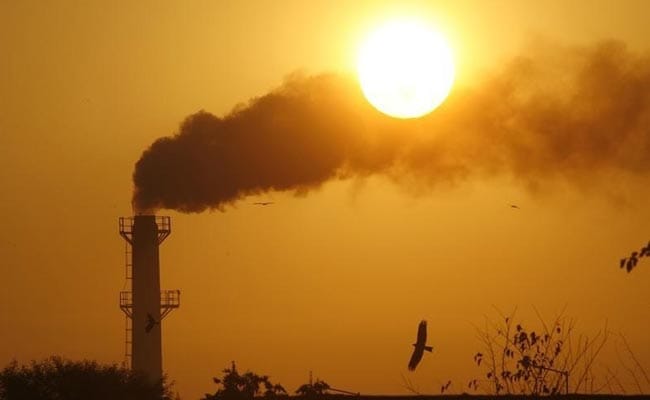
A new UNEP report warns that global temperatures are likely to exceed the 1.5°C Paris Agreement threshold within the next few years, even if all current national climate pledges are met. Peak warming could reach 1.8°C, leading to severe impacts such as glacier loss, sea-level rise, and more extreme weather. The report urges immediate emission cuts and a managed 'overshoot, peak, and decline' pathway.

NDTV 02 Sep 2026, 05:09 AM
Read More →
→ View All Environment News