Clean Air Survey 2026: Indore slips to No.2 behind Lucknow by one point; Mayor announces action

Indore, the Madhya Pradesh commercial capital that has been repeatedly recognised as India's cleanest city under the national sanitation rankings, has slipped to second place in the 2026 Clean Air Survey for cities with a population of over one million. The city scored 197 points out of 200, while Lucknow secured the top spot with 198 points.
In the previous edition of the survey in 2025, Indore had achieved a perfect score of 200. Jabalpur ranked third this year with 195 points, while Bhopal and Agra were tied at the fourth position with 192 points each.
The rankings were announced at the fifth edition of the Swachh Vayu Sarvekshan Awards on September 7, 2026, under the National Clean Air Programme (NCAP). The Union Environment Ministry also recognised Lucknow, as well as Rourkela and Kalinga Nagar in Odisha, as top performers. Cities were evaluated on the basis of the Swachh Vayu Survekshan Framework released in 2022-23, which specifies measures to control road dust, vehicular emissions, industrial discharge and other sources of air pollution. The key parameters of the survey include measures taken by urban local bodies to reduce PM10 levels.
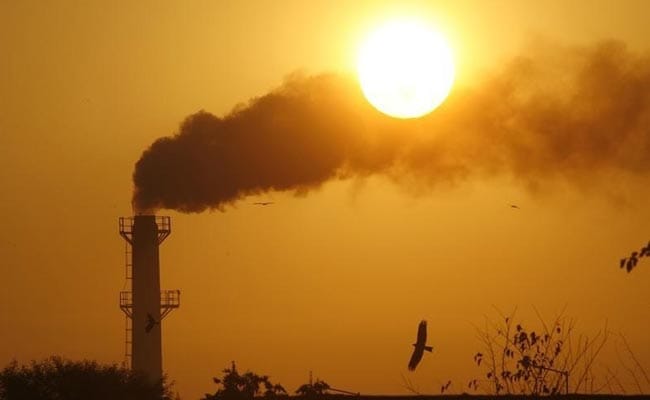
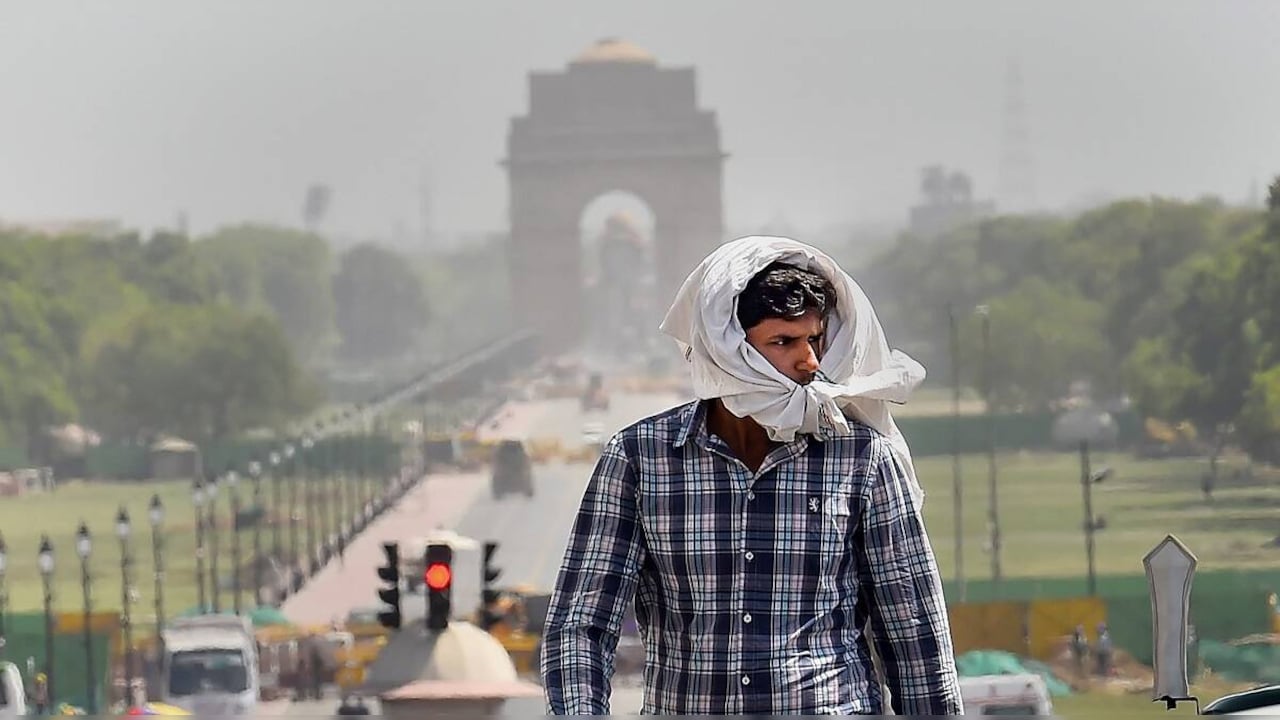
Indore Mayor Pushyamitra Bhargava told PTI on September 8 that the city lost a point to Lucknow because it lagged in meeting standards for PM10, or particulate matter of 10 micrometres or less. PM10 particles, which are generated by vehicle exhaust, road dust and industrial emissions, are small enough to enter the human respiratory system and can cause health problems.
Indore has the highest vehicle density among cities in Madhya Pradesh. Bhargava said the civic administration would intensify its year-long campaign to bring down pollution from traffic and industry. His list of measures includes expanding the 'Red Light On, Engine Off' initiative at traffic signals, accelerating the adoption of electric vehicles, and running more e-buses in the city.
The Mayor also assured that door-to-door garbage collection vehicles would be converted to electric models over time, and that factories would be encouraged to shift from diesel to cleaner fuel such as compressed natural gas (CNG).
Municipal officials said the one-point gap does not undermine Indore's overall air quality performance. According to Indore Municipal Corporation data, PM10 levels in the city have dropped by more than 15% compared with previous years, with the annual average this year at about 81 micrograms per cubic metre. The National Ambient Air Quality Standards prescribe 60 micrograms per cubic metre as the acceptable annual average for PM10.
The same data showed that on more than 98% of the days during the evaluation period, the Air Quality Index (AQI) remained below 200. The AQI scale ranges from 0 to 500, with 0–50 considered 'Good', 51–100 'Satisfactory', 101–200 'Moderate', 201–300 'Poor', 301–400 'Very Poor' and 401–500 'Severe'.
To prevent dust, the corporation has said it is machine-sweeping close to 700 kilometres of city roads each day, and has set up processes for the disposal of construction waste. Indore has topped the National Sanitation Survey, a separate city-ranking exercise conducted by the central government, eight times in succession.