China's New Ethnic Law Sparks Debate Over Extraterritorial Reach
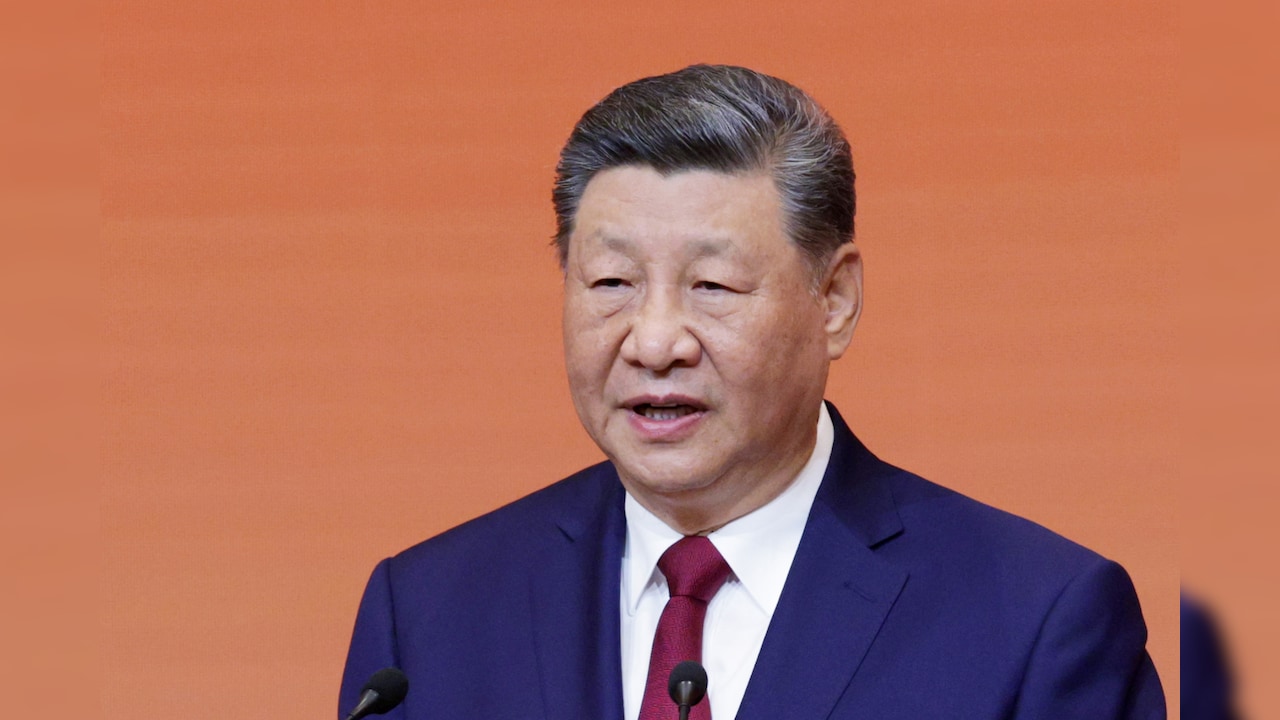
China's National People's Congress passed the Ethnic Unity and Progress Law on March 12, legally codifying efforts to promote a unified "Chinese nation" under President Xi Jinping's leadership. The law encourages Mandarin as the common language and emphasises the integration of the country's 56 officially recognised ethnic groups. While Beijing frames the legislation as a step toward national cohesion and development, several provisions have drawn scrutiny from human rights organisations and foreign governments.
The law includes a clause allowing authorities to hold foreign organisations and individuals accountable for actions that "undermine ethnic unity and progress or create ethnic division." Critics, including Human Rights Watch, argue that the wording is vague and could be used to target peaceful advocacy, journalism, or academic research conducted outside China. This has raised concerns about transnational repression, where Beijing may seek to silence critics beyond its borders. Uyghur, Tibetan, and Mongolian exile groups have reported cases of intimidation, surveillance, and pressure on family members inside China, and they fear the new law could legitimise such practices.
Chinese officials, however, maintain that the law is primarily focused on domestic unity and economic development in minority regions. They reject accusations of overreach, stating that outside critics ignore improvements in living standards and infrastructure. Beijing has also emphasised that the law respects international law and does not interfere in other nations' affairs. Several countries, including the United States, Germany, and Australia, have previously investigated Chinese-operated "overseas police service stations," which Beijing says are aimed at providing consular services to its diaspora.
The legislation adds a legal dimension to ongoing diplomatic tensions between China and nations that accuse it of meddling. A coalition of exile organisations has appealed to European lawmakers to condemn the law, fearing it will embolden persecution of overseas communities. For many who left China seeking freedom of expression, the message is clear: distance does not guarantee protection from state actions aimed at suppressing dissent.