BrahMos Deal with Vietnam Signed, Indonesia Pact Final: Defence Secretary
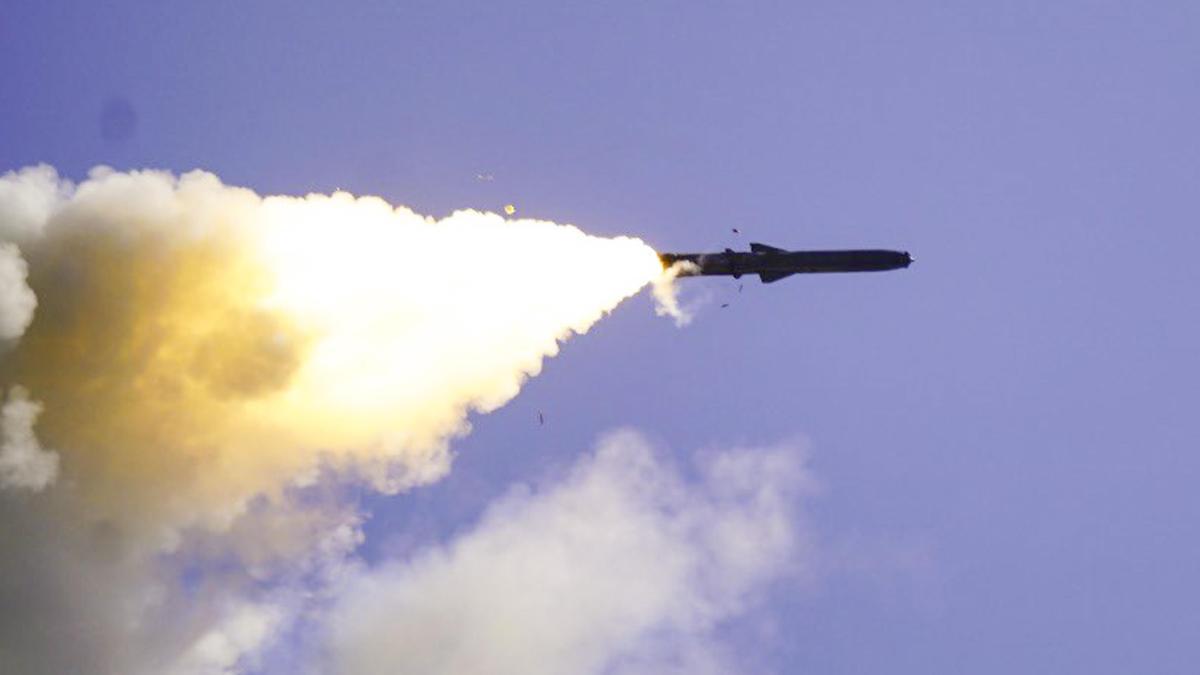
Defence Secretary Rajesh Kumar Singh confirmed on May 30, 2026, that a BrahMos missile deal with Vietnam has been signed, while a similar agreement with Indonesia is in its final stages. Singh made the announcement at the Shangri-La Dialogue in Singapore, responding to queries about potential buyers of the missile system.
“My understanding is that with both Indonesia and with Vietnam, the deal is in the final stages. In fact, for Vietnam, I understand that it has already been signed, probably not publicly announced,” Singh said. This marks the first official word on the Vietnam deal, which was previously reported by news outlets earlier this month.
The Philippines became the first foreign buyer of the BrahMos system in 2022 with a contract worth nearly $375 million. Indonesia had already stated in March that it had agreed to procure the missiles. The financial details of the Vietnam and Indonesia deals have not been officially disclosed.
Singh emphasized that India shares advanced defence technologies only with trusted partners. “Obviously you share technology with people you trust,” he said, adding that India views all ASEAN member states as “friendly foreign countries.” ASEAN comprises 11 nations, including Brunei, Cambodia, Indonesia, Laos, Malaysia, Myanmar, the Philippines, Singapore, Thailand, Timor-Leste, and Vietnam.
The BrahMos exports come amid overlapping maritime claims in the South China Sea between China and several ASEAN members, including the Philippines and Vietnam. India’s deepening defence ties with Southeast Asian nations have drawn attention as New Delhi seeks to expand its strategic footprint in the region.
Speaking about the evolving global security landscape, Singh highlighted geopolitical uncertainty, conflicts in Europe and West Asia, maritime trade disruptions, and technological changes. “Defence preparedness cannot depend upon fragile or overly concentrated supply chains,” he said. “Nations today require resilient, trusted, diversified, and technologically adaptive defence industrial ecosystems.”
For India, resilience means self-reliance combined with building trusted partnerships, diversified manufacturing, and secure supply chains. Singh outlined reforms in defence production over the past decade, including greater private-sector participation, support for startups, and expanded global collaboration. Government-owned companies currently account for about 72% of India’s defence production, he noted.
India is not only modernising its armed forces but also emerging as a dependable defence manufacturing and maintenance hub, Singh concluded.







