Astronomers Discover Third Planet in Beta Pictoris System Using James Webb Space Telescope
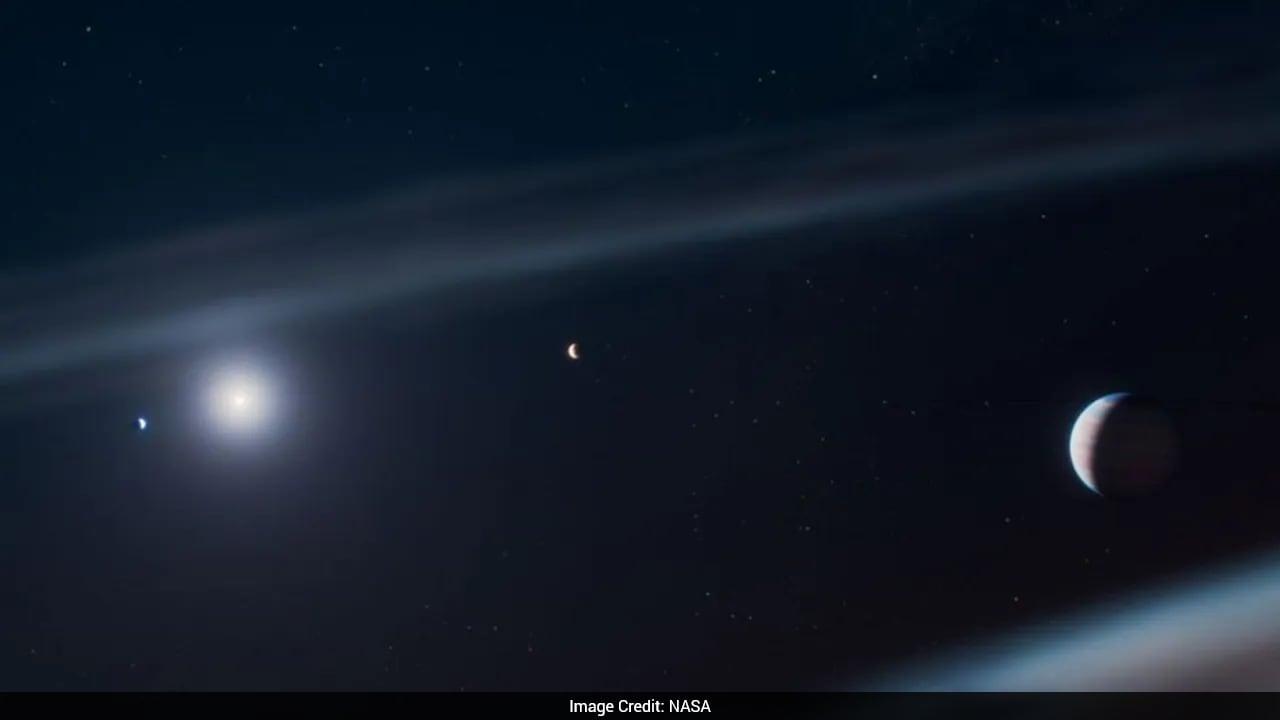
Astronomers have discovered a new giant planet in the nearby Beta Pictoris star system using NASA's James Webb Space Telescope. The finding was unexpected, as researchers were studying another known planet in the system. The discovery was announced by NASA and published in the Astrophysical Journal Letters.
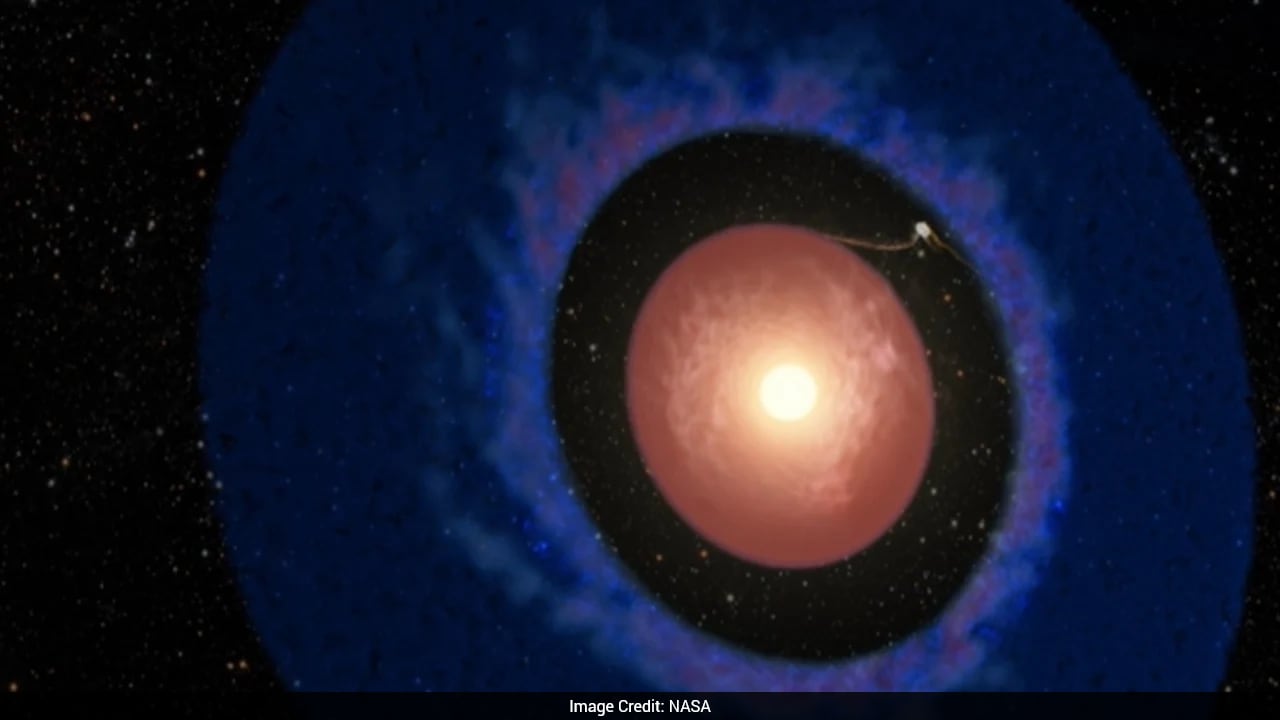
The newly identified planet, designated Beta Pictoris d, is an exoplanet located 63 light-years from Earth. The young star Beta Pictoris, about 23 million years old, was already known to host two giant planets: Beta Pictoris b and c. Beta Pictoris b was one of the first exoplanets ever directly imaged.
With the addition of Beta Pictoris d, this system becomes only the second known planetary system with at least three directly imaged exoplanets. Unlike its siblings, the new planet was not discovered by spotting a bright point of light. Instead, scientists detected its presence through the unique chemical fingerprint of its atmosphere—a method that may transform how exoplanets are identified.
Lead author Aidan Gibbs, a postdoctoral researcher at the University of California, San Diego, said the discovery adds another piece to an already fascinating planetary system. "Beta Pictoris has long served as a laboratory for understanding how planetary systems form and evolve," he said. "Now another planet is helping scientists tell that story."
Beta Pictoris d is estimated to be at least two times the mass of Jupiter, making it the smallest of the three known giant planets in the system. Models suggest it orbits its star at about 30 astronomical units (AU), similar to the distance where Neptune orbits in our solar system. It has the widest orbit among the three planets but remains inside the inner edge of the system's debris disk.
The discovery occurred while the team was using Webb's Near-Infrared Spectrograph (NIRSpec) to study the atmosphere of Beta Pictoris b. The spectroscopic data showed a series of peaks and troughs where a smooth spectrum from dust was expected. The distinctive pattern of carbon monoxide absorption lines is a signature of a giant planet's atmosphere.
By analysing the planet's motion through spectroscopy, researchers determined that its speed, position, and alignment with the debris disk matched an object orbiting Beta Pictoris, ruling out a background star or a brown dwarf containing carbon monoxide.
Follow-up observations using Webb's Mid-Infrared Instrument (MIRI) detected water vapour and methane, further confirming the planet's identity and providing a more detailed view of its atmosphere. A separate imaging study led by Ben Sutlieff of the University of Edinburgh and Markus Bonse of the European Southern Observatory independently confirmed the existence of Beta Pictoris d using data from the Very Large Telescope and Webb's Near-Infrared Camera (NIRCam).
This detection highlights the ability of the James Webb Space Telescope to uncover planets that are not visible through direct imaging, opening new avenues for discovering exoplanets around other stars.