Assam Floods: 800 Metres of Railway Track Washed Away, Restoration to Take 3 More Weeks
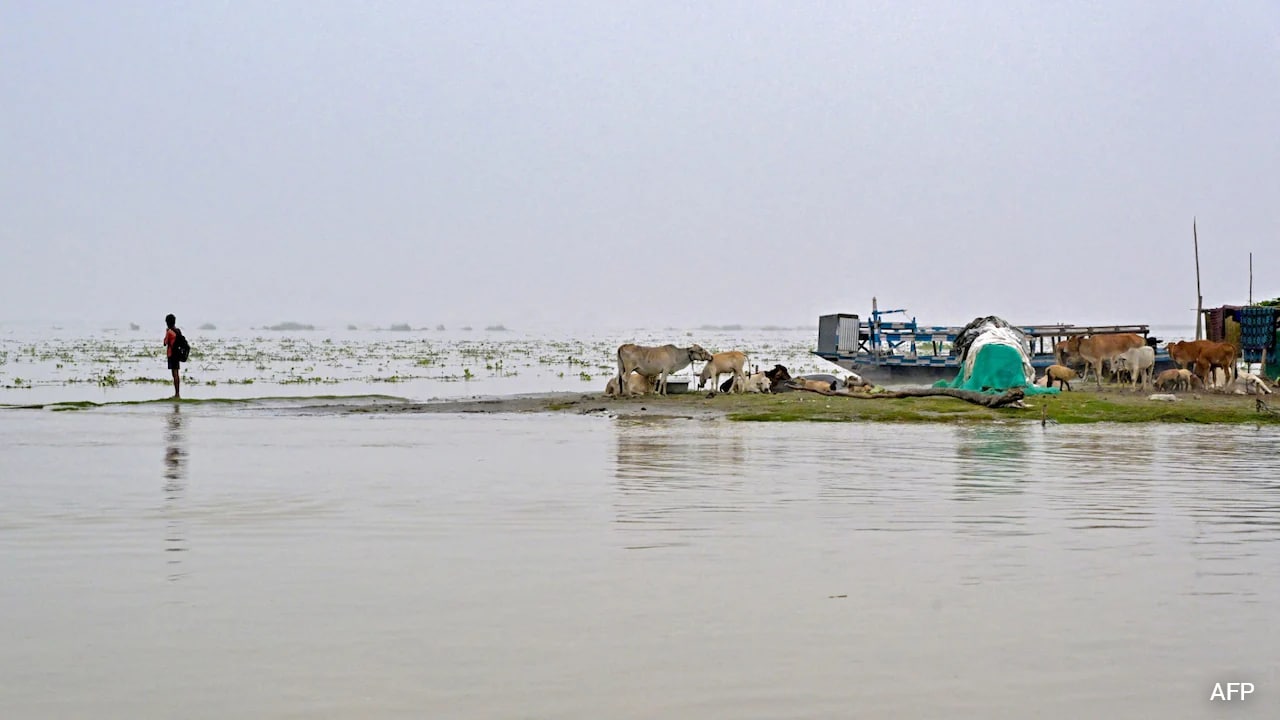
The severe floods that have ravaged eastern Assam have caused extensive damage to railway infrastructure, disrupting train services across three districts. The inundation, which began on 19 July, washed away approximately 800 metres of railway track in the Tinsukia division of the North East Frontier Railway, affecting Sivasagar, Charaideo and Jorhat.
According to railway officials, the sudden overflow of the Dikhow and Diraka rivers at around 9:45 p.m. on 19 July swept across the railway line, damaging the track and cutting off connectivity. The affected section lies between Simulguri Junction and Lakwa Station in Charaideo district, where the track was completely washed away. The scale of the damage has forced the suspension of train services in the region, leaving passengers and freight movement disrupted.
Restoration work is currently underway at multiple sites. Railway engineers and workers have deployed heavy machinery and manpower to rebuild the embankment, realign the rails, and restore the ballast that supports the track. One such restoration site is located in Sivasagar district, where teams are working round-the-clock under the supervision of senior divisional authorities. In Charaideo, work is progressing on the washed-away section between Simulguri Junction and Lakwa Station, with efforts focused on reconstructing the track bed and reinstalling the rails.
Officials said the damage is extensive and that safety inspections and technical checks will be required before trains can operate again. As per the current estimate, it will take at least three weeks for the damaged tracks to be fully restored. Local residents, who depend on the railway for connectivity and transport, have expressed hope that services will resume soon. However, railway authorities have cautioned that restoration must be completed to the highest safety standards before operations can restart.
The floods have also had a devastating impact on the civilian population in the affected villages, including Lonpuriya, Bhotorbari, Darikiyal, Gomotha and Abhayapuriya. Many families have lost their homes, property, and in some cases, loved ones. The full extent of the damage is still being assessed by district authorities, who are coordinating relief and rehabilitation efforts.
This incident has highlighted the vulnerability of infrastructure in flood-prone regions. Experts have called for climate-resilient design in railway construction, including better drainage systems and elevated tracks, as well as improved early warning mechanisms to mitigate such disasters in the future. The Tinsukia division is a key artery for both passenger and freight traffic in upper Assam, and its prolonged disruption has economic implications for the region.
Railway authorities have assured the public that all necessary resources are being utilised to expedite the repairs, while keeping safety as the foremost concern. Further updates on the resumption of services will be shared as the restoration work progresses and inspections are completed.