Assam Floods: 58 Dead, 7 Lakh Affected as Unprecedented Waters Devastate Region
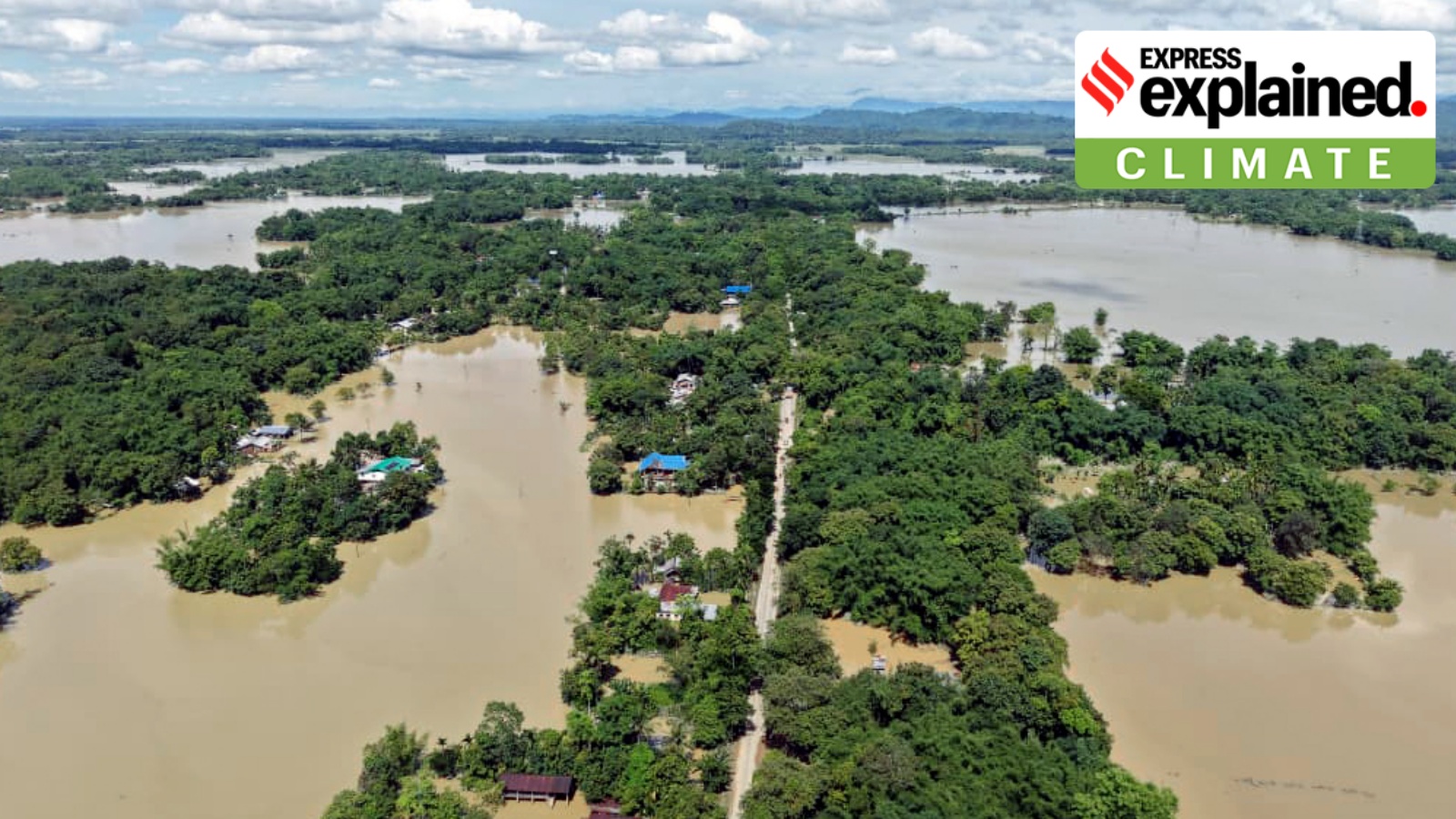
At least 58 people have died and over seven lakh have been affected in Assam as the state experiences severe flooding, with the full extent of the destruction still unfolding. The three most affected districts—Sivasagar, Charaideo, and Jorhat—have seen waters rise to levels residents say they have never witnessed before.
As of Sunday, July 19, floodwaters had spread across 856 villages in 12 districts, inundating entire villages, agricultural land, and major towns such as Sivasagar. The Assam State Disaster Management Authority has recorded 58 deaths, including six children, and officials caution that the toll is likely to rise as assessments continue.
More than 1.15 lakh people have taken shelter in relief camps, while 4,455 have been evacuated by the NDRF, Army, SDRF, and local authorities using boats. However, Chief Minister Himanta Biswa Sarma stated on Friday that the government has yet to reach about 30% of areas in Nazira Assembly constituency and 20% in Sivasagar constituency due to thick layers of sediment left by receding floodwaters, making access difficult by foot or vehicle.
The Brahmaputra tributaries—Dikhow, Disang, and Dhansiri—have been flowing well above danger levels, with the Dikhow at Sivasagar, Disang at Nanglamoraghat, and Dhansiri at Numaligarh all experiencing severe flood conditions.
Initial government statements attributed the flooding to a cloudburst in Nagaland's Mon district on July 19. However, a scientist at the Meteorological Centre Kohima clarified that the area received 137 mm of rainfall over eight to nine hours, not the 100 mm within one hour that defines a cloudburst. This heavy rain did trigger landslides in Mon, killing nine people.
Chief Minister Sarma noted that rainfall on July 18 and 19 in Nagaland's Wokha, Mokokchung, and Mon districts, and Assam's Charaideo district, was 436% above normal in Charaideo and 493% above in Mokokchung. The rapid rise in water levels, he said, was unprecedented and complicated relief efforts, as the already swollen Brahmaputra hindered drainage of tributaries.
Experts agree that climate change is increasing the frequency of high-intensity rainfall events—over 50 mm or 100 mm in a day—which cause damage and flooding. Such events are expected to become more common in the coming years.