West Bengal Egg Removal From Midday Meals Sparks Debate; Tamil Nadu's Century-Old Programme Offers Lesson
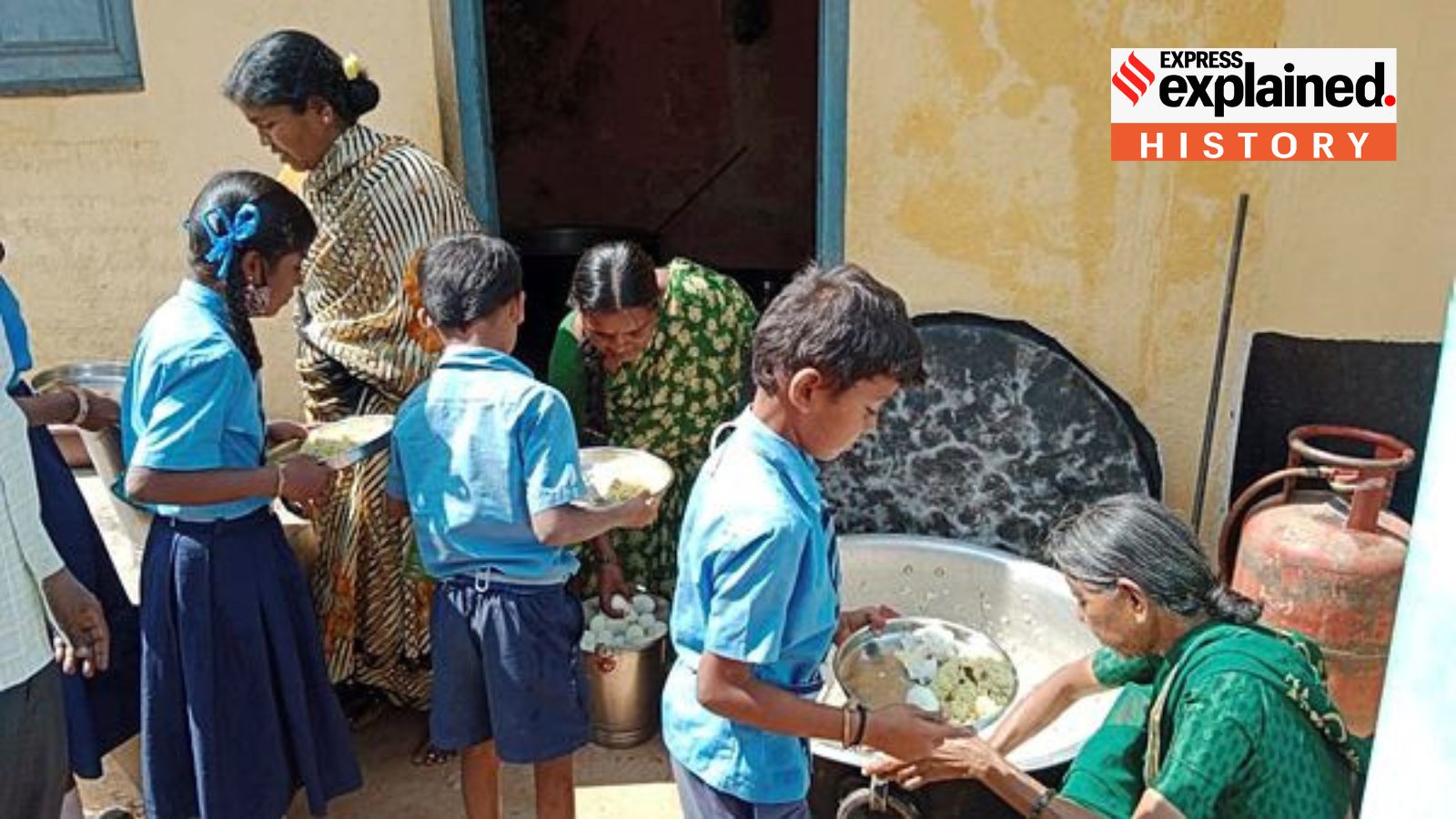
The West Bengal government's announcement to remove eggs from the midday meal scheme has ignited a political debate over school nutrition. Opposition parties accuse the ruling BJP of imposing vegetarianism, while the BJP defends the move as a nutritional and hygiene-focused reform in partnership with ISKCON.
The controversy has drawn comparisons with Tamil Nadu, which pioneered the midday meal concept in India under the Madras Presidency and has included eggs in its programme for decades. However, the comparison goes beyond eggs, highlighting a century-long evolution of school meal policies aimed at improving attendance and child welfare.
The origins of the midday meal in Tamil Nadu trace back to 1920, when the Justice Party-led Madras Corporation introduced a publicly funded meal scheme at the Cochrane Basin Corporation School in Thousand Lights, Madras city. The initiative aimed to attract and retain impoverished children in schools by offsetting the loss of their earnings. P. Theagaraya Chetty, president of the Madras Corporation Council, recommended the scheme, which was implemented by Chief Minister A. Subbarayalu Reddiar. The daily cost per child was capped at one anna.
The scheme quickly proved effective. By 1926, schools serving meals reported attendance of about 90%, according to historian Catriona Ellis. When the scheme was briefly suspended in 1927, attendance reportedly dropped by 50%. Councillors defended the meals as essential for advancing education, even during budget cuts.
By 1930, the Madras Corporation declared: “If you cannot feed the body of a child, you cannot feed the brain.” School meals became part of a broader vision linking nutrition, hygiene, and child development. Education authorities treated children's health as central to learning, influencing policy for decades.
In 1956, Chief Minister K. Kamaraj expanded the programme, building on earlier experiments. Today, Tamil Nadu's midday meal scheme serves millions of children, including eggs, reflecting a sustained commitment to nutritional support for schoolchildren.
The West Bengal decision, in contrast, has raised questions about the role of dietary preferences in public policy. While the government cites nutritional reform, critics argue that removing eggs could deprive children of essential protein. The debate underscores the ongoing challenge of balancing cultural sensitivities with nutritional needs in school feeding programmes across India.