Tamil Nadu to review 7.5% medical quota for govt school students, may raise to 10%

The Tamil Nadu government will explore increasing the existing 7.5% horizontal reservation for NEET-qualified State government school students in medical admissions, Health Minister K.G. Arunraj said on Monday (August 10, 2026).
Responding to a question on whether the quota would be raised to 10% as recommended earlier by a commission headed by Justice P. Kalaiyarasan, Mr. Arunraj told journalists in Chennai that the government would review the matter on Monday and constitute another committee headed by a judge.
In 2020, the then AIADMK government set up the commission to analyse why fewer government school students were getting admission to MBBS and to suggest remedial measures. The commission had recommended that 10% of seats be set apart on a preferential basis for students who studied in government schools and had qualified the National Eligibility cum Entrance Test. It also recommended that the State government review the reservation after five years from implementation.
On a separate issue, the Minister said complaints had been received that about 20 students who applied for MBBS/BDS were not included in the merit list, scheduled to be released later on August 10, 2026, for want of a residential certificate. He said the residential certificate requirement was introduced after past complaints that students from other States were securing admissions in Tamil Nadu, following an order of the Madras High Court.
“As an alternative, we are also accepting bona fide certificates if a student has studied from Classes VI to XII in Tamil Nadu. After the issue about nearly 20 students being left out for not submitting residential certificates came to light, we immediately asked officials to verify their details, and if found eligible, include their names in the merit list,” he said.
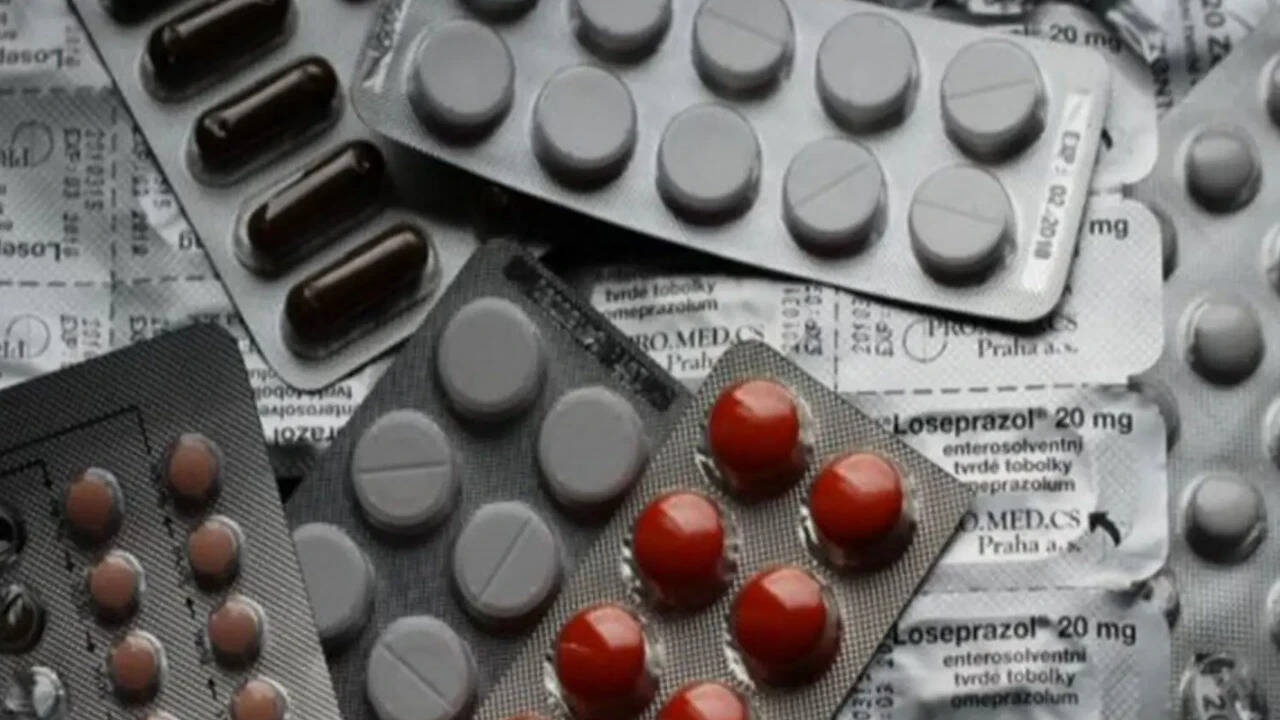
The Minister also launched the distribution of deworming tablets on National Deworming Day. He said surveys show that nearly 57% of children aged six months to 59 months and 53% of girls and women aged 15 to 49 years were anaemic. Intestinal worm infections can cause anaemia, affecting daily life and impairing learning, concentration, and memory in children. In pregnant women, anaemia is a major cause of low birth weight in newborns. Hence, albendazole tablets are administered twice a year under the deworming programme.
Intestinal worm infestation has reduced from 85% to 72% in the State, and should be reduced further, he said. He added that apart from children and young women, every adult should take deworming tablets twice a year.
Health Secretary Darez Ahamed was present on the occasion.