US Supreme Court allows states to ban transgender girls from school sports
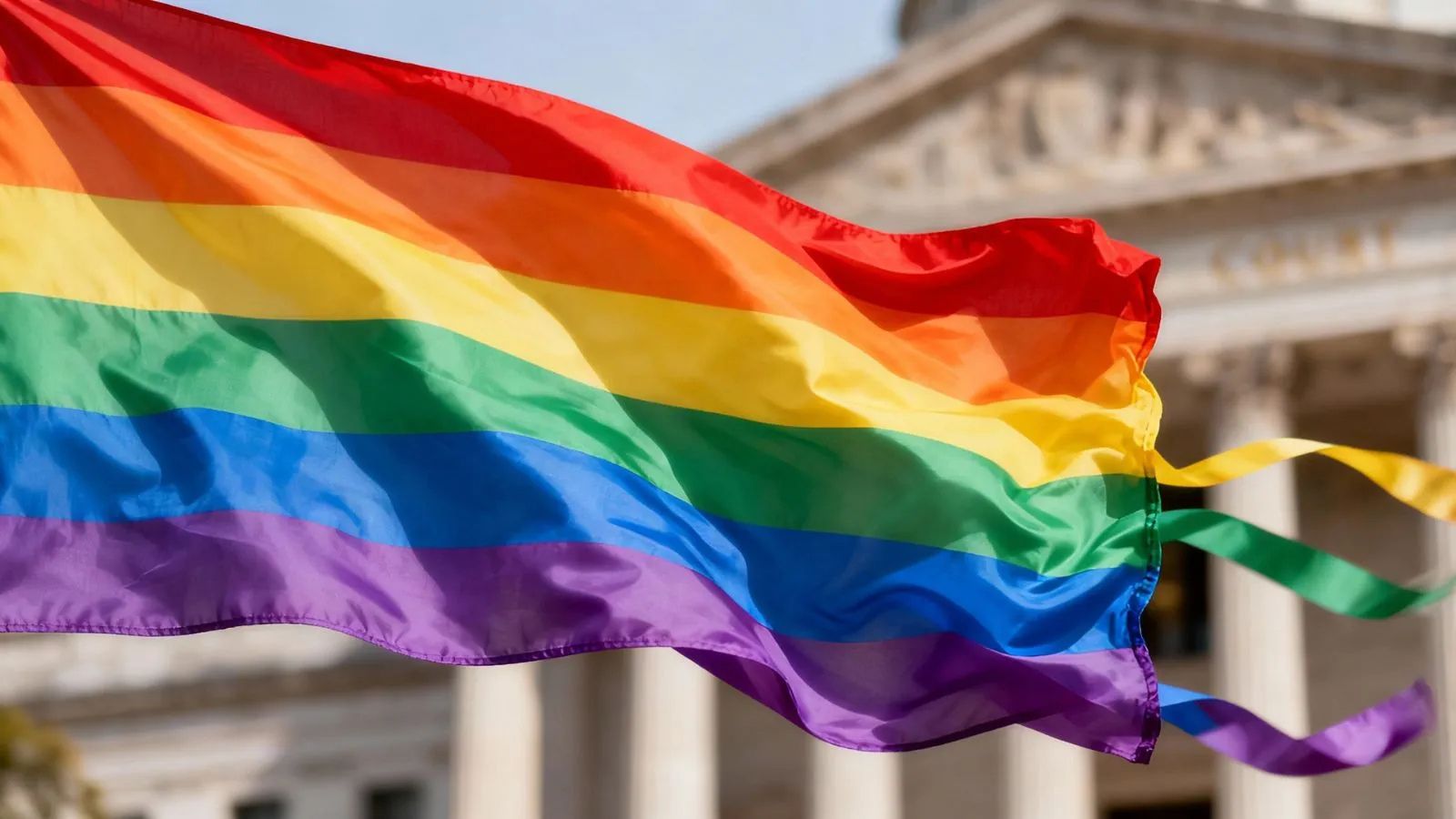
The United States Supreme Court has permitted states to enforce bans on transgender girls participating in female school sports, in a procedural ruling that allows the law to take effect while legal challenges continue. The decision, issued on [date], did not address the constitutionality of such bans but lifted a lower court's injunction, meaning the restrictions can now be implemented.
The case stems from Idaho's Fairness in Women's Sports Act, which prohibits transgender girls and women from competing on female sports teams in schools. Similar laws have been passed in several other states, including West Virginia and Florida. Opponents argue that the laws discriminate against transgender students in violation of Title IX, the federal law that prohibits sex-based discrimination in education. Supporters maintain that the bans are necessary to ensure fair competition for cisgender female athletes.
The Supreme Court's action is a temporary measure, pending a full appeal. The justices did not offer reasons, which is typical for emergency applications. The ruling allows Idaho to enforce its ban immediately, but the legal battle over the law's constitutionality is likely to continue in lower courts.
This decision has significant implications for transgender students across the country. At least 20 states have enacted similar legislation, though several are blocked by court orders. The Supreme Court's ruling could embolden other states to implement or defend such bans. Meanwhile, civil rights groups have condemned the decision, pledging to continue fighting for the rights of transgender athletes.
The case highlights the ongoing national debate over transgender participation in sports, reflecting broader cultural and political divisions. The Biden administration has opposed such bans, arguing they violate federal law. However, the Supreme Court, with its conservative majority, has shown willingness to allow states to restrict transgender rights in certain contexts.
As the legal process unfolds, school districts and athletic associations must navigate a patchwork of state laws. The ruling does not set a binding precedent nationwide, but it signals that the Supreme Court may be open to upholding such bans if they come before it for a full hearing. For now, transgender girls in Idaho and potentially other states will be barred from competing on female teams, a development that will impact their athletic participation and, advocates say, their mental health and well-being.
This report is based on court documents and official statements from the parties involved.







