US Strikes Iran for 11th Consecutive Night as Diplomacy Stalls
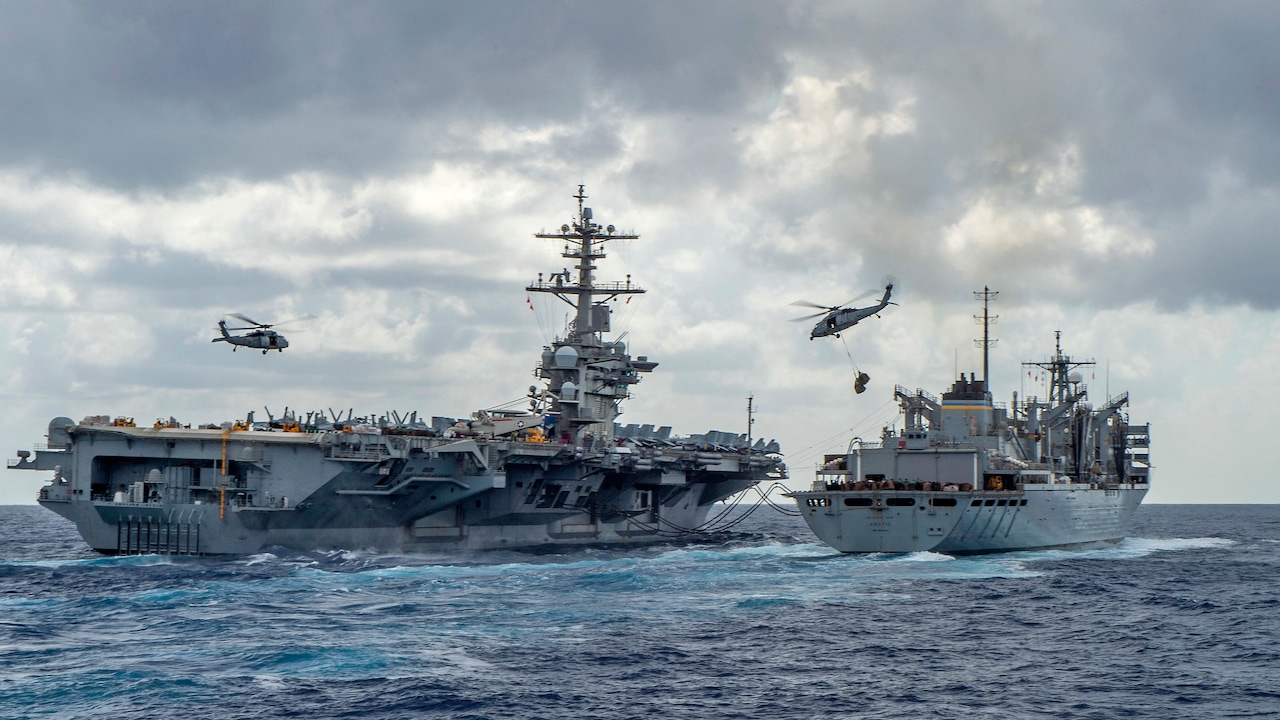
The United States military carried out its 11th consecutive night of airstrikes on Iran early Wednesday, escalating a conflict that has disrupted global energy supplies and overshadowed diplomatic efforts in Pakistan.
US Central Command did not immediately disclose the targets hit in the latest wave. The strikes follow President Donald Trump's indication that attacks would intensify. Before the new barrage, Iranian Interior Minister Eskandar Momeni visited Pakistan, a key mediator seeking to revive diplomatic talks. However, no clear path to a ceasefire emerged as the war has increasingly focused on control of the Strait of Hormuz, a vital waterway for global oil shipments.
Speaking from the Oval Office on Tuesday, Trump gave a dim view on negotiations, stating the US had 'no interest in meeting.' He suggested that US forces could soon target areas near one of Iran's main uranium enrichment sites.
With negotiations largely stalled and shipping through the Strait of Hormuz severely disrupted, both sides have targeted civilian infrastructure relied upon by millions. The US strikes have not dislodged Iran's grip on the strait, through which about one-fifth of the world's crude oil and natural gas flowed before the war.
On Tuesday, the US continued its airstrikes on Iran, while Iran attacked a tanker in the strait, forcing the crew to abandon ship. Iran also struck US allies in the region, with sirens warning of incoming projectiles in Bahrain and Kuwait.
The escalation pushed energy prices higher. International crude oil traded above $91 a barrel, and regular gasoline in the US averaged $4 a gallon. With US midterm elections approaching, polls show the war is unpopular among Americans, who face higher fuel costs and see new casualties after weeks of perceived de-escalation.
The number of wounded US personnel has exceeded 500 troops, according to a US official speaking on condition of anonymity. The official said the Pentagon's official tally of 482 wounded is outdated due to a lag in reporting.
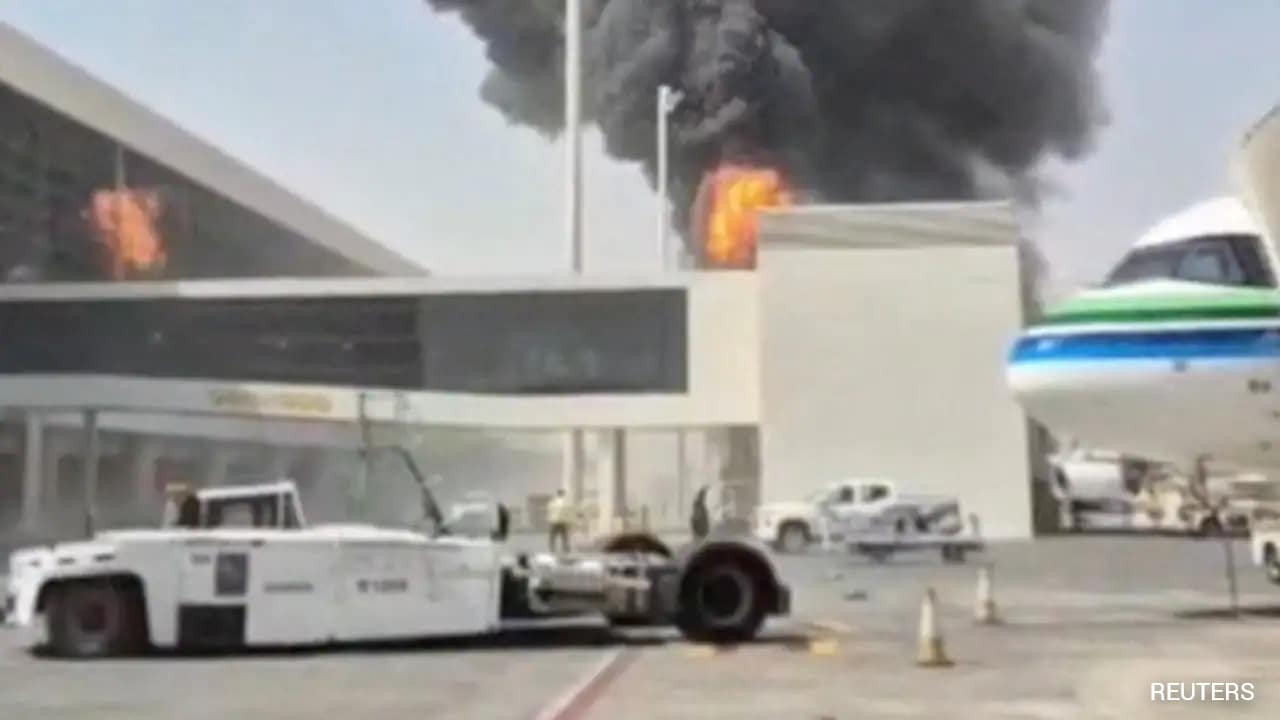
In the Red Sea, Iran-backed Yemeni Houthi rebels opened a new front against Saudi Arabia by declaring a naval blockade, threatening global oil supplies. Saudi Arabia has relied on a pipeline to the Red Sea to export oil after the Strait of Hormuz disruptions. Houthi-run news agency SABA reported that six ships rerouted after warnings, though this could not be independently confirmed.
Momeni met Pakistan's army chief Field Marshal Asim Munir and Prime Minister Shehbaz Sharif. Sharif expressed deep concern over the escalation and urged restraint.