US-Iran Preliminary Pact Leaves Key Financial Terms Unresolved

A preliminary agreement between the United States and Iran, intended to de-escalate tensions, has left several critical issues unresolved, including financial obligations and the exact terms of a broader settlement. A senior US official has stated publicly that the deal does not commit Washington to paying Iran any amount. However, the agreement's text is deliberately opaque, allowing for multiple interpretations and leaving open the possibility that the US may eventually make some payments as part of a negotiated settlement to the conflict.
The ambiguity centers on clauses that refer to "mutual economic arrangements" and the "facilitation of humanitarian transfers." While the official's statement was unequivocal, legal experts and diplomats note that such broad language can be leveraged in future negotiations to include financial compensation or sanctions relief without explicitly naming it. The agreement, reached after months of indirect talks mediated by Oman and other parties, was hailed as a breakthrough in lowering immediate hostilities but is widely seen as a framework rather than a final settlement.
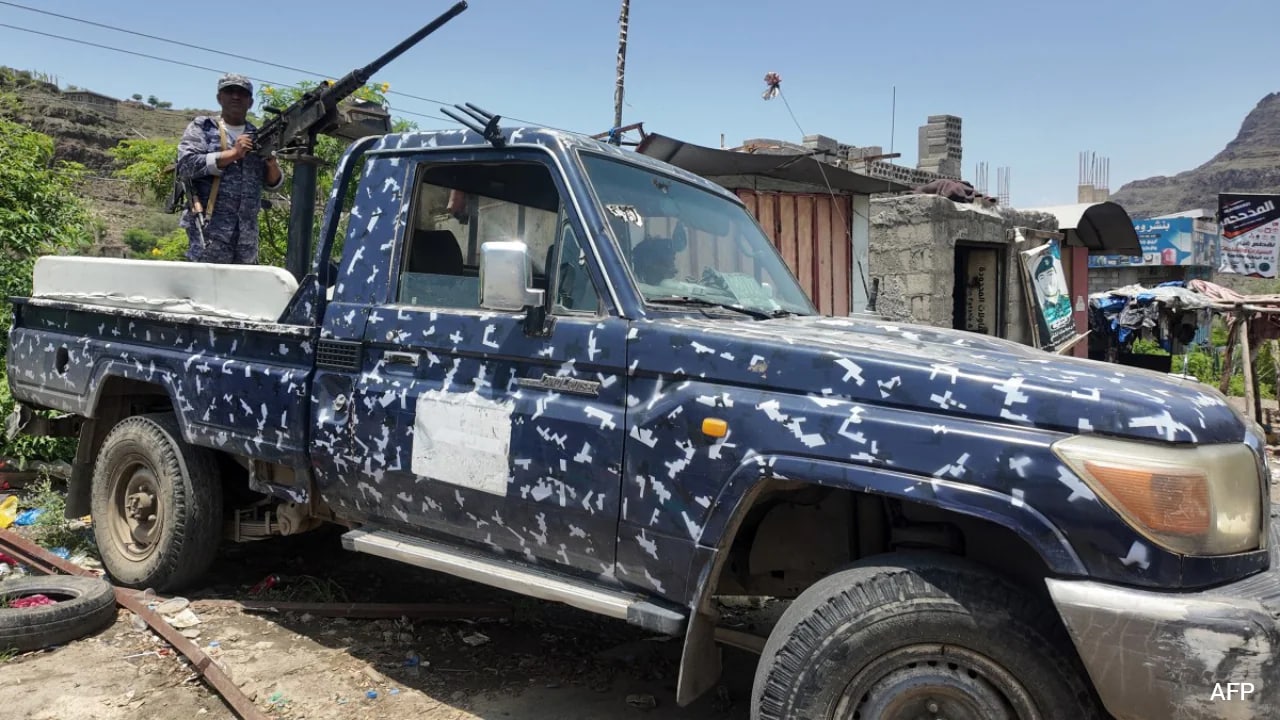
The war referenced in the negotiations is widely understood to be the broader regional instability involving Iran-backed militias and the US military presence in the Middle East, though the text avoids direct mention. Over the past year, attacks on US forces in Iraq and Syria, as well as Houthi disruptions in the Red Sea, have raised fears of a direct US-Iran confrontation. The preliminary pact reportedly focuses on curbing such proxy attacks and establishing a channel for further dialogue.
Critics argue that the vagueness risks creating false expectations. Some regional allies have expressed concern that any financial flows to Iran, even if framed as humanitarian, could be diverted to military activities. The US administration insists that stringent oversight mechanisms are included, but the details remain classified. The Iranian government has not commented officially on the financial aspects, though state media has portrayed the agreement as a US concession.
The path to a comprehensive deal will require addressing not only the payment question but also Iran's nuclear programme, its support for armed groups, and the fate of detained foreign nationals. Both sides face domestic political pressures that could derail progress. In the US, lawmakers have already demanded full transparency on the terms, while hardliners in Tehran may reject any accord that does not deliver immediate economic benefits.
For now, the preliminary agreement stands as a tentative step away from open conflict. Whether it leads to a durable peace or merely postpones confrontations will depend on the willingness of both parties to clarify the unresolved issues in the coming weeks. The international community is watching closely, aware that any misstep could reignite one of the world's most volatile regions.