Ceuta Migrant Surge: 60,000 Enter in Two Days, Most Return Home
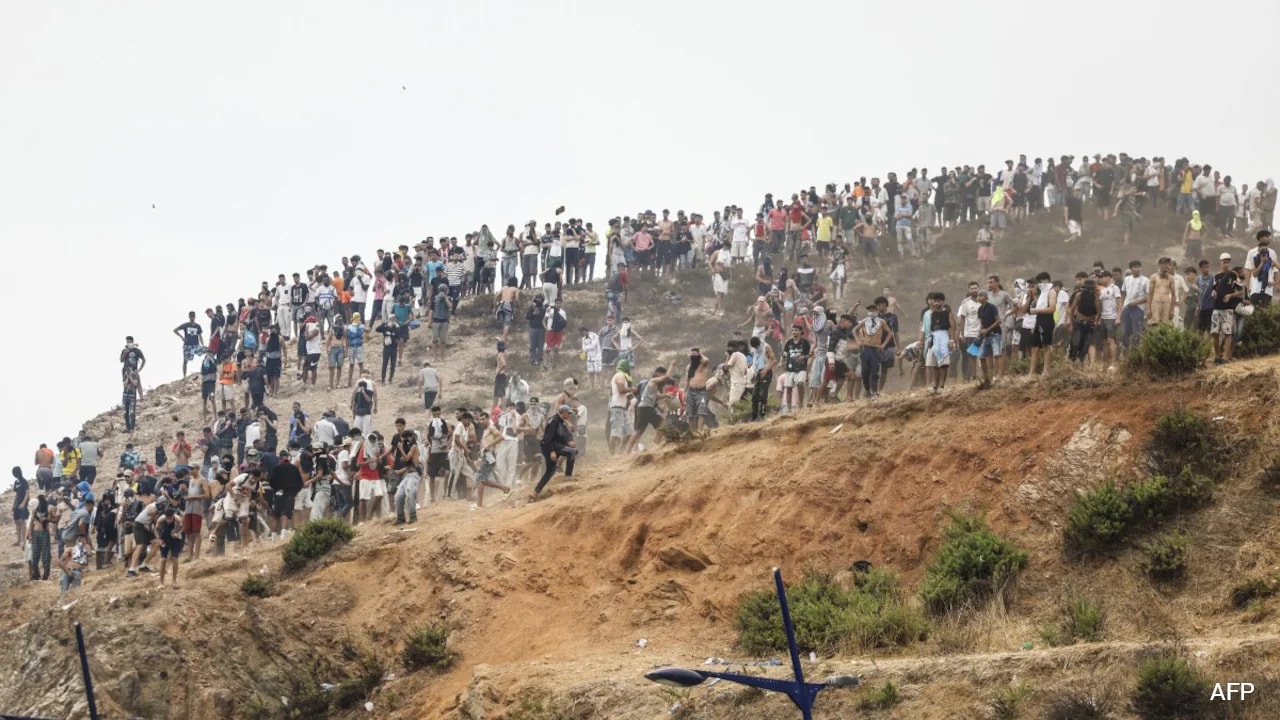
Nearly 60,000 migrants entered the Spanish enclave of Ceuta from Morocco over a two-day period, but most have since returned to their homes, according to local authorities. The unprecedented influx, which occurred last week, has reignited debates about migration policies within the European Union.
Ceuta, a small Spanish territory on the North African coast, has long been a destination for migrants seeking to reach Europe. While the recent surge was exceptional in scale, such attempts are not uncommon, particularly in the summer months. Organised efforts, often coordinated through social media, frequently lead to waves of crossings.
The incident led to widespread concerns about unauthorised migration into the EU. Tragically, the death toll has risen to 67, with many migrants losing their lives during the attempted crossings.
The surge came just a week after around 1,800 people swam around a breakwater to enter Ceuta from neighbouring Morocco. Reports indicate that some would-be migrants had taken swimming lessons or taught themselves to swim, aiming to reach Spanish soil. A Moroccan swimming teacher told the Financial Times that people had been preparing for such attempts. Facebook groups were used to sell wetsuits and flippers, while others shared information in Arabic about sea conditions and screenshots from Google Maps showing routes to Ceuta's rocky Tarajal beach.
The shortest direct swimming route from Morocco to Ceuta is only a few hundred metres, but strong currents and the sheer number of swimmers meant many were forced to swim further and remain in the water for hours. When migrants finally reached the enclave's reception centre, hoping to find food and a way to travel to mainland Spain, they found it closed. Hours later, many chose to return home.
Spanish Prime Minister Pedro Sanchez, who visited Ceuta following the influx, blamed trafficking gangs for the crisis. He described the incident as a “violation of Spain's territorial integrity” and accused traffickers of taking “a self-serving interpretation” of a Supreme Court ruling from June, which he said had “spread like wildfire”.
The Spanish Supreme Court had ruled in June that migrants stopped at sea while attempting to reach Melilla or Ceuta could not be returned to Morocco without due process. However, the process remains complex. Anyone seeking to travel from Ceuta to the Spanish mainland must still pass through additional border checks.
The crisis has had wider repercussions. Italy temporarily suspended the EU's border-free Schengen arrangement, a move that Spain condemned as “selfish, polarising and unlawful”. The incident highlights the ongoing challenges facing European nations in managing migration while adhering to legal and humanitarian principles.
As the immediate situation in Ceuta has calmed, questions remain about the long-term approach to migration in the region. The EU and its member states continue to grapple with balancing security concerns, human rights obligations, and the need for cooperative relations with neighbouring countries like Morocco.