US-Iran ceasefire strained after attacks near Strait of Hormuz, oil prices spike
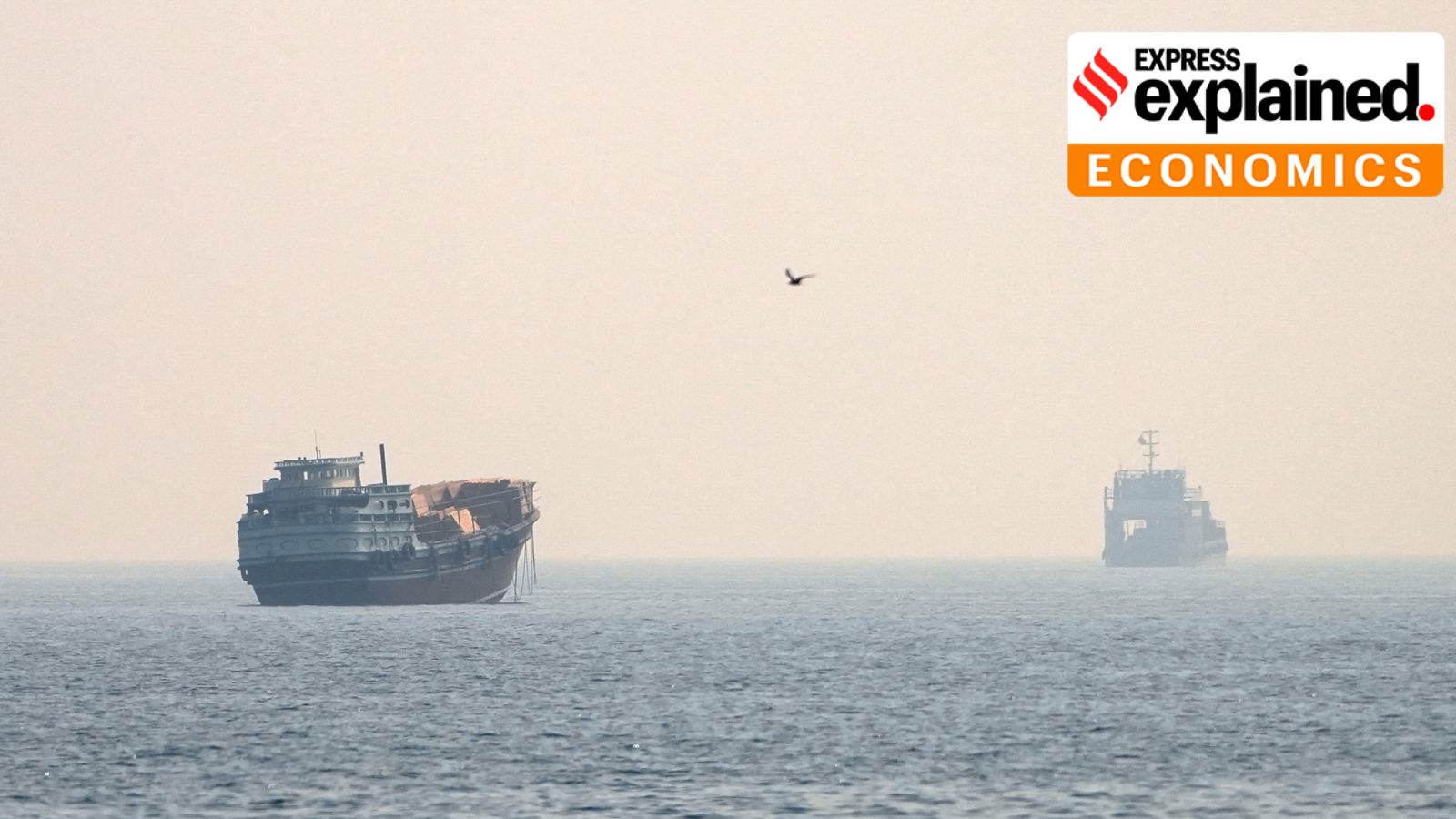
Multiple energy tankers came under attack near the Strait of Hormuz on Tuesday, raising doubts about the fragile ceasefire established by the US-Iran Memorandum of Understanding (MoU) signed about three weeks ago. The United States responded by striking over 80 Iranian military targets, including air defence systems, command and control networks, coastal radar sites, anti-ship missile capabilities, and more than 60 Islamic Revolutionary Guard Corps (IRGC) small boats. Iran retaliated with strikes it said were against US assets in Bahrain and Kuwait.
The global energy market, which had shown signs of recovery in recent weeks as traffic through the Strait of Hormuz increased, is now on edge. Oil prices rose sharply: Brent futures exceeded $78 per barrel on Wednesday afternoon, an increase of nearly 6% from the previous day. The earlier conflict in West Asia and the effective closure of the Strait of Hormuz—which normally handles about one-fifth of global oil and liquefied natural gas (LNG) flows—had caused one of the worst energy supply crises in recent history.
Key questions now include whether the recent escalation will be contained or expand into a wider conflict, and what will happen to oil and gas flows through the Strait of Hormuz. The trajectory of oil prices will depend heavily on the situation. During the peak of the crisis, prices had exceeded $100 per barrel. Large Asian energy importers, including India, were particularly affected, as most of the oil and gas transiting the strait are consumed by Asian economies.
US President Donald Trump said he believes the US-Iran MoU is “over,” although peace talks between Washington and Tehran continue. The US also revoked its sanctions waiver for Iranian oil, making Iranian crude effectively inaccessible to most countries except China, a regular buyer. Despite the escalation, industry insiders and experts expect both sides to de-escalate to avoid a return to full-scale confrontation.
“Despite this being the worst exchange of fire between the US and Iran since the June 17 MoU and Trump’s subsequent claims, the tentative ceasefire might still hold. Neither country would want to go back to full-scale conflict. Iran’s targeting of the three ships transiting the Strait of Hormuz was perhaps to try to force vessels to use its new designated route. The strikes on Iranian coastal positions by the US were a warning of sorts. Iran’s response, though, of loosening fire at Bahrain and Kuwait could signal that Tehran is willing to push the envelope more and embroil the region in turmoil again,” an international energy and shipping expert told The Indian Express.
The Strait of Hormuz, a critical maritime chokepoint, lies at the centre of the latest tensions. Before the war that began in late February, the strait was free for navigation. Since then, Iran has claimed sovereignty over parts of the waterway. During the war, Iran actively controlled vessel traffic, allowing only a few ships to pass and only on routes it dictated. After the June MoU, Iran continued to insist that vessels seek permission and use designated routes. Tehran also plans to impose a service fee for transits later. Iranian state television reported that the ships attacked on Tuesday were sailing outside the authorised shipping lanes.
On the other hand, the US and its allies maintain that the strait is an international waterway and that navigation must remain free. The situation remains fluid, with global energy markets closely monitoring developments.







