US Halts New Tariffs on Aircraft Imports, Pursues Negotiations
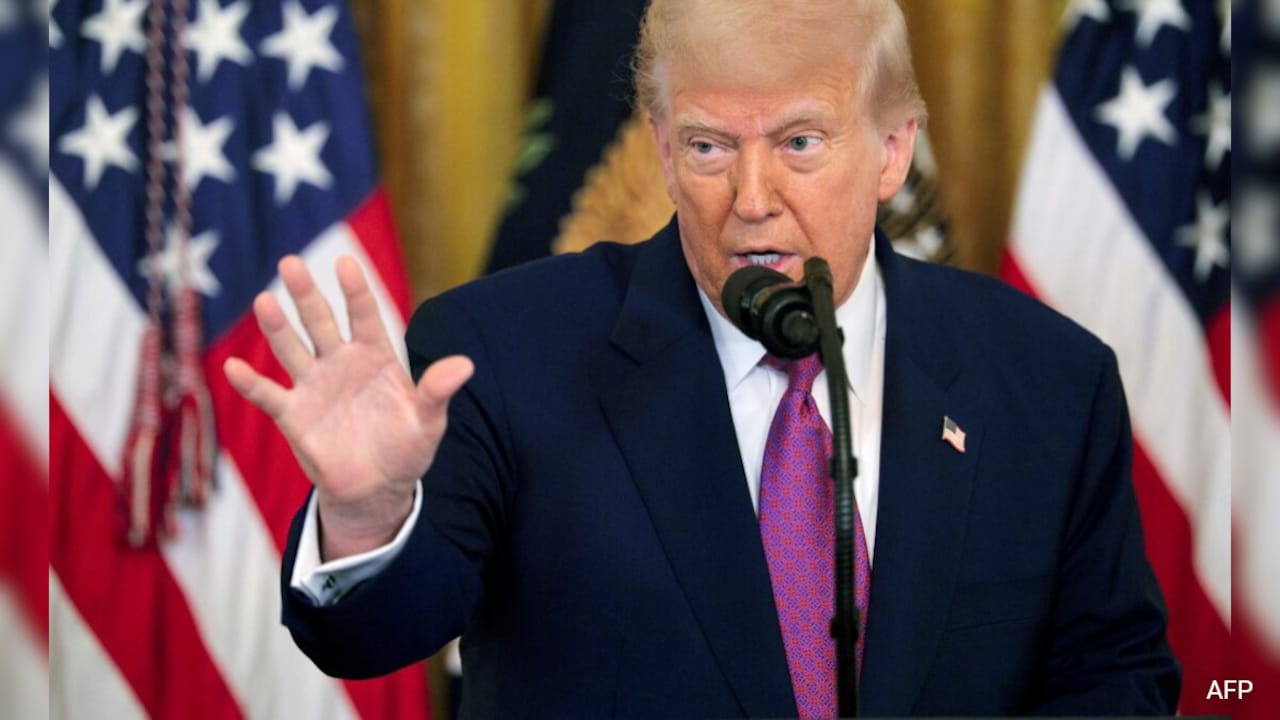
The United States has decided not to impose new tariffs on commercial aircraft and parts following a national security investigation, according to a proclamation signed by President Donald Trump on Thursday.
The probe, conducted under Section 232 of the Trade Expansion Act of 1962, found that foreign actions "continue to harm" the US commercial aircraft manufacturing industry and that the country remains overly reliant on foreign supply chains. However, the Commerce Secretary recommended against immediate tariffs, opting instead to pursue negotiations with trading partners.
"The Secretary also recommended that no immediate tariffs be imposed" to address the potential national security risks posed by imports of commercial aircraft, jet engines, and associated parts, the proclamation stated.
Since returning to office last year, Trump has imposed sweeping tariffs on US trading partners and sharp duties on sectors like steel, aluminum, and automobiles. While many of these global tariffs were later struck down by the Supreme Court, sector-specific duties remain in place.
The aircraft investigation is the latest use of Section 232 authority, which allows the president to adjust imports that threaten national security. The Trump administration now seeks further negotiations to ensure import volumes "will not threaten to impair the national security of the United States."
The proclamation keeps open the possibility of future action if negotiations fail. The move comes amid ongoing trade tensions between the US and major aircraft producers like the European Union and Canada.
This decision reflects a cautious approach to trade policy, balancing national security concerns with the need to maintain stable supply chains and avoid disruptions to the aviation industry.







