Supreme Court: Not Reporting Child Sex Abuse Can Lead to POCSO Action
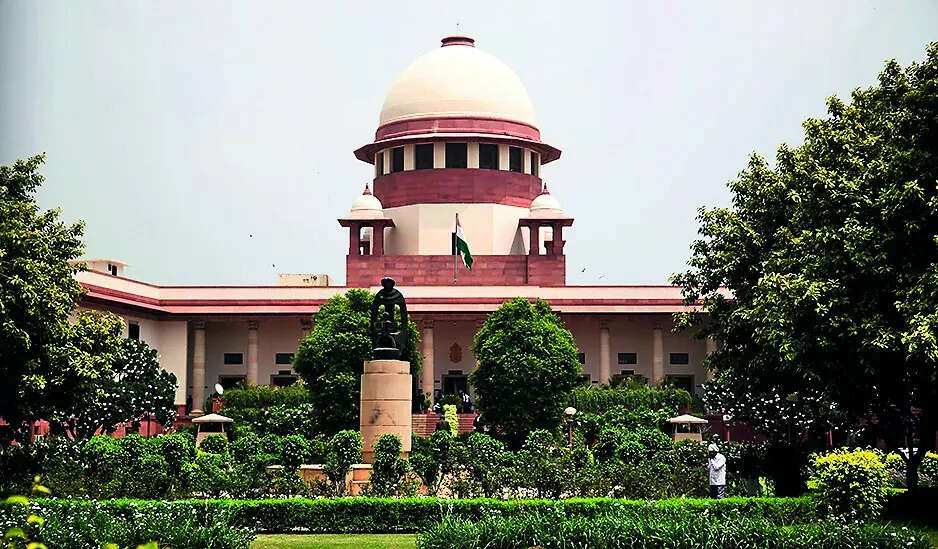
The Supreme Court of India has upheld that failure to report instances of child sexual abuse can invite legal action under the Protection of Children from Sexual Offences (POCSO) Act. The ruling came as the court allowed the prosecution of a headmistress who did not inform the police about a rape complaint made by a student.
In a significant judgment, a bench of Justices said that the mandatory reporting requirement under Section 19 of the POCSO Act applies to all individuals, especially those in positions of responsibility such as teachers and school administrators. The court emphasized that any person who has knowledge of a child being sexually abused must report it to the authorities, failing which they can be prosecuted under Section 21 of the Act.
The case involved a headmistress of a school in Uttar Pradesh who was accused of not reporting a rape complaint made by a minor student. The trial court and the High Court had previously quashed the prosecution, but the Supreme Court set aside those orders and allowed the proceedings to continue.
The court observed that the object of the POCSO Act is to protect children from sexual offences and to ensure that perpetrators are brought to justice. Non-reporting of such offences defeats this object and can lead to further abuse. The judgment underscores the importance of timely reporting to prevent the offender from escaping accountability and to provide immediate support to the victim.
Legal experts have welcomed the decision, stating that it reinforces the duty of every citizen, particularly those in positions of trust, to act as responsible reporters. The ruling is expected to have a deterrent effect on those who might otherwise turn a blind eye to child sexual abuse.
The Supreme Court also clarified that the reporting requirement is not limited to cases where the abuse is proven; even a reasonable belief or suspicion of abuse must be reported. This broad interpretation ensures that potential cases are not ignored due to lack of concrete evidence at the initial stage.
The judgment is part of a series of proactive measures by the judiciary to strengthen child protection laws in India. It sends a clear message that silence in the face of child sexual abuse is not an option and that everyone has a role to play in safeguarding children.







