US Court Permanently Dismisses Criminal Charges Against Gautam Adani, Nephew
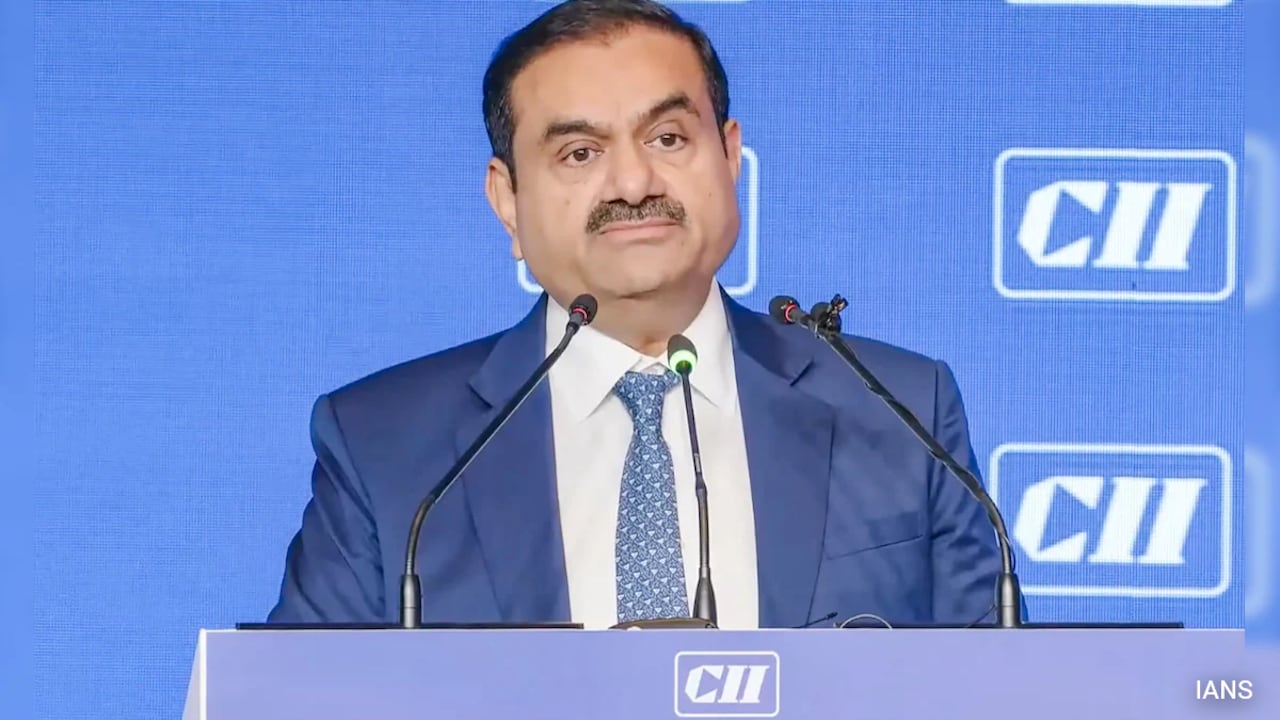
A United States District Court has dismissed with prejudice the criminal charges against Adani Group Chairman Gautam Adani, his nephew Sagar Adani, and former Adani Green Energy CEO Vneet Jaain, closing a case that had been pending for nearly two years. The dismissal, granted on Monday by Judge Nicholas Garaufis of the US District Court for the Eastern District of New York, permanently bars the charges from being refiled.
The charges originally filed in November 2024 included securities-fraud conspiracy, wire-fraud conspiracy, and securities fraud. US prosecutors had alleged that the defendants were involved in a scheme to pay approximately USD 250 million in bribes to Indian government officials to secure solar power contracts projected to yield more than USD 2 billion in after-tax profits over two decades. Prosecutors also claimed that investors were misled while the Adani Group raised more than USD 3 billion through loans and bond issuances in US markets.
The Adani Group has consistently denied the allegations, calling them baseless and asserting that the company had complied with all applicable laws and regulatory requirements. In his statement following the court's decision, Gautam Adani said, "We welcomed this decision with humility and deep respect for the judicial process. Throughout this challenging period, our faith in truth, fairness and the rule of law remained unwavering." He also expressed gratitude to supporters and reiterated his commitment to contributing to India's development.
The dismissal followed a motion by the US Department of Justice (DoJ) under Rule 48(a) of the Federal Rules of Criminal Procedure. In its submissions, the Trump administration stated that continuing the prosecution no longer served the interests of justice, citing significant jurisdictional and evidentiary challenges. The DoJ noted that the alleged conduct was predominantly Indian in nature, that Indian authorities had already examined the matter, and that there were no identified investor losses. It added that broader public-interest considerations supported the decision to abandon the case.
The DoJ also asserted that the indictment, unsealed in the closing weeks of the previous Biden administration, had little realistic prospect of proceeding to trial and appeared to be a politically motivated "name and shame" exercise. This characterization was part of the government's motion and is not a finding by the court.
Before approving the dismissal, Judge Garaufis took the unusual step of requesting detailed explanations from prosecutors and requiring each defendant to file a sworn declaration confirming that no promise, offer, quid pro quo, or undisclosed agreement was tied to the DoJ's decision. In his declaration, Gautam Adani categorically denied the existence of any such arrangement. The judge also stated that he was satisfied that Adani's November 2024 pledge to invest USD 10 billion in the United States did not factor into the Justice Department's decision.
Judge Garaufis acknowledged the limited role of the judiciary in reviewing a prosecutor's decision to drop charges. While the dismissal with prejudice closes the criminal case permanently, it does not constitute a judicial finding on the merits of the underlying allegations. This distinction is important for understanding the legal significance of the outcome.
Separately, the US Securities and Exchange Commission's (SEC) civil action against Gautam Adani was resolved through a final judgment. Under the terms, Adani consented to the order without admitting or denying the allegations and agreed to pay a USD 6 million civil penalty within 30 days.
The legal proceedings have drawn attention globally because they involved a major Indian conglomerate with significant international investments. The dismissal brings the criminal case to a definitive end, but the questions raised during the proceedings about corporate governance and cross-border regulatory oversight remain part of the broader discourse.