UNGA: Shehbaz Sharif Refuses to Answer on Hafiz Saeed; India Says Pakistan Exports Terror
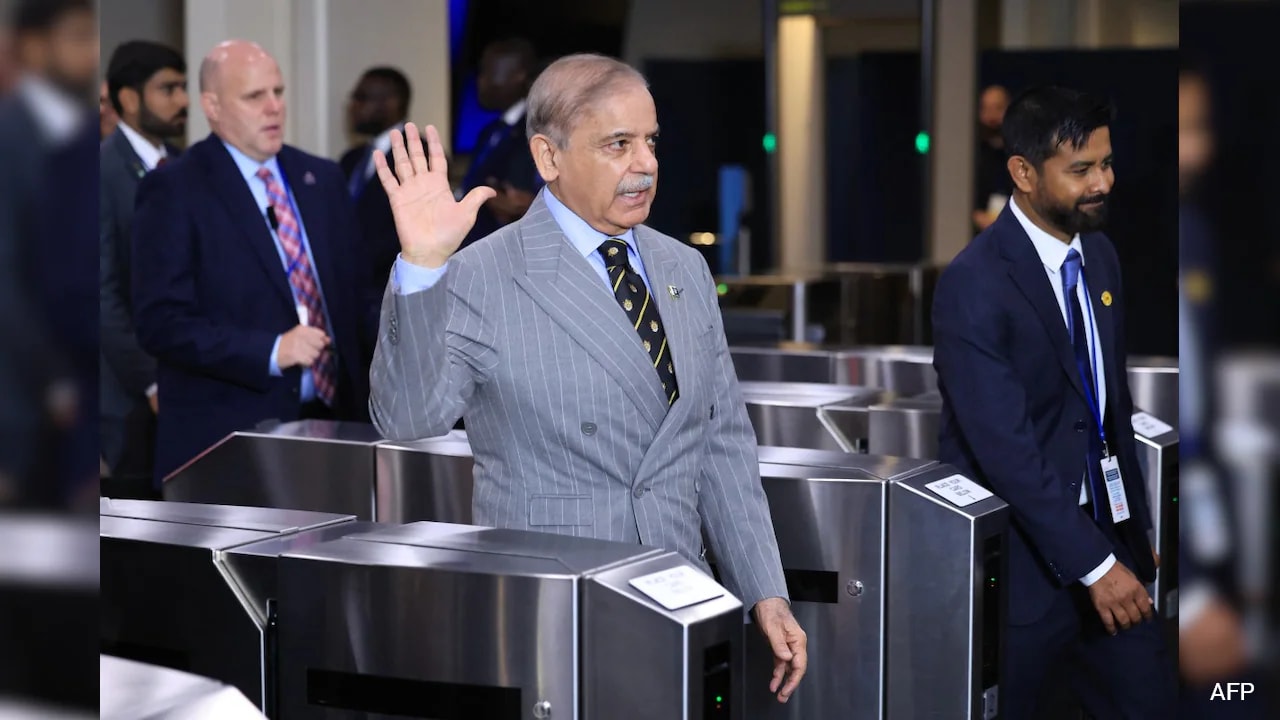
Pakistan Prime Minister Shehbaz Sharif on Thursday refused to answer questions regarding Hafiz Saeed, the founder of the banned terrorist organisation Lashkar-e-Taiba (LeT), during his visit to the United Nations headquarters in New York.
As Sharif entered the UN building, reporters asked him, "Prime Minister, when will you stop harbouring terrorists?" He did not respond. Later, while leaving, he was again asked, "When will you prosecute Lashkar-e-Taiba chief Hafiz Saeed?" The Pakistani Prime Minister again remained silent and walked away.
Hafiz Muhammad Saeed, a resident of Sargodha in Pakistan's Punjab province, is a designated terrorist under India's Unlawful Activities (Prevention) Act, 1967. He is the founder of LeT, which is a proscribed terrorist organisation in India and several other countries. Saeed is also listed as a terrorist by the United Nations. He is wanted in India as a prime accused in the 26/11 Mumbai terror attack case, in which 166 people were killed.
More recently, India's National Investigation Agency (NIA) has alleged that the Pahalgam terror attack on April 22, 2025, was orchestrated by Pakistan-based operatives of LeT. In its supplementary chargesheet, the NIA named Saeed as Accused No. 8, alleging his involvement in the larger conspiracy behind the attack.
Saeed has been arrested and released multiple times in Pakistan, but has never been convicted for his role in the Mumbai attacks. India has long demanded that Pakistan bring him to justice, but progress has been minimal.
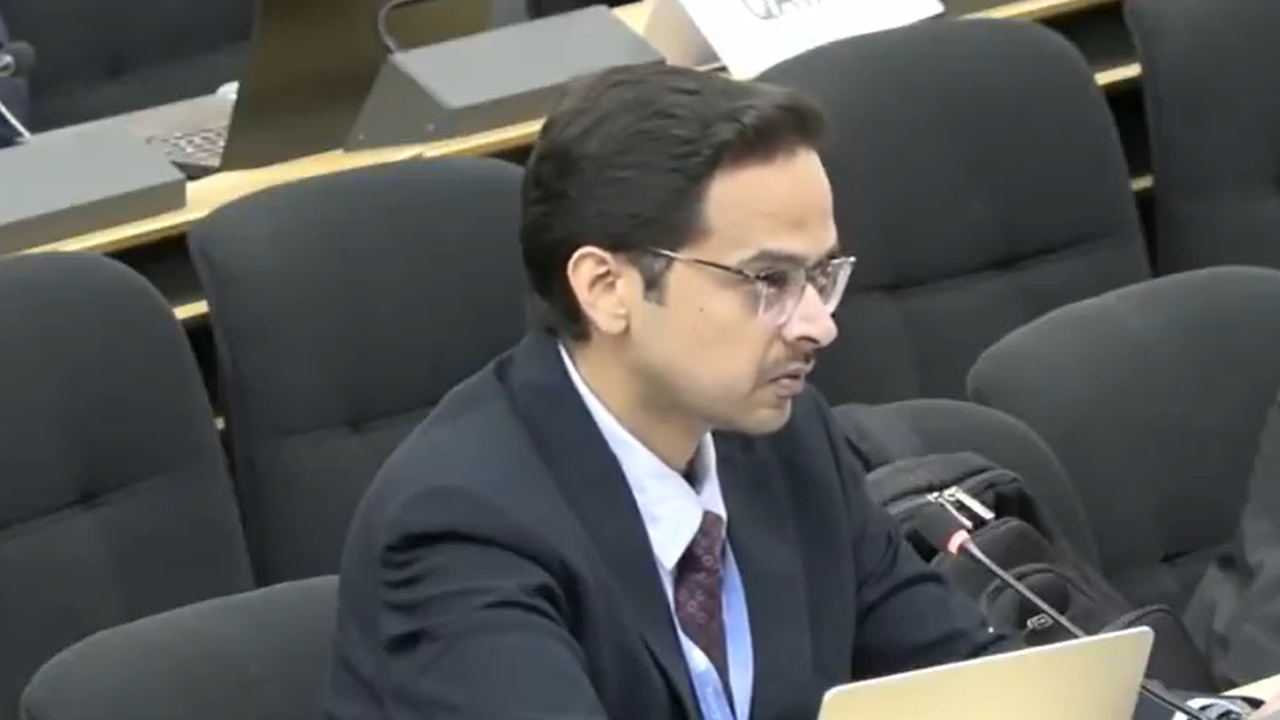
The incident at the UN comes a day after India strongly criticised Pakistan at the United Nations Human Rights Council. Exercising its right of reply, Indian diplomat Kshitij Tyagi said that Pakistan should direct its energy towards its debt-ridden economy, which survives on bailouts, rather than harbouring territorial ambitions or sponsoring cross-border terrorism.
Tyagi stated, "Pakistan would better serve its people by focusing on development, rather than by coveting territory of others or exporting terror, because neither these nor its theatrics in the Council would help repay the loans its economy survives on." He also highlighted what he described as Pakistan's suppression of civilians and acute humanitarian crises in the region he called Pakistan-occupied Kashmir, where widespread protests have been met with lethal state violence and blockades on essential supplies such as food, fuel, and medicine.
"This Council was told last Friday of scores of civilians killed since June in the territory Pakistan occupies, of students arrested in Islamabad and Rawalpindi, and of food and medicine held back," Tyagi said. "When those accounts were given, Pakistan's answer was a point of order. If any delegation in this room meets every objective criterion for this Council's scrutiny, it is Pakistan."
Pakistan has consistently denied allegations of supporting terrorism and has previously rejected similar accusations from India as baseless. There was no immediate response from the Pakistani side regarding the questions posed to Prime Minister Sharif at the UN.
The episode was captured on video and shared widely, highlighting the ongoing dispute between India and Pakistan over cross-border terrorism.
India has consistently raised the issue of Pakistan's support for terrorism at international forums, including the United Nations. Pakistan denies these allegations and accuses India of human rights violations in Jammu and Kashmir.
The United States and other countries have also designated LeT as a terrorist organisation and have called on Pakistan to take action against Saeed.
The exchange underscores the ongoing tensions between India and Pakistan, particularly over the issue of cross-border terrorism. The United Nations General Assembly is currently in session, with world leaders gathering to discuss pressing global issues.