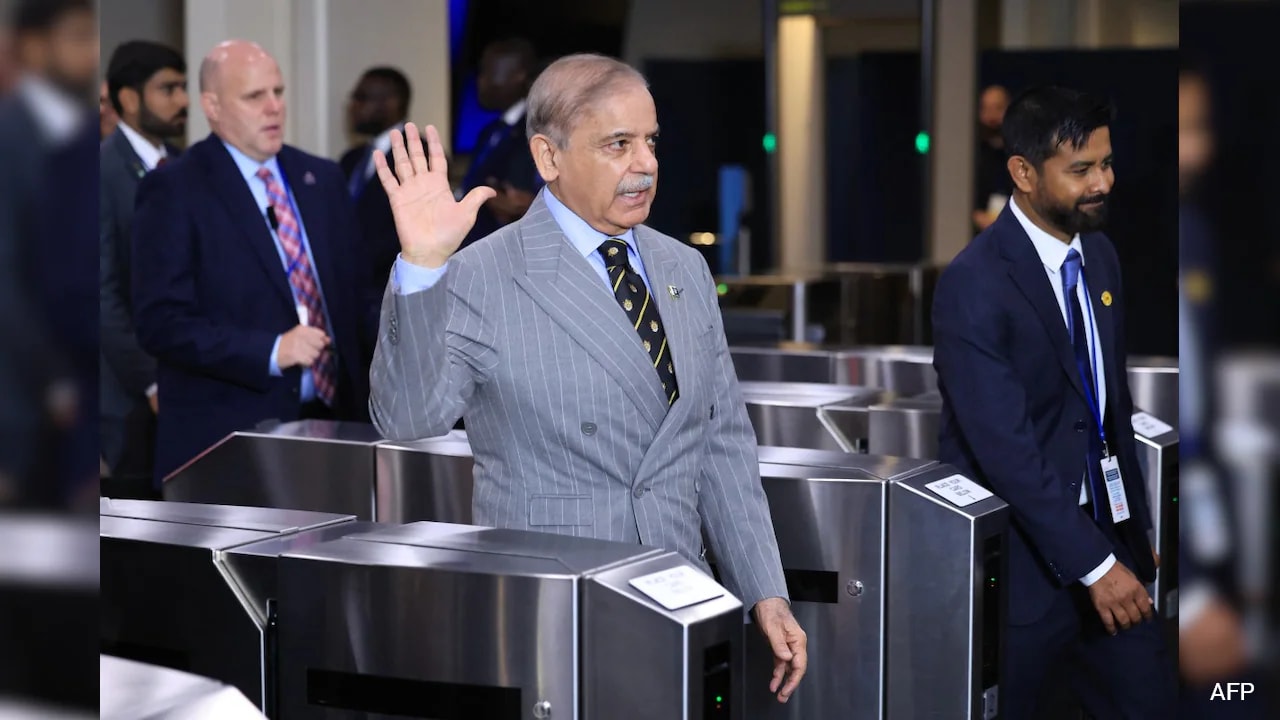
Delegates Walk Out of UN General Assembly as Netanyahu Takes the Podium

Delegates rose from their seats and filed out of the United Nations General Assembly hall as Israeli Prime Minister Benjamin Netanyahu stepped up to the podium, a coordinated protest that has become a familiar sight at his recent appearances before the world body.
The walkout was led by representatives of Arab and Muslim-majority countries and joined by several other delegations. Diplomats who left the chamber described the gesture as a mark of solidarity with Palestinians in Gaza. Those who remained stayed seated through the address, which was carried live on UN television.
The protest reflects the deep divisions opened by the war in Gaza, now in its third year. Israel launched its military campaign after the Hamas-led attack of 7 October 2023, in which Israeli authorities say about 1,200 people were killed and roughly 250 taken hostage. Gaza's health ministry, which does not distinguish between civilians and combatants in its figures, says tens of thousands of Palestinians have since been killed. Much of the territory's housing, health infrastructure and schooling has been destroyed, and United Nations agencies have warned repeatedly of famine and disease.
Behind the walkout lies a broader shift in international opinion. In November 2024, the International Criminal Court issued arrest warrants for Mr Netanyahu, his then defence minister Yoav Gallant and a Hamas commander over alleged war crimes and crimes against humanity. All have denied the charges. The International Court of Justice is separately hearing a case brought by South Africa alleging that Israel is committing genocide in Gaza — an allegation Israel rejects as baseless.
In September 2025, several Western countries, among them France, the United Kingdom, Canada and Australia, recognised Palestinian statehood. Israel condemned the move, saying it rewarded Hamas and undermined prospects for a negotiated settlement.
Mr Netanyahu has used the UN podium to argue that Israel is fighting a defensive war against an enemy that attacked it without provocation. He has said Israeli forces take steps to avoid civilian harm, that accusations against the military are false, and that the return of hostages still held in Gaza is a priority. He has also warned about the threat posed by Iran and its regional allies. Israeli officials have dismissed walkouts of this kind as political theatre that ignores the 7 October attack and the hostages' plight.
Walkouts have marked Mr Netanyahu's appearances before. In September 2024, dozens of delegates left the hall as he began his address, and demonstrations were held outside UN headquarters in New York. The pattern has repeated as the war has drawn on.
Such gestures, however, are largely symbolic. General Assembly resolutions are not binding, and the Security Council has repeatedly been blocked from acting by vetoes. Supporters of the protest say it still carries political weight by publicly marking Israel's isolation; critics say it changes little on the ground.
The General Assembly's annual high-level debate draws heads of state and government from most of the UN's 193 members. Speeches there are watched less for what they change in law than for the political signals they send.
The UN Secretary-General has repeatedly called for a ceasefire, the release of all hostages and unimpeded humanitarian access. Aid agencies say deliveries reaching Gaza remain far below what is needed.
For the delegations that stood and left, the moment was a statement of position. For those that stayed, it was an argument that dialogue — however uncomfortable — remains the only route to a settlement. What neither side disputes is the cost of the war, borne chiefly by civilians in Gaza and by the families of those killed or taken on 7 October.