It's up to America to decide if this war ends, says Iran's President Pezeshkian

Iranian President Masoud Pezeshkian has said that the decision on whether to end the war between Iran and the United States rests with Washington, adding that Tehran does not wish to see the conflict continue.
Asked in a television interview whether the war could conclude by the end of the year, Mr. Pezeshkian replied: "But we do not wish to continue. It's America that must choose whether it wants to end this or not." The interview was aired on Thursday, September 24, 2026, on Fox News' Special Report with Bret Baier.
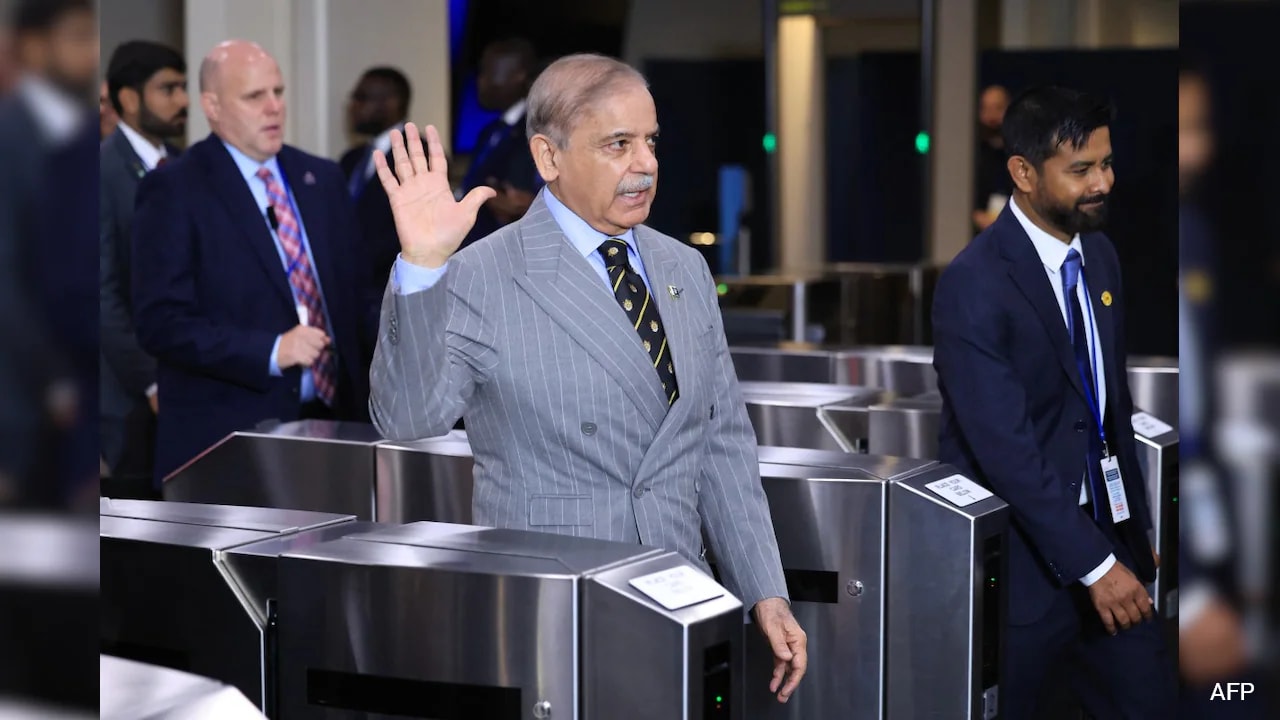
The remarks followed his address to the United Nations General Assembly on Wednesday, in which he said Tehran would never surrender to U.S. pressure. The two sides remain far apart on the terms for ending the conflict, which is now in its seventh month.
U.S. President Donald Trump said on Tuesday that the United States could "annihilate" Iran if there was no deal to end the war, while also suggesting that an agreement could be reached soon. Since the conflict began, Mr. Trump has offered shifting goals and timelines for it.
The war started on February 28, 2026, when the United States and Israel launched attacks on Iran. Tehran responded with strikes on Israel and on Gulf states that host U.S. military bases, drawing several countries in the region into the fighting.
The human cost has been severe. U.S.-Israeli strikes on Iran and Israeli attacks on Lebanon have killed thousands of people and displaced millions, according to figures cited in reporting on the conflict. A comprehensive, independently verified casualty count is not yet available, and aid agencies have warned that displacement and damage to civilian infrastructure are compounding the crisis.
At the centre of the dispute is Iran's nuclear programme. Mr. Trump has cited the weakening of Iran's nuclear capabilities as one of the objectives of the war. Iran does not possess nuclear weapons and denies seeking them. The United States is itself a nuclear-armed state.
Tehran maintains that, as a party to the Nuclear Non-Proliferation Treaty (NPT), it has the right to develop nuclear technology for peaceful purposes. That position has been the basis of Iran's public argument at the United Nations and in earlier negotiations over its nuclear work.
What happens next remains unclear. Neither side has announced a date for talks, and their stated positions — Washington's demand for a deal on its terms and Tehran's refusal to accept what it calls pressure — leave little visible common ground. Mr. Pezeshkian's comments place the immediate initiative with the U.S. administration, while Mr. Trump's suggestion that an agreement may be near has not been matched by any public outline of terms acceptable to both governments.
For the region, the stakes extend beyond the two principal adversaries. Gulf states hosting U.S. bases have already absorbed retaliatory strikes, Israel and Lebanon have seen sustained attacks, and millions remain displaced. Diplomats at the United Nations have continued to call for a negotiated end to the fighting, though no formal framework for a ceasefire has been made public.