US and China Race to Lunar South Pole in Search of Water Ice
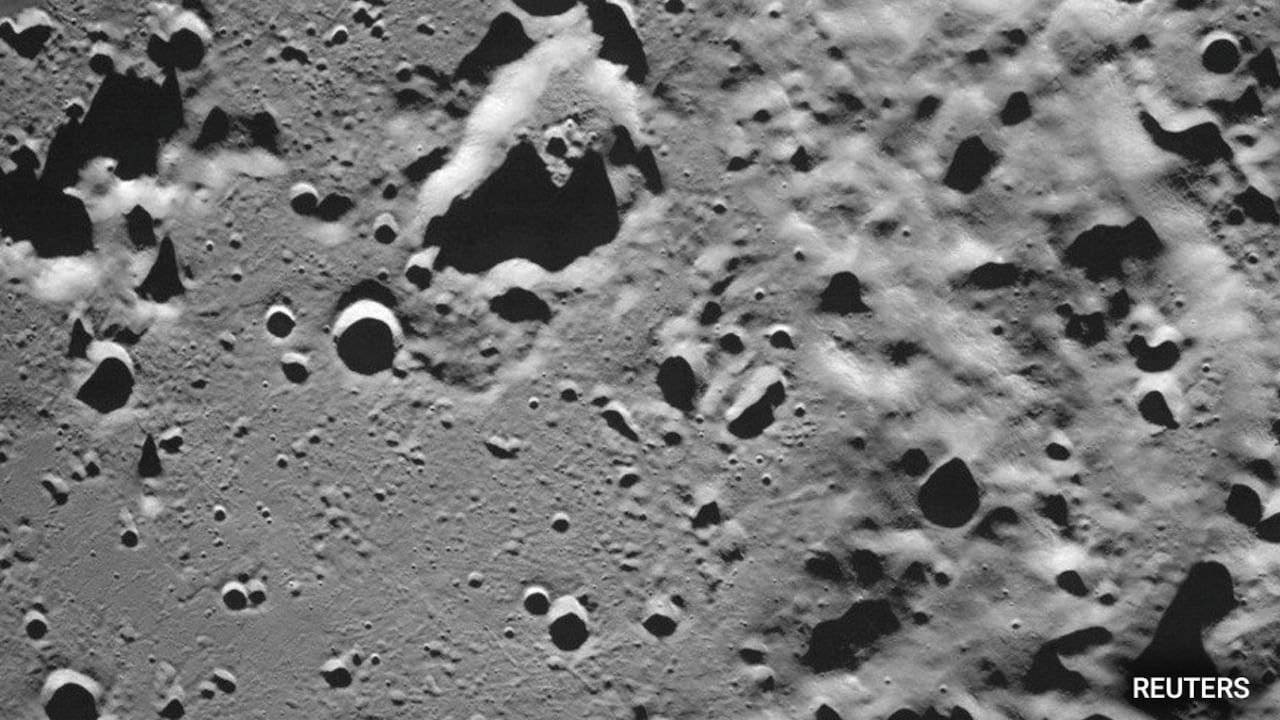
The United States and China are intensifying efforts to explore the Moon's south pole, a region believed to hold water ice that could be crucial for future space missions. Both countries have announced plans to send robotic probes to the area this year, marking a new phase in space competition.
China has outlined ambitious plans to build a permanent settlement on the Moon by 2040. The country already operates the Tiangong space station and became the first to bring back soil samples from the far side of the Moon. In response, the US has also proposed its own lunar base, with NASA aiming to return astronauts to the Moon in the coming years.
The lunar south pole has drawn particular interest because scientists believe water ice exists in permanently shadowed craters there. This resource could support a long-term human presence by providing drinking water, oxygen, and even rocket fuel. Finding sufficient water ice could lower the cost and complexity of sustaining a base, potentially enabling further exploration of Mars and deep space.
Both nations are now moving quickly to reach this challenging terrain. The US is relying on private companies to develop landers under NASA's Commercial Lunar Payload Services program. One such lander, named Griffin, is being built by Pittsburgh-based Astrobotic Technology and is scheduled to deliver scientific instruments to the lunar south pole in late 2026. This mission is intended to study the region's treacherous landscape and search for water ice.
China, meanwhile, is preparing to launch its Chang'e-7 mission as early as this month. This mission will deploy four robotic vehicles: an orbiter, a lander, a rover, and a mobile hopper. Together, they will attempt to drill into the lunar surface and analyse water ice. The mission aims to gather unprecedented data from the south pole, according to Chinese space officials.
Tang Yuhua, deputy chief designer of the Chang'e-7 mission, told state media in 2025 that locating water ice could significantly reduce the cost and time needed to transport water from Earth. This, he said, would make it easier to establish a human base on the Moon and support future missions to Mars or deeper into space.
The US is not expected to carry out similar drilling and analysis until its next robotic missions, which are scheduled for 2027 at the earliest. This timeline gap has raised concerns among US lawmakers, especially as NASA's plans for crewed lunar landings face engineering and technical hurdles that could cause delays.
China's progress in space technology has been notable. The country has invested heavily in navigation, propulsion, and sensing systems, which are essential for lunar exploration. Chinese President Xi Jinping has described the nation's space ambitions as an “eternal dream.” China is aiming to become only the second country to land astronauts on the Moon, targeting a crewed mission by 2030.
NASA, by contrast, has proposed landing astronauts on the Moon by 2028. However, its timeline has repeatedly shifted, and experts point out that navigating the rugged lunar south pole is far more difficult than landing at previously explored equatorial regions. Some analysts believe China's path to a crewed lunar landing by 2030 is more realistic given its recent successes.
The competition between the US and China reflects broader strategic and technological rivalry. Both nations view lunar exploration as a way to demonstrate leadership in space and to secure access to resources that could underpin future capabilities. While the immediate focus is on water ice, the long-term implications for scientific research, commercial activity, and national prestige are substantial.
As the two countries prepare to dispatch their respective missions, the world will be watching to see who reaches the lunar south pole first and what they find. The outcome could shape the next era of space exploration.