UN experts allege excessive force, mass detentions during India's youth protests
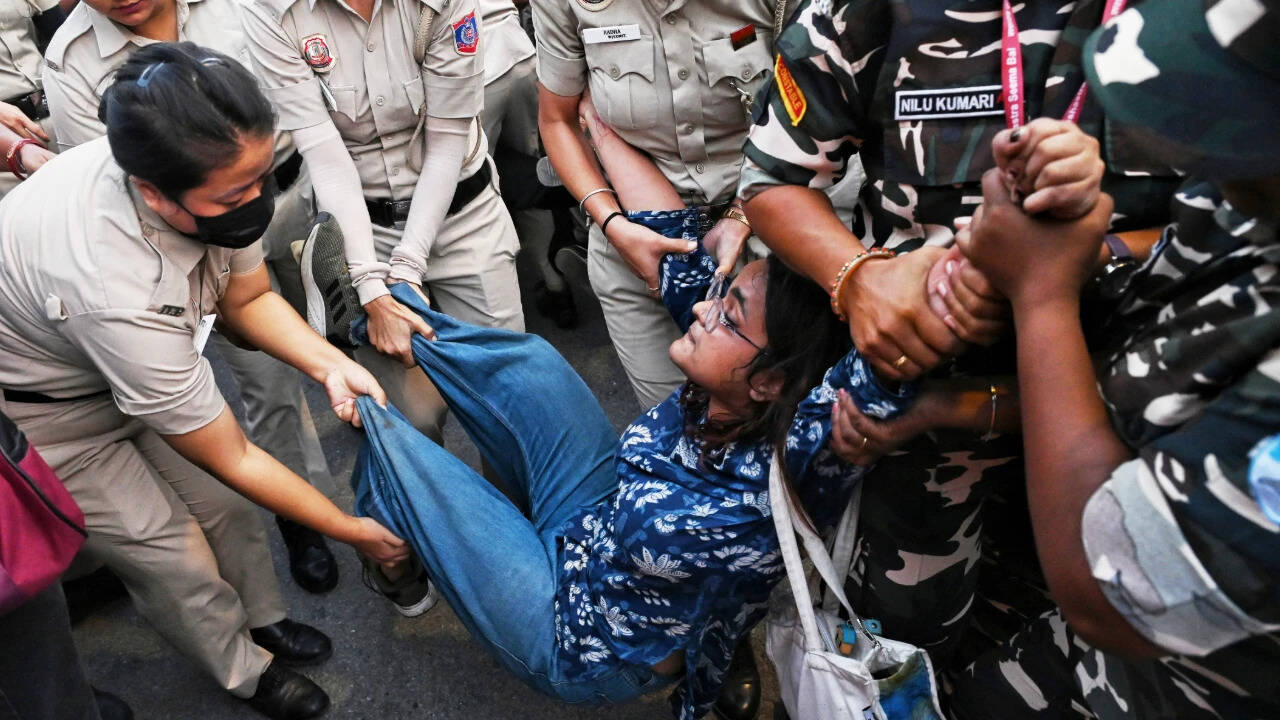
Independent human rights experts working under the United Nations have raised concerns over what they describe as the excessive use of force, arbitrary detentions and sweeping restrictions on public gatherings during youth-led protests in New Delhi and elsewhere in India over the past three months. In a statement issued through the UN Special Procedures, the experts urged Indian authorities to protect the right to peaceful assembly and to investigate the allegations.
The Special Procedures are independent experts mandated by the UN Human Rights Council to examine specific countries or themes. Their statements are not binding on governments but carry weight as findings of independent monitors.
According to the statement, hundreds of thousands of students and their supporters have gathered peacefully across the country in recent months — first over government decisions concerning the education system and, more recently, over deletions from the electoral rolls. The experts cited reports that the deletions affected 130 million individuals, reportedly belonging to Muslim, Scheduled Caste and Scheduled Tribe communities.
"Despite the non-violent nature of the assemblies, law enforcement has deployed force against unarmed students," the experts said.
The statement said more than 7,000 young people, journalists, human rights defenders, lawyers and political party members were detained in New Delhi and taken to detention centres located far from the protest sites. Their phones were allegedly seized and protest-related material deleted. Most were released within 24 hours, including protest leaders, the experts said.
They also cited reports of injuries and ill-treatment among protesters, expressing particular concern over allegations of sexual violence and other forms of gender-based abuse during demonstrations and the detentions that followed.
The experts further questioned the reported use of Section 163 of the Bharatiya Nagarik Suraksha Sanhita (BNSS) to impose broad restrictions on gatherings, suspend public transport and enforce internet shutdowns. Under Indian law, Section 163 empowers an executive magistrate to issue prohibitory orders in urgent cases of apprehended danger or nuisance. The experts said any restriction on peaceful assembly must be lawful, must pursue a legitimate objective, and must be necessary and proportionate.
"These actions violate India's core international legal obligations, including the rights to freedom of peaceful assembly, freedom of expression, liberty, security of the person, and the right to defend human rights," the statement said.
India's Constitution guarantees the right to assemble peaceably and without arms under Article 19(1)(b), subject to reasonable restrictions that the state may impose in the interests of public order. As a party to the International Covenant on Civil and Political Rights, India is also bound by its protections of peaceful assembly, expression, and liberty and security of the person.
The experts called on the authorities to immediately halt what they described as the excessive use of force, to lift blanket restrictions on assemblies, and to refrain from the misuse of digital surveillance, including biometric monitoring and internet disruptions. They urged an independent, impartial and thorough investigation into the conduct of law enforcement personnel and affiliated forces, with accountability, justice and reparations for those affected.
This report is based on the statement issued by the UN experts. A response from the Indian government to the specific allegations was not available in the material on which this article is based.