Delhi's Sabarmati-Style Yamuna Riverfront: Big Plan, Bigger Clean-Up Challenge
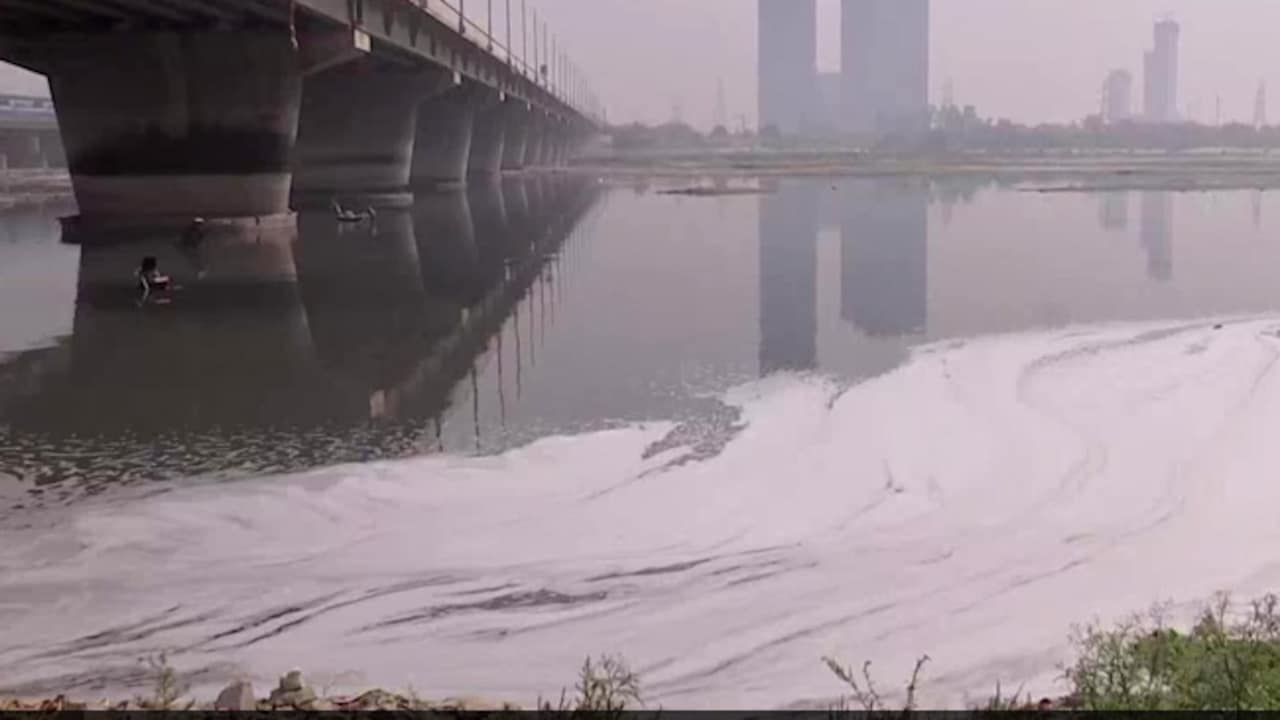
Delhi is pressing ahead with plans for a Sabarmati-style riverfront along the Yamuna, stretching from Palla in the north to Kalindi Kunj in the south, with walking and cycling tracks, sports grounds and public spaces planned along the banks. The project, however, is still on the drawing board — and the river it is meant to showcase remains badly polluted.
Water Minister Parvesh Verma said the government has moved a proposal to sign an agreement with the Sabarmati Riverfront Development Corporation and is hiring consultants to work on the project.
A riverfront in two phases
The Wazirabad barrage will divide the plan into two stretches. The first phase will cover Palla to Wazirabad, while the second will extend from Wazirabad to Kalindi Kunj, near the Okhla barrage. The Palla–Wazirabad stretch will be developed first and is intended to serve as a model for the rest of the riverfront.
The proposal includes spaces for yoga, morning walks, cycling and sports, with the government looking to make the riverbanks accessible to residents.
Verma said that if things go according to plan, Delhi residents would be able to see a model of the riverfront within the government's current term. He did not give a timeline for completing the entire project.
The minister visited the Sabarmati Riverfront in Ahmedabad in August, along with officials from the Delhi Jal Board and the Irrigation and Flood Control Department, to study that project. The Sabarmati riverfront, developed along both banks of the river in Ahmedabad, is among the most cited examples of urban river redevelopment in India, and Delhi's proposal follows a similar template.
Cleaning the river is the bigger test
Building the riverfront is only part of the challenge. Cleaning the Yamuna remains a far larger task.
The river flows for about 52 kilometres through Delhi, and the 22-kilometre stretch between Wazirabad and Okhla is among its most polluted sections. Untreated sewage is widely identified as the main source of pollution in this stretch, and the problem has persisted through years of clean-up efforts. Data from the Delhi Pollution Control Committee showed that faecal contamination rose at three monitoring points in September compared with August, including at Wazirabad and the Nizamuddin Bridge.
Verma said 28 of Delhi's 37 sewage treatment plants have been upgraded over the past 18 months, and the government plans to add another 250 million gallons per day (MGD) of treatment capacity to close the existing shortfall. He said the Yamuna could become visibly cleaner in about two-and-a-half years, once the sewage treatment projects are completed.
Not Delhi's first attempt
Delhi has tried for years to restore and develop the Yamuna's banks. In 2019, the Delhi Development Authority (DDA) prepared a plan to restore and rejuvenate nearly 1,476 hectares of the river's floodplains across 10 project areas.
Development along the river is also subject to environmental restrictions, particularly on its floodplains. In September, the DDA told the National Green Tribunal that it had installed 277 boundary markers along the Wazirabad–Okhla stretch, while demarcation work in the remaining areas would be taken up in another phase.
For now, the proposed Sabarmati-style riverfront remains in the planning stage, with no firm dates announced for construction or completion. Officials have indicated that the state of the river itself will determine how soon residents can actually use the banks being planned for them.