CBI Registers FIR in Jhota Murder Case, Team Reaches Punjab to Take Over Probe
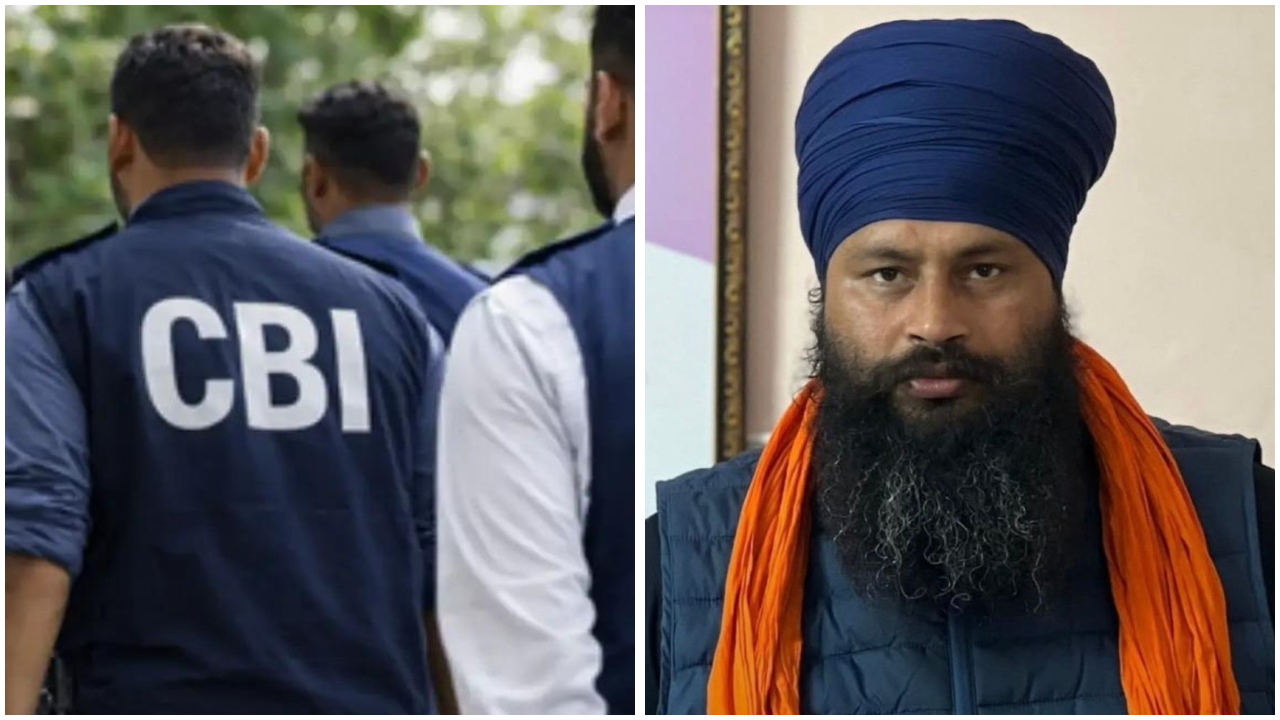
The Central Bureau of Investigation (CBI) has registered a case in the murder of Parvinder Singh Jhota, an anti-drug activist who was shot dead inside a medical store in Punjab's Mansa district. A team from the central agency has reached the state to take up the investigation, days after the Punjab government recommended that the matter be transferred from the state police.
Jhota was killed inside the medical store while he was hosting a live session on Facebook, according to reports. The murder of a man publicly associated with the campaign against drug abuse drew wide attention in the state and led to demands for an inquiry outside the state police apparatus.
Members of Jhota's family sought a CBI probe, and Chief Minister Bhagwant Singh Mann subsequently announced that the case would be handed over to the central agency. The state government's recommendation is the first step in such transfers.
Union Home Minister Amit Shah welcomed the decision to move the case to the CBI. At the same time, he criticised the state government, saying it had not done enough on other cases connected to drugs. His remarks underscored the long-running political friction between the Union government and Punjab's ruling party over the drug problem, an issue that has dominated the state's politics for more than a decade.
For the CBI to investigate a crime registered in a state, the state government must issue a notification or grant consent. Punjab, like several other states, withdrew its general consent to CBI investigations in 2021, which means a case-specific notification is required before the agency can formally take over a matter from the state police.
Punjab has for years reported some of the highest levels of opioid use in the country, and successive governments have promised firm action against trafficking networks. Mansa district lies in the Malwa region, which has been a focus of official anti-trafficking efforts. Volunteers and community groups campaigning against drugs often work alongside the police, and the safety of such activists has been a recurring subject of public debate.
Once the notification is issued and the FIR is registered, the CBI typically takes custody of case files, evidence and case property from the state police, and may re-examine witnesses and forensic material. The agency has not yet disclosed the composition of its team or whether it plans to file a fresh set of charges. No timeline has been announced for the investigation.
The development shifts the focus of the case to a central agency, but the questions that drove the family's demand remain: who carried out the killing, why was an anti-drug activist targeted, and how the investigation proceeds from here. For now, the CBI's registration of the FIR marks the formal beginning of that process.