UK defends shadow fleet tanker seizure as lawful after Putin's 'respond in kind' threat
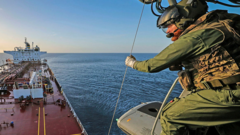
The United Kingdom has defended its seizure of a Russian-linked oil tanker in the English Channel, describing the operation as lawful under international law, after President Vladimir Putin threatened to respond in kind to what he called "piracy and banditry."
The tanker, Smyrtos, was intercepted and boarded by Royal Marines Commandos in June in a first-of-its-kind operation to disrupt vessels evading sanctions. The vessel was later anchored off Weymouth. Its captain, Ajay Pant, has been charged with breaching Russian sanctions, accused of directly or indirectly supplying or delivering prohibited Russian oil.
Speaking during Russian navy drills in the Pacific Ocean, Putin criticised Western nations for "seizing our vessels," and warned that Russia would respond "wherever we deem it necessary and appropriate, anywhere." He did not specify what form such a response might take.
Admiral Viktor Liina, commander of Russia's Pacific Fleet, separately accused Britain and France of operating their own "shadow fleets." He said Russian forces have "the capacity to inspect and detain vessels of unfriendly states and their shadow fleets," and that interagency cooperation was "ready to begin addressing these challenges."
In response, a UK government spokesperson said British forces and law-enforcement officers boarded the Smyrtos "in full accordance with international law." The spokesperson added that the UK is "disrupting and deterring shadow fleet vessels and their harmful maritime activity which is fuelling Russia's war with Ukraine." Unlike Russia's shadow fleet, the spokesperson said, "UK armed forces and commercial vessels operate firmly in line with international maritime law."
"Shadow fleet" is a term used for ageing or poorly maintained tankers that transport Russian oil and petroleum products, often with opaque ownership and insurance arrangements, to circumvent Western sanctions imposed after Russia's invasion of Ukraine. These vessels typically avoid standard maritime tracking systems and port inspections, and frequently transfer cargo at sea. Concerns have also been raised about the environmental risks they pose, as many are older ships with substandard safety records.
The June operation was the first time the UK had boarded a sanctioned tanker under new powers granted by recent legislation. Legal experts say such actions must balance the right to free navigation against enforcement of international sanctions. The captain's court hearing is expected to take place in due course.
The broader international community, including the European Union and the United States, has taken steps to target shadow fleet vessels, imposing sanctions on ships and owners involved in circumventing the oil price cap. The UK has also designated a number of vessels and entities linked to such activities. These measures are part of an effort to limit Russian revenue while avoiding disruptions to global energy markets.
Russia has consistently denied any wrongdoing in Ukraine and has dismissed Western sanctions as illegal. It has also warned that attempts to seize Russian assets or vessels would be met with retaliation. The standoff highlights the growing naval and legal confrontation between Russia and Western nations over energy exports.
Both countries continue to trade accusations over maritime conduct, with each side citing international law to justify their positions. The situation remains fluid, and further incidents could follow as enforcement measures intensify.