Trump Threatens to Strike Iran’s Underground Nuclear Facility ‘Pickaxe Mountain’ – A Look at Key Sites in West Asia Crisis
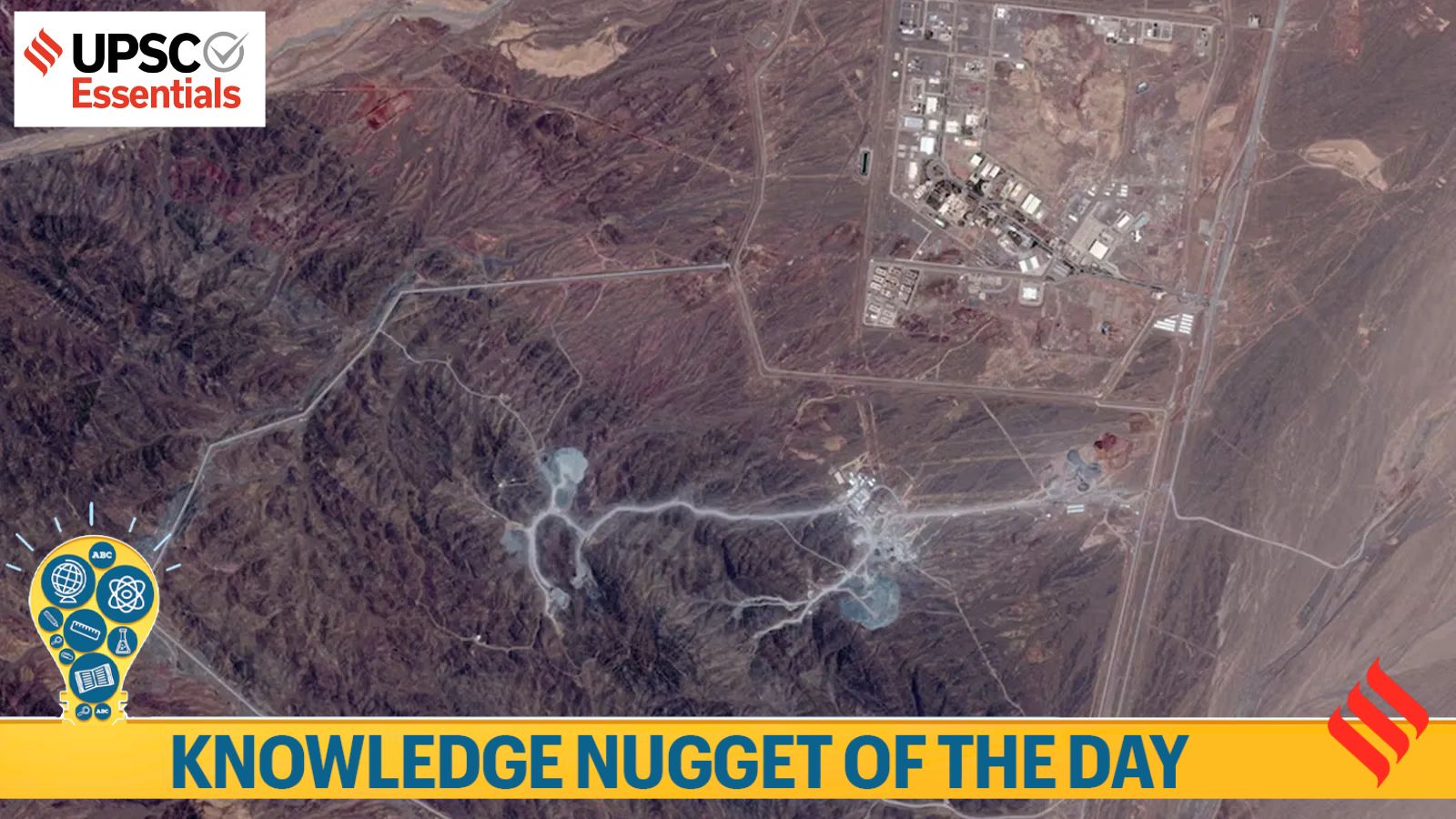
US President Donald Trump has threatened to strike Iran’s heavily fortified nuclear facility known as “Pickaxe Mountain,” putting renewed focus on one of Tehran’s most secretive underground sites. Experts say the facility is designed to withstand conventional bunker-buster bombs. Here is a look at Pickaxe Mountain and other strategic sites in the ongoing West Asia crisis.
Pickaxe Mountain
Pickaxe Mountain, also known as Kūh-e Kolang Gaz Lā, is a deeply buried underground nuclear facility under construction near Iran’s main uranium enrichment complex at Natanz. It lies about 1.5 km south of the Natanz facility in central Iran, dug into a mountain in the Zagros range, making it far more protected than Iran’s existing underground facilities. Satellite imagery analysed by independent experts suggests Iran has been excavating two large tunnel complexes beneath the mountain since around 2020. Iran has not publicly disclosed the site’s purpose.
Natanz Enrichment Plant
Long regarded as Iran’s main enrichment site, Natanz is located 220 km southeast of Tehran. It houses two enrichment plants: the Fuel Enrichment Plant (FEP) and the Pilot Fuel Enrichment Plant (PFEP). In March, the US and Israel reportedly bombed entrances to the underground Natanz FEP, as confirmed by the International Atomic Energy Agency (IAEA).
South Pars Gas Field
Israel has attacked Iran’s key offshore South Pars natural gas field in the Persian Gulf. Shared between Iran and Qatar, South Pars is the world’s largest gas field, containing an estimated 1,800 trillion cubic feet of usable gas — enough to supply the entire world’s needs for 13 years, according to a Reuters report. The field accounts for up to three-fourths of Iran’s gas production.
Ras Laffan Industrial City
Ras Laffan in Qatar is the world’s largest LNG hub, accounting for roughly a fifth of global LNG supply. QatarEnergy’s primary LNG production units, liquefaction plants, and export infrastructure are concentrated here. The site has been in the news due to its strategic importance in energy markets.
Kharg Island
Trump has repeatedly asserted that the US may send troops to seize control of Iran’s key oil export terminal at Kharg Island. Referred to as the “orphan pearl” of the Persian Gulf, Kharg Island, 25 km off Iran’s coast, processes 90 per cent of Tehran’s crude oil exports and is vital to Iran’s economy.
Damage to Historical Sites
Beyond nuclear and energy facilities, historical and cultural sites in Iran have also suffered damage in the attacks. For instance, Golestan Palace, a UNESCO World Heritage site in Tehran, was reportedly affected, highlighting the broader impact of the conflict on Iran’s heritage.