India Says No Change on Sheikh Hasina Extradition: MEA Calls It a Legal Matter
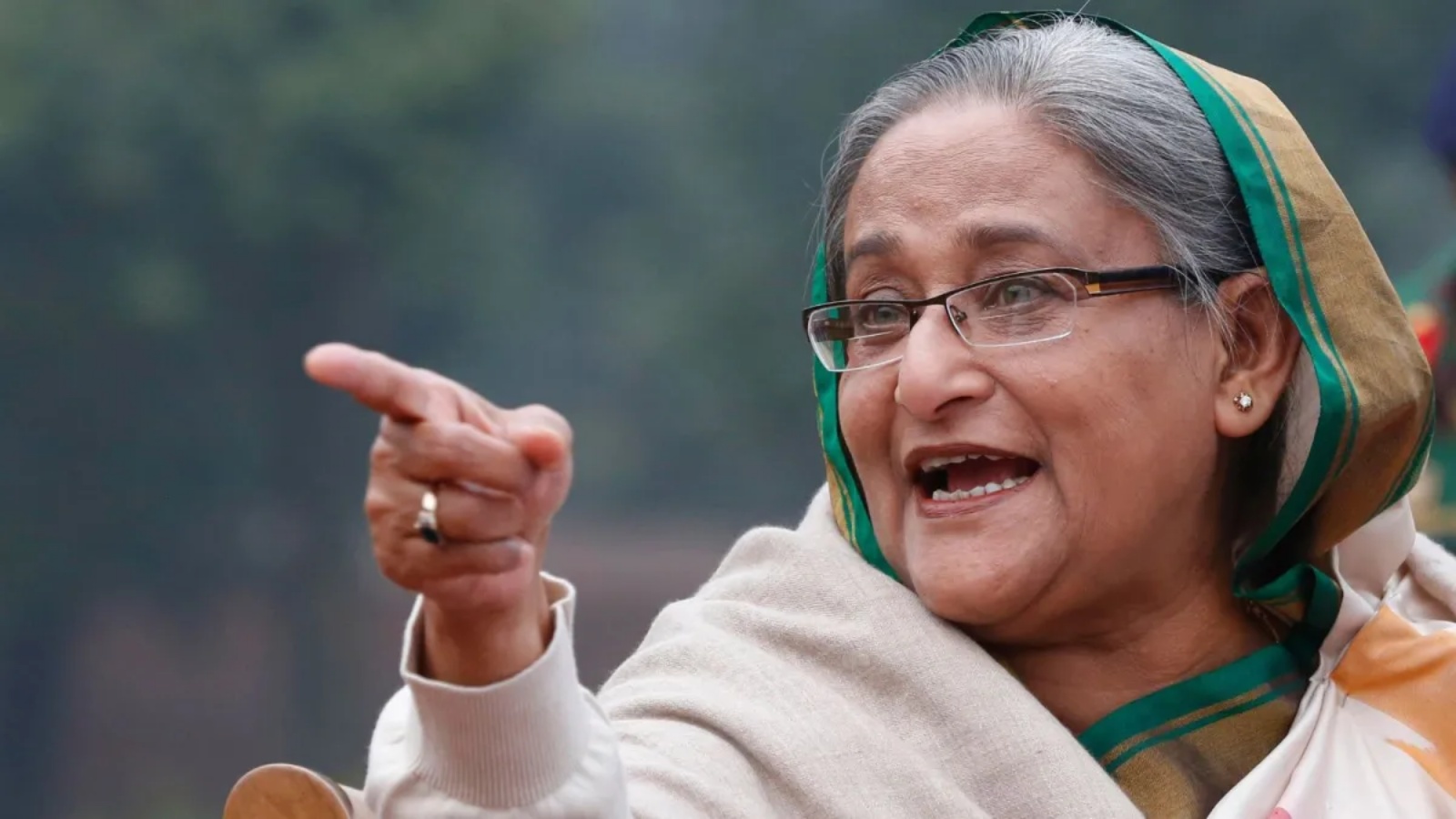
India's Ministry of External Affairs (MEA) has stated that there is no change in its position regarding former Bangladesh Prime Minister Sheikh Hasina, amid reports that she is preparing to return to Dhaka. Responding to queries, MEA spokesperson Randhir Jaiswal said any extradition request would be dealt with as a legal issue.
“There is no change in our approach to the matter. Any extradition matter is a legal issue, and it will be dealt with accordingly,” Jaiswal told reporters on Thursday.
The statement comes days after sources close to the 78-year-old Awami League leader said she is planning to return to Bangladesh in an effort to revive her party after nearly two years in exile. Hasina fled to India in August 2024 following widespread protests in Bangladesh that led to her resignation. She has been living in India since then.
Bangladesh’s interim government, led by Nobel laureate Muhammad Yunus, has not yet formally requested Hasina’s extradition, though legal experts say Dhaka could seek her return to face charges related to the protests. The MEA’s response indicates that India would handle any such request strictly by legal procedures and bilateral agreements.
Hasina, who served as prime minister for over a decade, has not made any public statement about her plans. The reports of her possible return have stirred political reactions in Bangladesh, where the Awami League remains a significant force despite its recent setbacks.
India has traditionally maintained close ties with Bangladesh’s successive governments, and the ruling Bharatiya Janata Party has avoided commenting on Hasina’s status. The MEA’s neutral stance aligns with India’s policy of non-interference in the internal affairs of neighbouring countries.
Observers note that extradition between India and Bangladesh is governed by a bilateral treaty signed in 2013, which requires both sides to provide prima facie evidence for criminal charges. Any request from Dhaka would likely undergo judicial scrutiny in India.
As the situation develops, India’s position remains cautious, balancing legal obligations with diplomatic relations.