Iran Ends Truce Deal With US After New Naval Blockade at Hormuz
Iran has officially withdrawn from the memorandum of understanding (MoU) signed last month with the United States, accusing Washington of violating the agreement. The Iranian Foreign Ministry stated that Tehran no longer considers itself bound by parts of the truce deal, citing the recent reimposition of a naval blockade on Iranian ports by the US military.
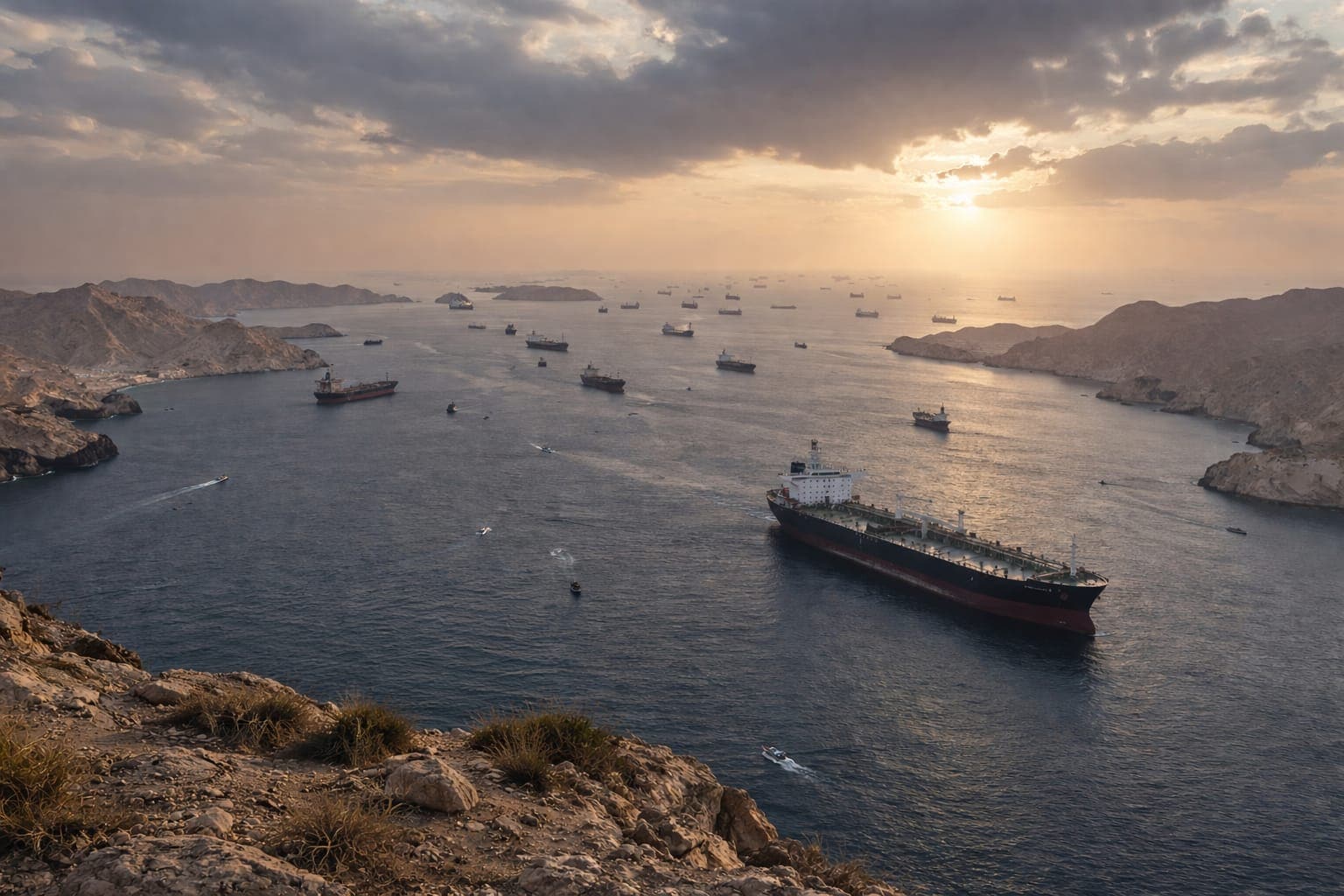
The blockade, reinstated early Wednesday, comes in response to Iranian attacks on ships attempting to pass through the Strait of Hormuz. This waterway, through which about 20% of the world's oil and natural gas flows in peacetime, has become a flashpoint in the ongoing conflict between the two nations.
Iran's Deputy Foreign Minister Kazem Gharibabadi said Iran will exercise "full sovereignty over the Strait of Hormuz, no matter the costs," including the portion traditionally controlled by Oman. He added that Iran will not seek negotiations with the United States.
The US first imposed a blockade in mid-April, lifting it in mid-June after signing the interim deal. That agreement set a 60-day period for negotiations over issues such as Iran's nuclear program, but talks stalled as fighting over the strait intensified.
US President Donald Trump announced the return of the blockade on Monday, also proposing a 20% fee on ships passing through the strait. However, hours before the blockade was reinstated, he dropped the fee plan, citing requests from Gulf allies.
Shortly after the blockade was reimposed, Iranian state media reported an exchange of fire in the strait. Admiral Brad Cooper, head of US Central Command, said Iran launched dozens of missiles and drones at neighboring Gulf Arab countries. Missile alerts were issued in Bahrain and Kuwait.
The US conducted additional strikes before reinstating the blockade, with Central Command stating, "US forces are holding Iran accountable for unwarranted aggression." At least 19 US warships, including two aircraft carriers and an amphibious assault ship with over 1,000 Marines, are in the Arabian Sea, alongside hundreds of military aircraft across the Middle East.
The war, which began on February 28 with US and Israeli operations against Iran, led Tehran to effectively close the strait by attacking ships, causing oil and commodity prices to soar. Recent Iranian attacks on vessels in a US-patrolled route near Oman have escalated tensions. The US has threatened to reopen the strait by force, but experts say this would require a significantly larger naval force and potentially tens of thousands of ground troops.