Trump says US will respond if Houthi blockade threatens Red Sea shipping
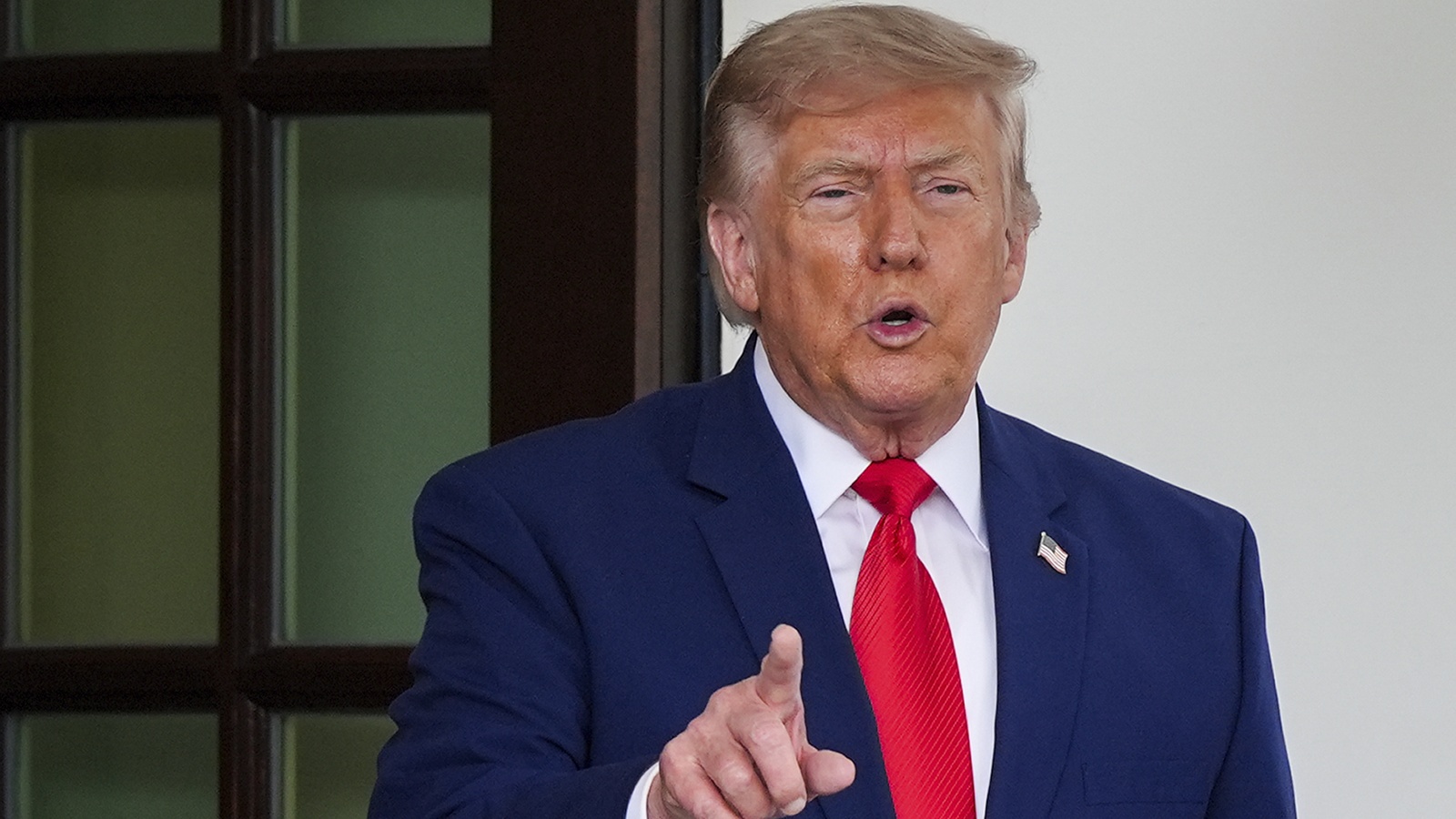
United States President Donald Trump has downplayed the threat of a potential blockade in the Red Sea by Yemen's Houthi rebels, asserting that Washington is prepared to act if the militant group disrupts commercial shipping. Speaking to reporters at the Oval Office on Tuesday, Trump stated, 'So far, it hasn't happened. Might happen, but we take care of things. We've done that with the Houthis before, and we haven't heard from them in a while since we did what we did originally.'
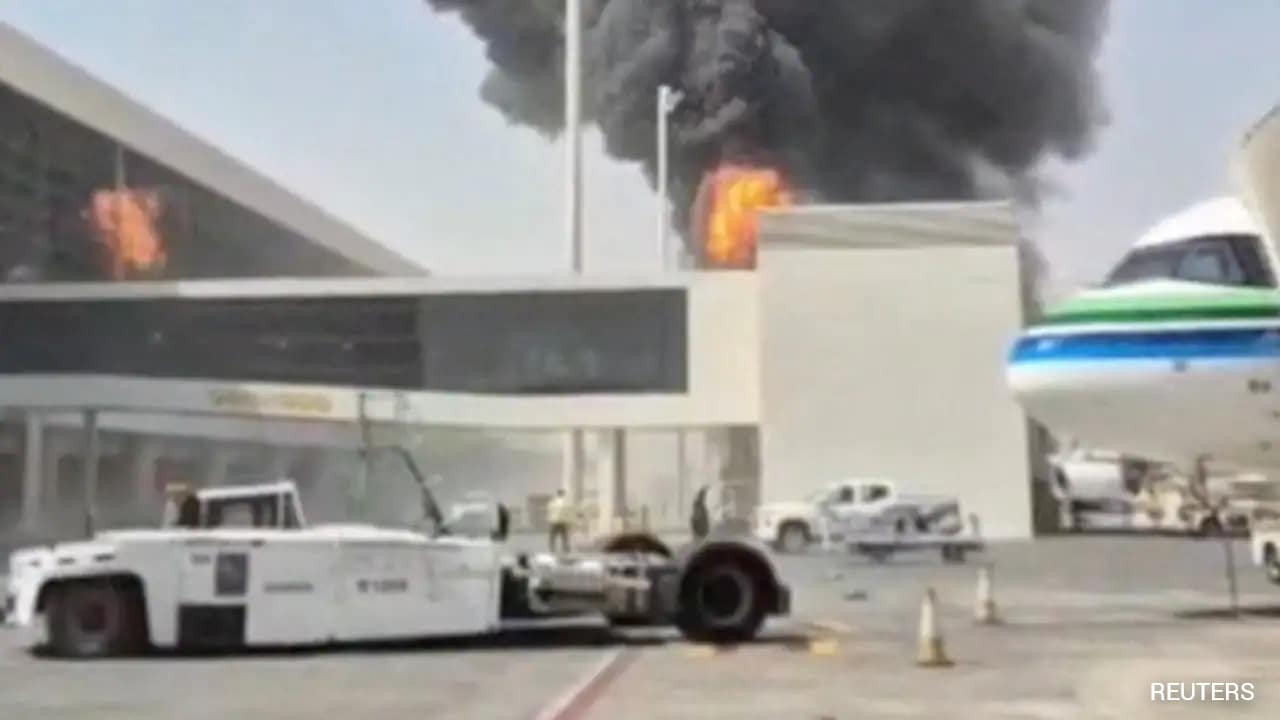
The Houthis, an Iran-backed group that controls large parts of Yemen, have previously threatened to target vessels in the Red Sea—a crucial waterway for global energy supplies. The remarks come amid heightened tensions between the United States and Iran, which has provided military and logistical support to the Houthis since the Yemeni conflict began in 2014.
A naval blockade in the Red Sea could disrupt the flow of oil and gas from the West Asia region, potentially affecting global markets. The passage through the Bab el-Mandeb strait, which connects the Red Sea to the Gulf of Aden, is a vital chokepoint for crude shipments from the Persian Gulf to Europe and North America.
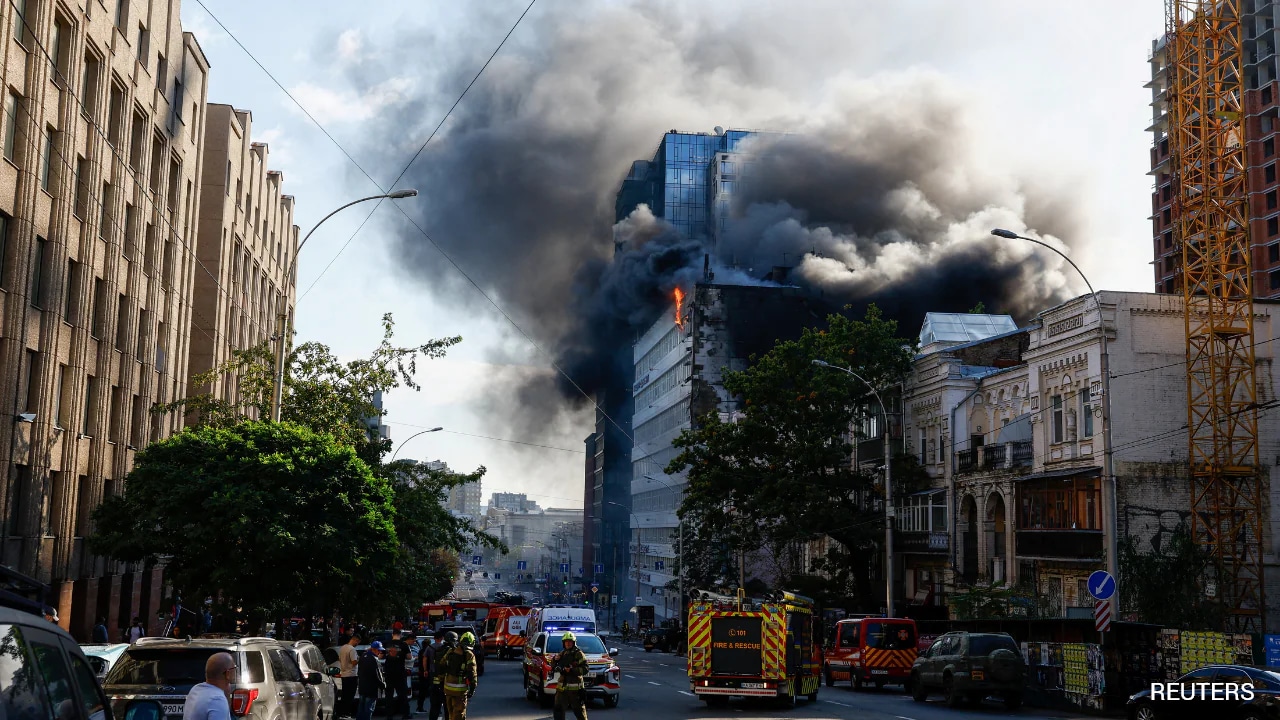
The United States has conducted airstrikes against Houthi targets in the past, particularly in response to attacks on Saudi Arabia and the United Arab Emirates. Trump's comments reaffirm the US stance that it will not tolerate any interference with international waterways. However, he did not specify what form a US response would take.
The Houthi leadership has not formally declared a blockade, but the group has demonstrated the capability to launch drone and missile attacks on commercial vessels. In 2018, the Houthis briefly blocked a Saudi oil tanker, prompting international condemnation.
Analysts note that any escalation could further strain US-Iran relations and complicate ongoing peace efforts in Yemen, where a UN-brokered truce has largely held since April 2022. The Houthis have demanded the reopening of Yemen's ports and airports, which are controlled by the Saudi-led coalition, as a precondition for broader negotiations.
Trump's remarks appear to signal that the US will rely on military deterrence rather than diplomatic engagement to address the threat. The president often uses direct language to underscore his administration's readiness to use force, a approach that has drawn both praise and criticism.