Trump demands Iranian compensation as Hormuz peace talks stall
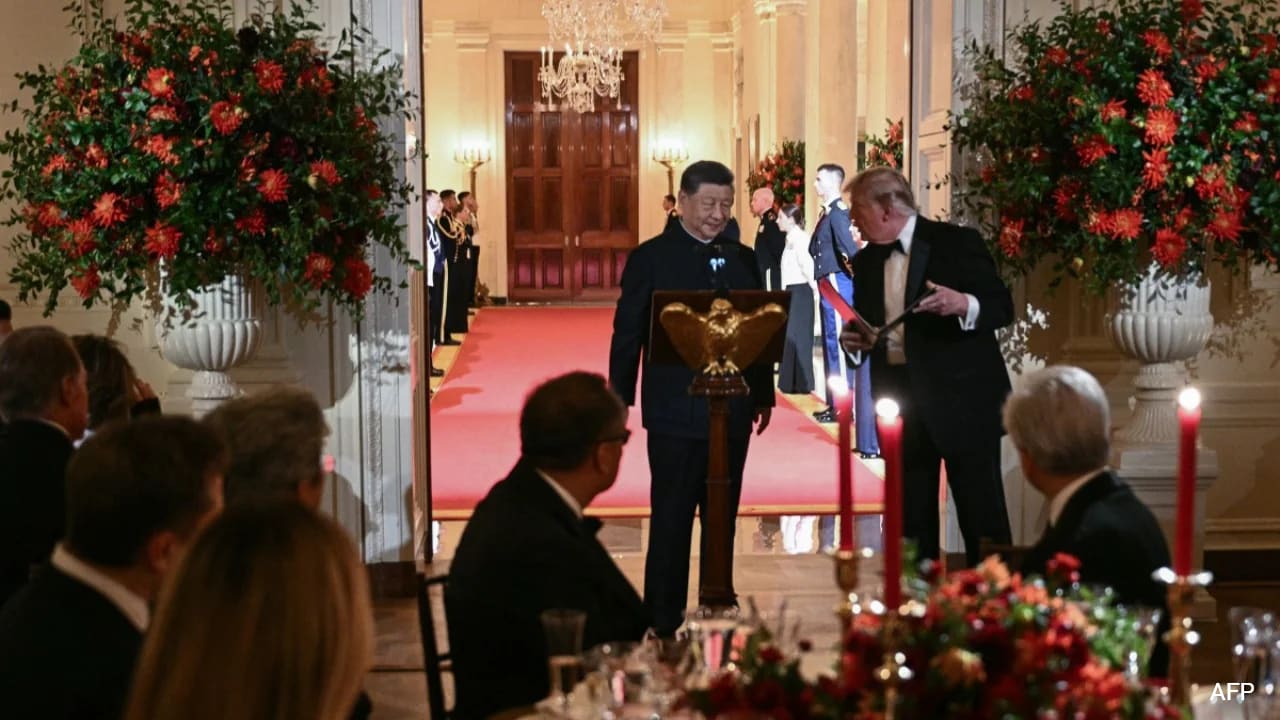
US President Donald Trump said on August 10, 2026, that he would seek conflict compensation from Iran as part of any peace negotiations, citing attacks and killings stretching back decades allegedly backed or perpetrated by Tehran. The announcement came as negotiations on ending the war and reopening the Strait of Hormuz remained deadlocked.
Mr. Trump's demand was a direct response to Iran's insistence that the United States pay war reparations as a pre-condition to resolving the ongoing hostilities. Speaking to reporters, Mr. Trump said he was likewise demanding compensation from Iran, adding that his claim covered not only damages from the current conflict but also Iranian attacks on US targets over more than two decades. He also mentioned payments to families of Iranian protesters killed by authorities over the past 50 years, though he did not elaborate on how or why such payments would be part of a bilateral compensation demand.
The president's new conditions risk pushing a quick agreement further out of reach, as both sides have already taken hardline positions. The war in West Asia, which began earlier this year, has drawn in multiple regional powers and disrupted global oil shipments through the Strait of Hormuz. The strait is a critical chokepoint for roughly one-fifth of the world's petroleum trade, and its closure has led to significant volatility in international energy markets.
Diplomatic efforts have been led by several countries, including Oman and Qatar, but have so far failed to produce a ceasefire. The demand for compensation from both sides has emerged as a major stumbling block, with each government presenting its own accounting of grievances and insisting that the other must accept responsibility before negotiations can proceed.
Analysts say that the mutual demands for reparations are likely to prolong the conflict. "When both parties enter talks with such a maximalist approach, the space for compromise narrows dramatically," said Dr. Amira al-Hassan, a political scientist at the Gulf Studies Centre in Doha. "What we are seeing is a classic deadlock where historical grievances are being folded into current strategic calculations."
The reference to payments for families of Iranian protesters was particularly puzzling to observers. It remains unclear whether Mr. Trump intended to suggest that Iran should compensate its own citizens for state violence, or whether he was alluding to US support for protesters. No further clarification was provided from the White House.
The conflict in West Asia has taken a heavy toll on civilians. According to the United Nations, more than 20,000 people have been killed, with millions displaced across the region. Humanitarian organisations are struggling to reach affected populations due to the blockade of delivery routes and ongoing hostilities.
Meanwhile, the new security triangle emerging with the Makkah Pact — which brings together Saudi Arabia, the United Arab Emirates, and other Arab nations — is reshaping the regional balance of power. That pact, detailed in a separate analysis, adds another layer of complexity to the negotiations.
As the diplomatic impasse continues, the international community watches closely. The United Nations Security Council has called for an immediate ceasefire and a return to diplomacy, but no date for a new round of talks has been announced.