Tamil Nadu Speaker's 'life begins at conception' remark triggers abortion law debate
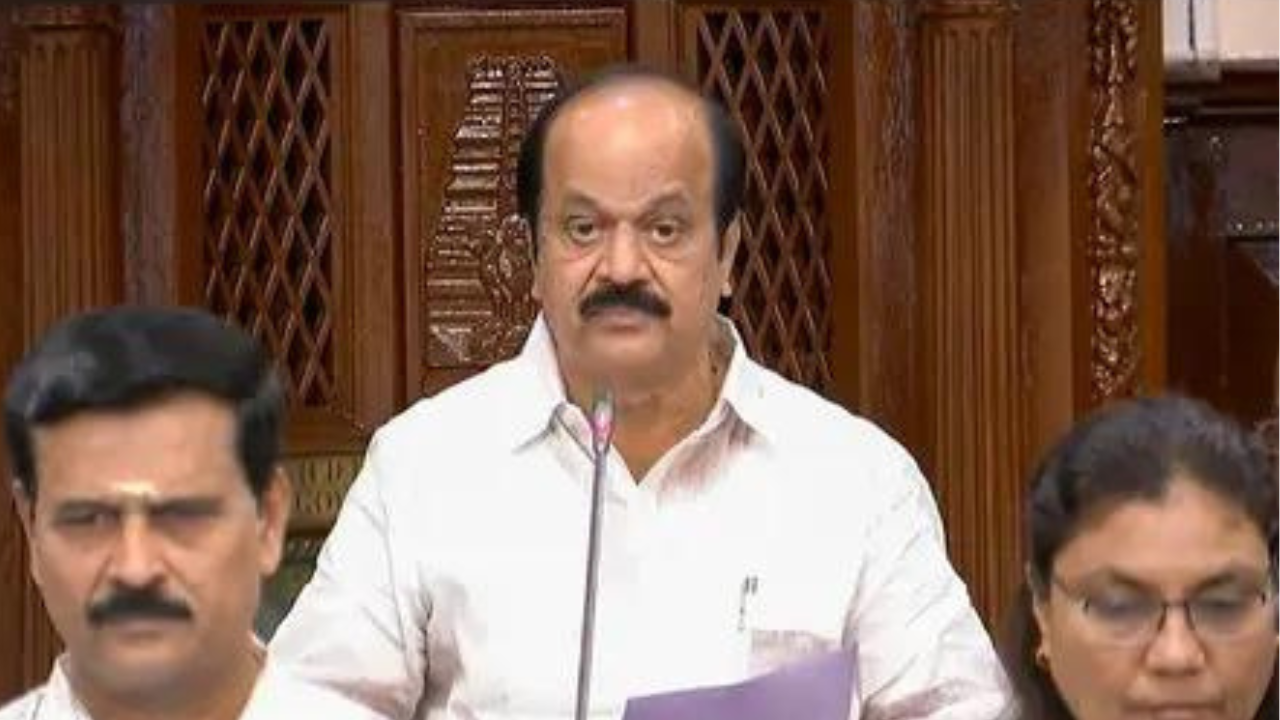
Tamil Nadu Assembly Speaker JCD Prabhakar has sparked a political and legal debate after reportedly stating that “life begins at conception” at an anti-abortion march in Chennai. The remark, made during the 5th National March for Life held on August 8 and 9, has drawn a response from the state’s Health Minister, who emphasised that abortion remains a regulated medical necessity under Indian law.
The event, hosted by the Archdiocese of Madras-Mylapore at Stella Maris College, drew more than 5,000 participants. According to a PTI report, the gathering protested abortion rights and advocated for the protection of unborn life. The organisers also explicitly criticised the Medical Termination of Pregnancy (MTP) Act, which governs the legal framework for abortions in India.
Prabhakar’s remarks, echoing global anti-abortion sentiments, were met with a clarification from Health Minister K G Arunraj on Monday. During a press conference to announce the MBBS/BDS rank list for 2026-27, Arunraj said he was unaware of the context in which the Speaker made the comments and urged the public not to misinterpret them.
“Abortion is regulated through the Medical Termination of Pregnancy (MTP) Act,” the minister stated. “Legally, as per the current law, women can legally undergo an abortion up to 20 weeks of pregnancy. In the medical field, across many circumstances, abortion is a definitive medical necessity, and it is something we must do.”
Arunraj’s remarks highlight a key distinction between personal opinions and state policy. While the Speaker’s position reflects a specific moral viewpoint, the MTP Act provides for legal abortions under specified conditions, including risks to the mother’s health, foetal abnormalities, and cases of rape or incest. The Act was amended in 2021 to extend the permissible limit from 20 to 24 weeks in certain circumstances.
The controversy raises questions about the role of constitutional authorities in public debates on sensitive issues. The Speaker of a state legislature is expected to uphold the Constitution and remain impartial in matters of public policy. However, attending a religiously affiliated event and making statements on a legally regulated medical procedure has drawn criticism from some quarters, while others defend his right to personal conviction.
Political observers note that the Health Minister’s careful response seeks to prevent the issue from becoming a flashpoint between the government and the Speaker. The state government has not issued an official statement on the matter, and the Speaker has not commented further.
Medical professionals have weighed in on the debate, stressing that abortion is a complex issue with significant health implications. Dr. S. Ramani, a gynaecologist in Chennai, said, “The MTP Act is designed to balance the rights of the mother and the foetus. It is not a blanket permission for abortion, but a legal safeguard for women facing medical emergencies.”
The event at Stella Maris College is part of a larger global movement that opposes abortion on moral and religious grounds. Such movements often cite the beginning of life at conception as a central tenet. In India, the abortion debate is frequently framed within the context of women’s rights, public health, and ethical considerations.
As the discussion unfolds, the focus remains on ensuring that India’s legal framework is implemented without prejudice or misinterpretation. The MTP Act continues to be the guiding law, and any deviation from it would require parliamentary deliberation. For now, the Speaker’s remarks have opened a conversation about the boundaries between personal belief and public duty.