Tamil Nadu Assembly passes resolution to scrap NEET; BJP walks out
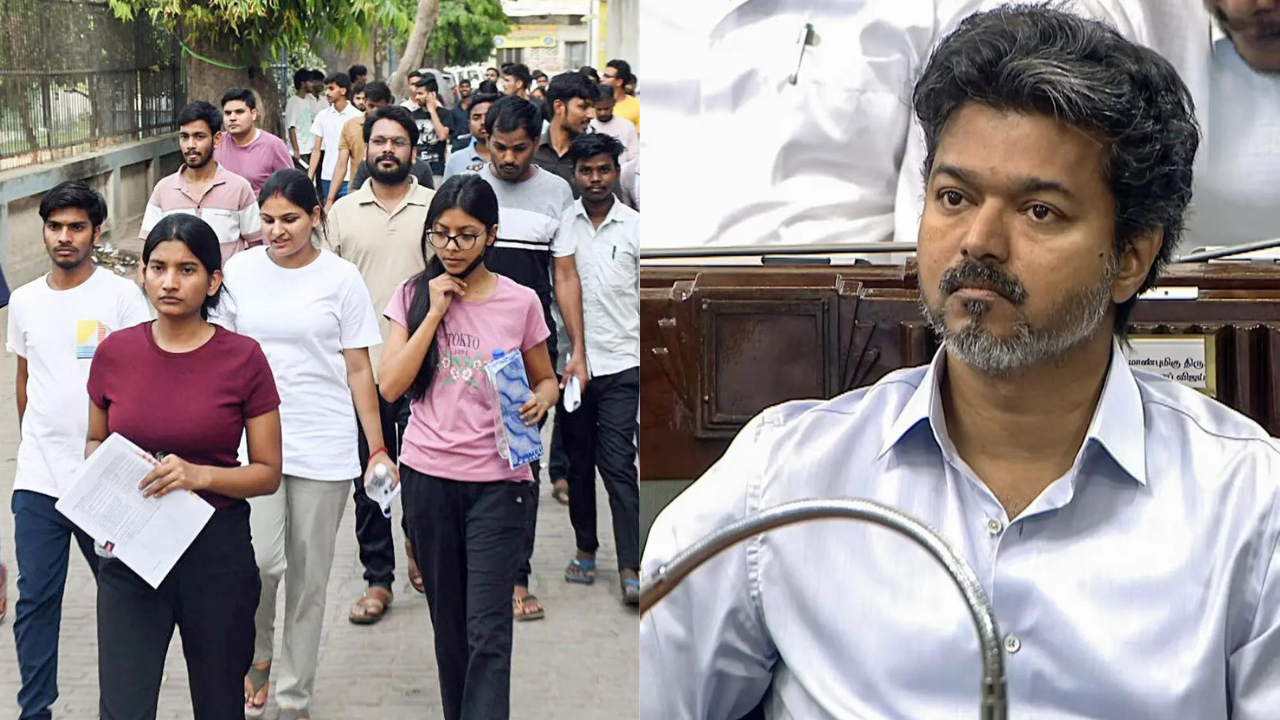
The Tamil Nadu Legislative Assembly on Tuesday passed a resolution urging the Union government to abolish the National Eligibility cum Entrance Test (NEET). The resolution was moved by Health Minister K G Arunraj and was supported by major parties including the DMK, AIADMK, Left parties and the PMK. The lone BJP MLA staged a walkout during the proceedings, signalling opposition to the move.
Moving the resolution, Minister Arunraj said NEET was against social justice, equality and the rights of states. He argued that the single-day examination had undermined medical education opportunities for students from rural and socio-economically disadvantaged backgrounds. The minister also said that NEET had led to the proliferation of coaching centres charging exorbitant fees, and that it had shifted students' focus from the regular school curriculum to test preparation.
The resolution further expressed concerns over "paper leaks, loss of young lives, forfeiture of students' trust" associated with NEET. It asserted that a single test should not determine a student's future when they have spent 12 years in school, and that the examination placed disproportionate pressure on students.
The resolution proposed that medical admissions be made on the basis of Class 12 marks instead of NEET. This reflects the state government's long-standing demand for a decentralised admission process that it believes would be fairer to its students.
This is not the first time the state has opposed NEET. In 2017, the Tamil Nadu Assembly passed a law to exempt the state from the test, but the Supreme Court invalidated it. The state has continued to press its case, arguing that medical education should be within the legislative domain of states.
The Tamil Nadu government had previously urged the Centre to scrap NEET and introduce a medical admission system based on Class 12 marks. Finance Minister Marie Wilson reiterated this demand while presenting the state Budget for 2026-27. The budget allocated Rs 8,393 crore to the higher education sector, indicating the state's commitment to educational infrastructure.
The BJP has consistently defended NEET as a transparent and merit-based test that ensures a level playing field across states. The party's lone legislator in the assembly chose to walk out rather than participate in the vote, citing the need to uphold the central examination system. The Union government has maintained that NEET helps standardise medical education and curb malpractices like capitation fees.
The resolution is largely symbolic because NEET is conducted under the authority of the Union government, and a state assembly cannot compel the Centre to act. However, it underscores the strong political consensus in Tamil Nadu against the test. The issue has been a long-standing point of friction between the state and the Centre, involving questions of federal autonomy, social justice and equitable access to higher education.
NEET was introduced as a common entrance test for medical colleges after a Supreme Court order in 2013. Supporters argue it has brought uniformity and reduced corruption in admissions. Critics, however, say it favours wealthy students who can afford intensive coaching, leaving rural and poor students at a disadvantage. These competing perspectives are central to the ongoing debate.
The Tamil Nadu government's latest resolution now awaits a response from the Union government. While the Centre has rejected similar demands in the past, the state's continued opposition keeps the issue alive in the national discourse. For now, the resolution stands as a formal expression of the state's position, with the hope that medical admissions will one day move away from a single, high-stakes test.