Switzerland Talks: U.S. and Iran Negotiate Interim Deal Amid Strait of Hormuz Tensions

Talks between the United States and Iran began in Switzerland on Sunday, June 21, 2026, aimed at implementing the interim agreement signed last week to end the war. The U.S. delegation is led by Vice President J.D. Vance and includes Jared Kushner and Steve Witkoff. The Iranian team is headed by Parliament Speaker Mohammad Bagher Qalibaf and Foreign Minister Abbas Araghchi. Pakistan and Qatar are acting as mediators.
On the eve of the talks, Tehran announced it had closed the Strait of Hormuz again in response to Israel's ongoing military campaign in Lebanon against the Iranian-backed Hezbollah group. The interim deal is intended to stop fighting on all fronts, including Lebanon. Iran has stated that the talks must first address the situation in Lebanon.
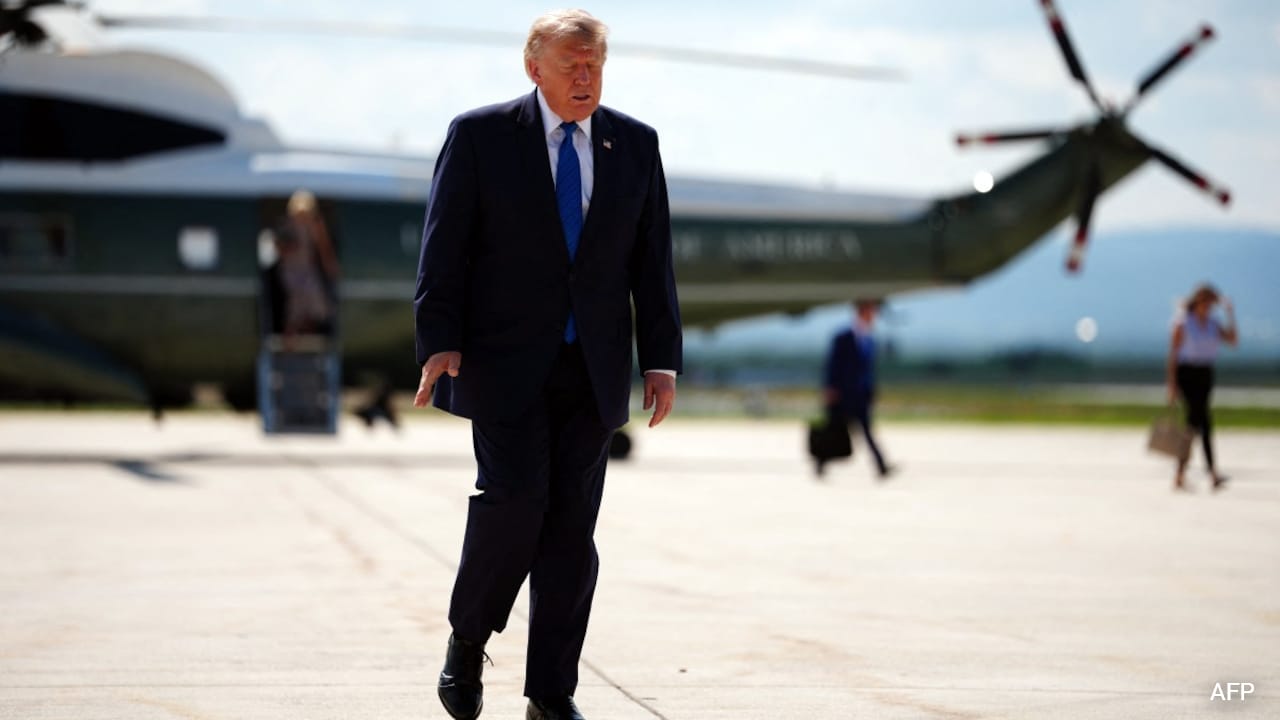
The United States maintains that shipping traffic through the crucial waterway continues uninterrupted. U.S. President Donald Trump has threatened to impose American tolls on vessels transiting the strait if a final deal with Iran is not reached within 60 days. Other key issues include unfreezing billions of dollars in Iranian assets and addressing Iran's nuclear programme, which has been at the heart of tensions.
Negotiators on both sides are anticipating a long night of discussions. A senior U.S. diplomat, speaking on condition of anonymity to detail private deliberations, said Iranian negotiators remained engaged contrary to some reports. Much of the discussion has focused on clarifying recent Iranian statements regarding the Strait of Hormuz. The parties are also discussing mechanisms to ensure the strait remains open and to enforce a ceasefire in southern Lebanon.
Oil prices edged up on Sunday amid lingering uncertainty over the Strait of Hormuz, a critical passageway for global oil and natural gas. U.S. crude oil rose nearly 3% to $78.70 per barrel, while Brent crude, the international benchmark, increased slightly over 1% to $81.70 per barrel.
Members of Iran's delegation briefed their media that Sunday's talks primarily focused on Lebanon. Other topics, including the release of frozen Iranian assets and Iran's oil exports, were also discussed. Hamid Bovard, CEO of the National Iranian Oil Company and part of the Iranian delegation, confirmed that the issue of lifting oil-related sanctions and associated waivers was pursued during negotiations.
Separately, Israeli Prime Minister Benjamin Netanyahu brushed aside criticism that the war had fallen short of its goals. Speaking at the JNS International Policy Summit in Jerusalem, Netanyahu expressed belief that the Iranian government would collapse as a result of the military campaign, which aimed to create conditions for a popular uprising. He stated, 'I think we created the conditions for its future fall. That is what will be the real triumph, when the Iranian people take their own destiny in their hands, and they knock out this brutal regime that is terrorizing them and terrorizing the rest of the world.'
The talks in Switzerland are expected to continue through the night as negotiators work toward a comprehensive implementation of the interim deal.