Supreme Court acquits man after 22 years in jail, criticises high court for technical dismissal
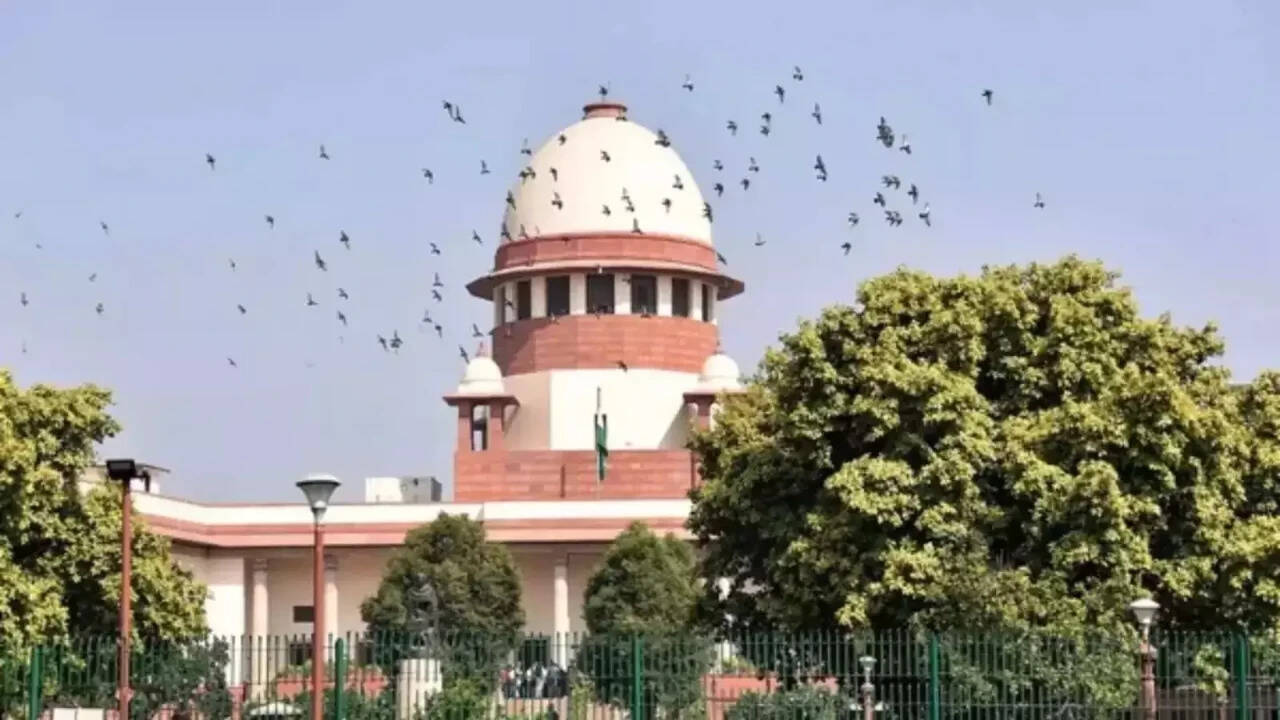
The Supreme Court has acquitted a man who spent 22 years in prison after being wrongly convicted of murder. The court criticised the trial court for failing to properly evaluate evidence and the Odisha High Court for refusing to hear his appeal on technical grounds, which extended his imprisonment by 10 years.
The man, a poor litigant, had already served 12 years in jail when he approached the high court. The high court dismissed his appeal citing a delay of 3,157 days in filing, without considering that it was a jail appeal. This dismissal kept him in prison for another decade before the Supreme Court intervened.
A bench of Justices J.B. Pardiwala and K. Vinod Chandran expressed deep dismay at the high court's order. The bench said, “Access to justice still eludes the marginalised sections of our society and especially those convicted and imprisoned from among them.” The court noted that the high court should have taken a practical and sympathetic view, especially since the appeal was filed from jail.
“When the three pillars of democracy consistently endeavour to bring legal aid to the doorsteps of every citizen, especially the poor... we should sensitise ourselves in taking a liberal approach... not a mere liberal approach but a pro-active one to condone delay, however large it is, when a convict knocks at the door of a court,” the bench observed.
The Supreme Court, while examining the evidence, found that the conviction was based on a sole eyewitness whose testimony was unreliable and shaky. The court also noted that the confession was extracted using third-degree methods and was not admissible. “... a person taken into custody on mere suspicion from whom a confession, though not admissible, was extracted employing third-degree methods, the trial court fails to evaluate the evidence properly, and the high court remains a mute spectator... resulting in 22 years being erased out of a person’s life without any reliable evidence,” the court said.
The judgment highlights systemic failures in the criminal justice system, particularly the hurdles faced by marginalised individuals in accessing justice. It underscores the need for courts to adopt a more compassionate and proactive approach in matters involving convicts who file appeals from jail.
The case serves as a reminder of the importance of fair trial and the need for appellate courts to ensure that technicalities do not become barriers to justice. The Supreme Court's decision not only acquits the man but also calls for introspection within the judiciary to prevent such miscarriages of justice in the future.