Sheikh Hasina's Son Alleges Bangladesh 'Failed State', Sees Terror Export Risk
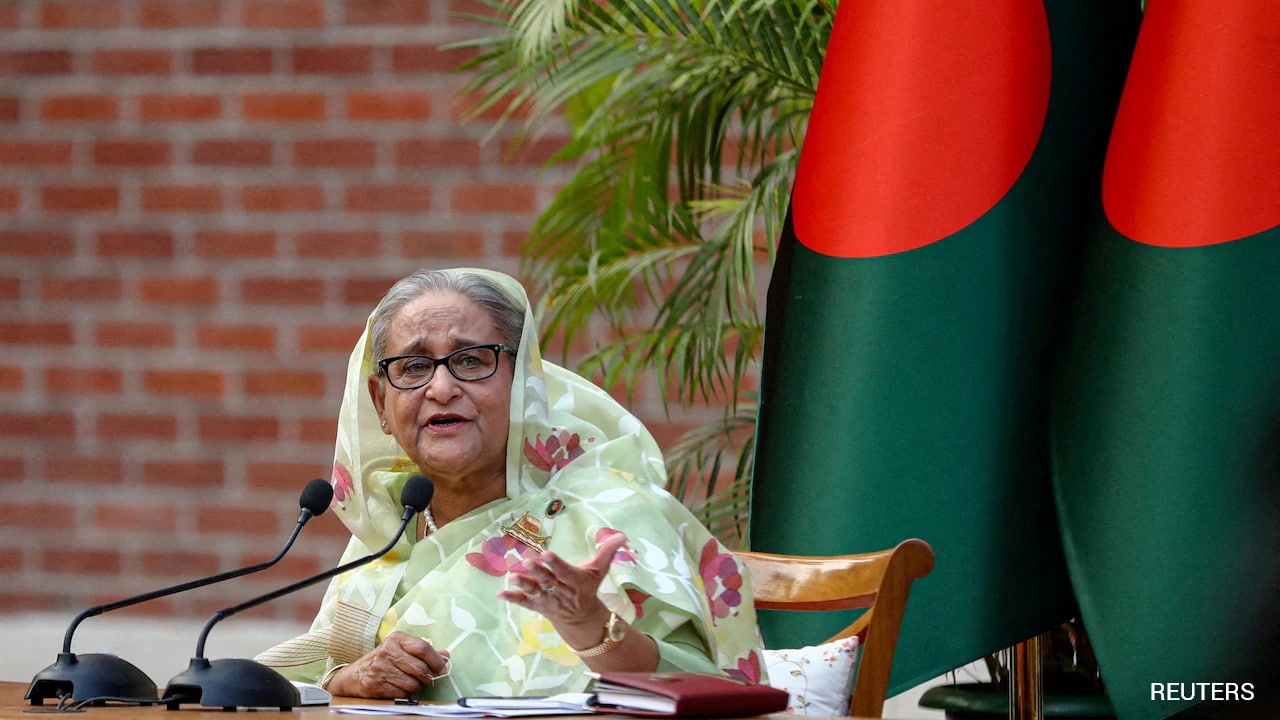
New Delhi: Sajeeb Wazed Joy, son of ousted Bangladesh prime minister Sheikh Hasina and a senior leader of the Awami League, on Wednesday said Bangladesh has become a "failed state" and could become a hub for regional terrorism unless the international community steps in.
Speaking virtually from Maryland in the United States at the Foreign Correspondents' Club in New Delhi, Joy alleged that foreign intelligence agencies, particularly Pakistan's Inter-Services Intelligence (ISI), now operate openly in Bangladesh. He claimed that hundreds of convicted terrorists jailed under the Awami League government have been released, and that banned outfits such as Hizb ut-Tahrir now hold public marches. He also alleged that individuals linked to al-Qaeda have addressed rallies.
"What should concern India most is that Bangladesh has become another Pakistan on India's eastern side. You have another Pakistan today on your eastern front... al-Qaeda operatives are speaking at public rallies. This is what is happening in Bangladesh, and this does not portend well for India or the world at large," Joy told the gathering.
He warned that "the next generation of global terrorists is going to come from Bangladesh unless this is stopped," and appealed to Indian media to give sustained coverage to the situation.
The remarks come about six months after Bangladesh's parliamentary elections, in which the Bangladesh Nationalist Party (BNP), led by Tarique Rahman, won a decisive majority and formed a government, ending Muhammad Yunus's interim administration. The Awami League was banned from political activity by an earlier caretaker government and barred from contesting the election. Joy argued that this exclusion meant the vote could not be considered fully representative.
Beyond the security warning, Joy raised several other grievances. He disputed the death toll from the July-August 2024 protests that led to Hasina's ouster, noting a gap of about 600 between United Nations estimates (around 1,400) and the government's figure (around 800). He said the UN had not responded to repeated requests from Awami League lawyers for the names behind the higher count.
Joy also criticised what he called an "Indemnity Bill" passed under the Yunus administration and since ratified by the BNP government. He said it grants blanket immunity to protesters, including for killings of police officers, civilians and Awami League members, leaving no path to prosecute those deaths.
He further alleged that thousands of Awami League members and sympathisers, including elderly former officials, have been held in custody for extended periods without trial or bail. Some have died in custody under circumstances he described as extrajudicial killings. He said party members continue to be targeted and killed outside prison "every few weeks" without police action.
Joy also claimed that journalists, editors and media owners perceived as sympathetic to the Awami League have remained jailed for over two years. He alleged that intelligence officials visited Indian media houses ahead of Wednesday's event to discourage coverage.
Warning that Bangladesh's economy, already strained, is at risk of "total collapse" under continued mismanagement, Joy predicted the country's political trajectory, including future elections, would remain skewed in the ruling party's favour. The Awami League, which had governed Bangladesh for over a decade before Hasina's ouster in August 2024, has faced a broad crackdown under the interim and then the elected BNP government.
These are allegations made by a political leader in exile. The current Bangladeshi government has not yet publicly responded to the specific claims made in this address.