Supreme Court to examine plea for national digital register for advocates
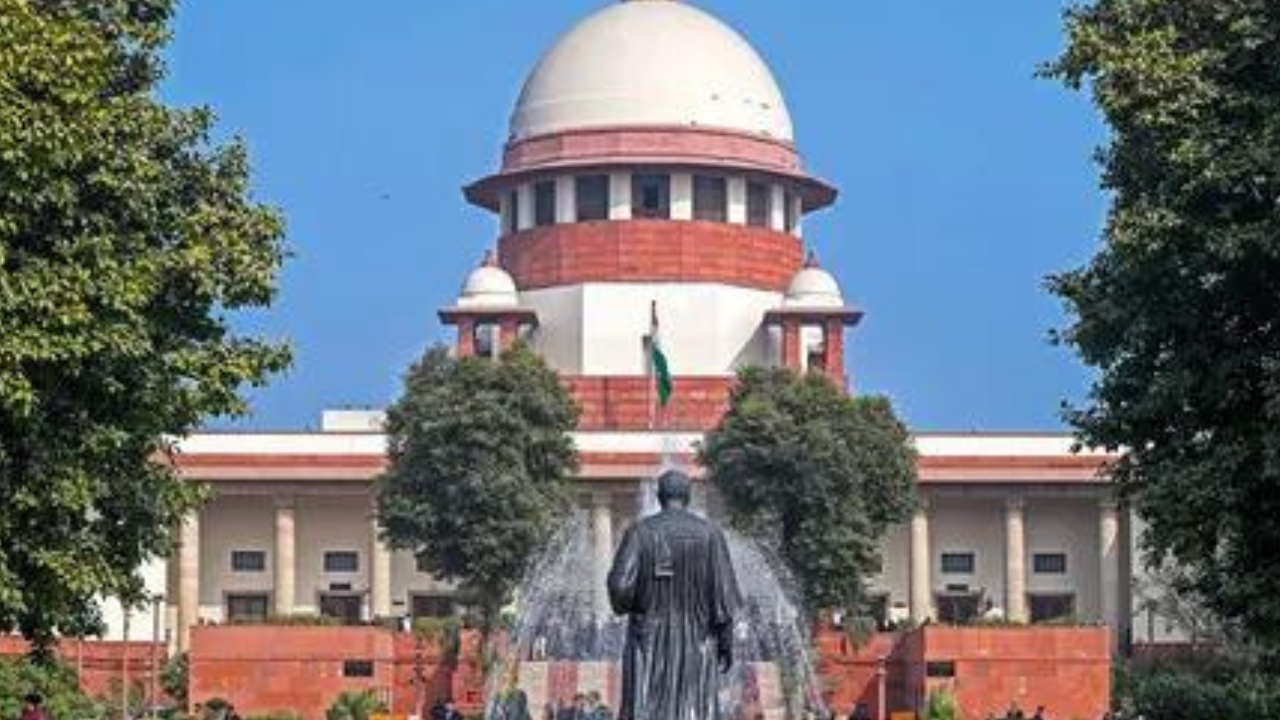
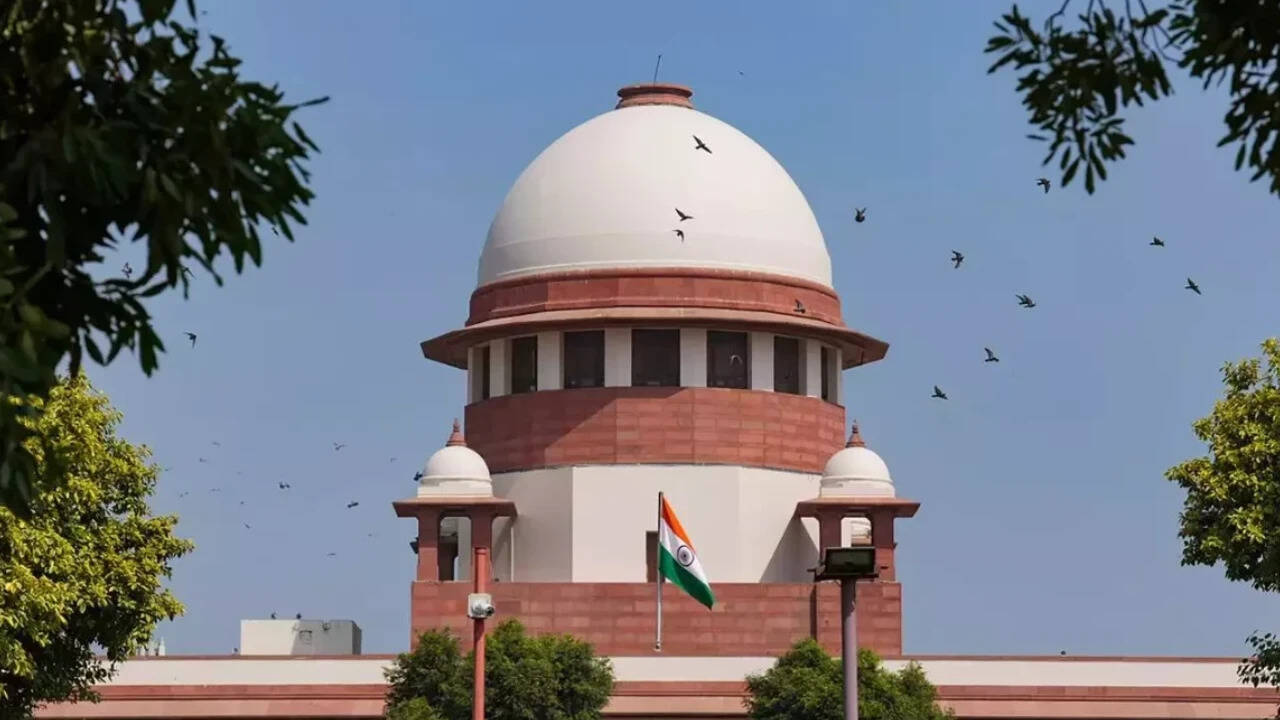
The Supreme Court has agreed to examine a plea seeking the creation of a national digital registry for advocates, similar to Aadhaar, to address concerns about unverified law degrees and unqualified individuals practising law.
A bench comprising Chief Justice Surya Kant and Justice V. Mohana heard the petition filed by the Bar Association of India (BAI). BAI counsel Prashant Kumar and Vipin Nair argued that the absence of a comprehensive digital record undermines judicial independence and the integrity of the legal profession. They cited a recent statement by the Bar Council of India (BCI) chairperson that an estimated 35-40 per cent of those practising in courts may lack genuine law degrees.
The petitioners contended that periodic verification drives by the BCI are inadequate and that a permanent technology-driven solution is needed. They proposed a National Digital Registry for Legal Professionals, which would include all advocates and their qualifications.
The Chief Justice observed that the idea appeared innovative and implementable using technology, but it would require the involvement of all universities that confer law degrees. He noted that these institutions would need to provide verified lists of graduates who have genuinely obtained the requisite qualifications to practise.
The court issued notices to the Union government, the Bar Council of India, the University Grants Commission, and all state bar councils, seeking their responses to the public interest litigation.
During the hearing, Chief Justice Kant expressed doubts about the genuineness of law degrees held by some advocates who post derogatory comments on social media against the judiciary. He stated, 'I am prima facie convinced they are backdoor entries. Advocates by and large are very responsible. The system must identify those who are masquerading as lawyers without proper degrees. The best way to sideline them is to encourage and strengthen the young lawyers by giving them periodic training, as is being done by some advocate bodies, and giving them space in courts. They must be brought to the forefront.'
Kumar also suggested that the BCI and the court frame guidelines on appropriate conduct for lawyers on social media. The Chief Justice responded, 'Our hope is the young lawyers and future generation.'
The Supreme Court is expected to hear the matter further after receiving responses from the parties involved.