J&K Statehood Demand After Terror Attacks Draws Political Fire
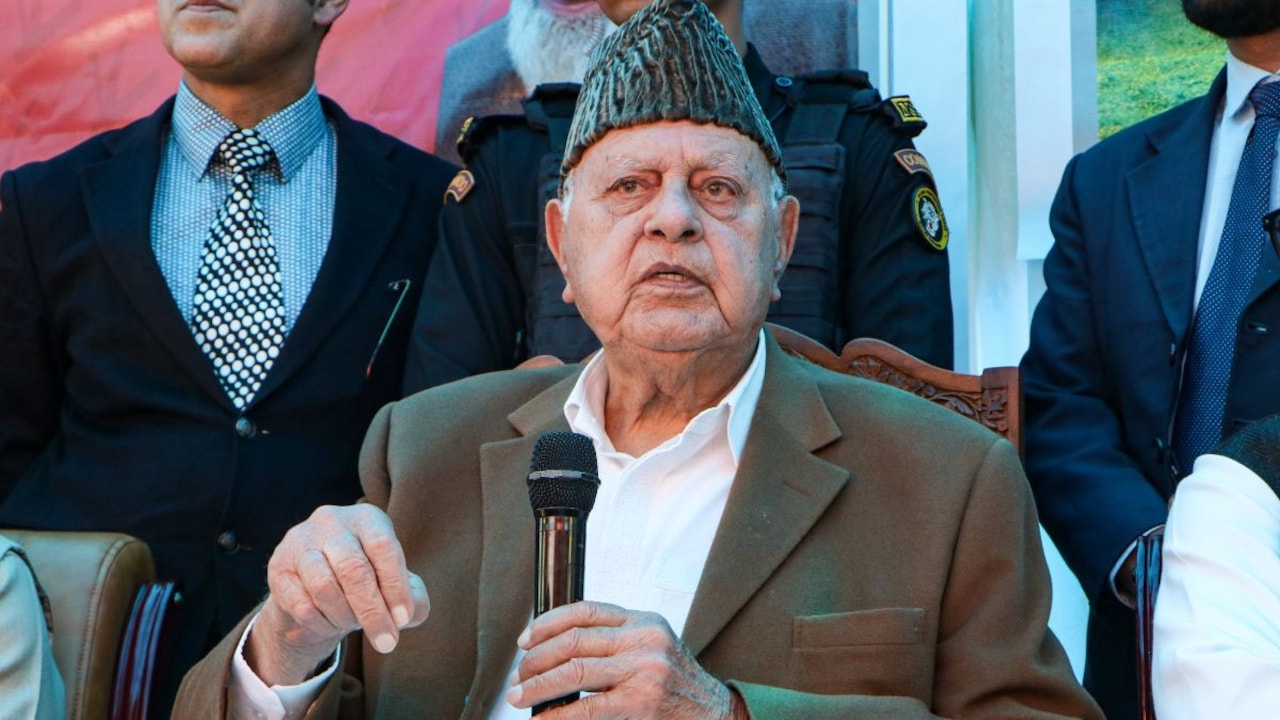
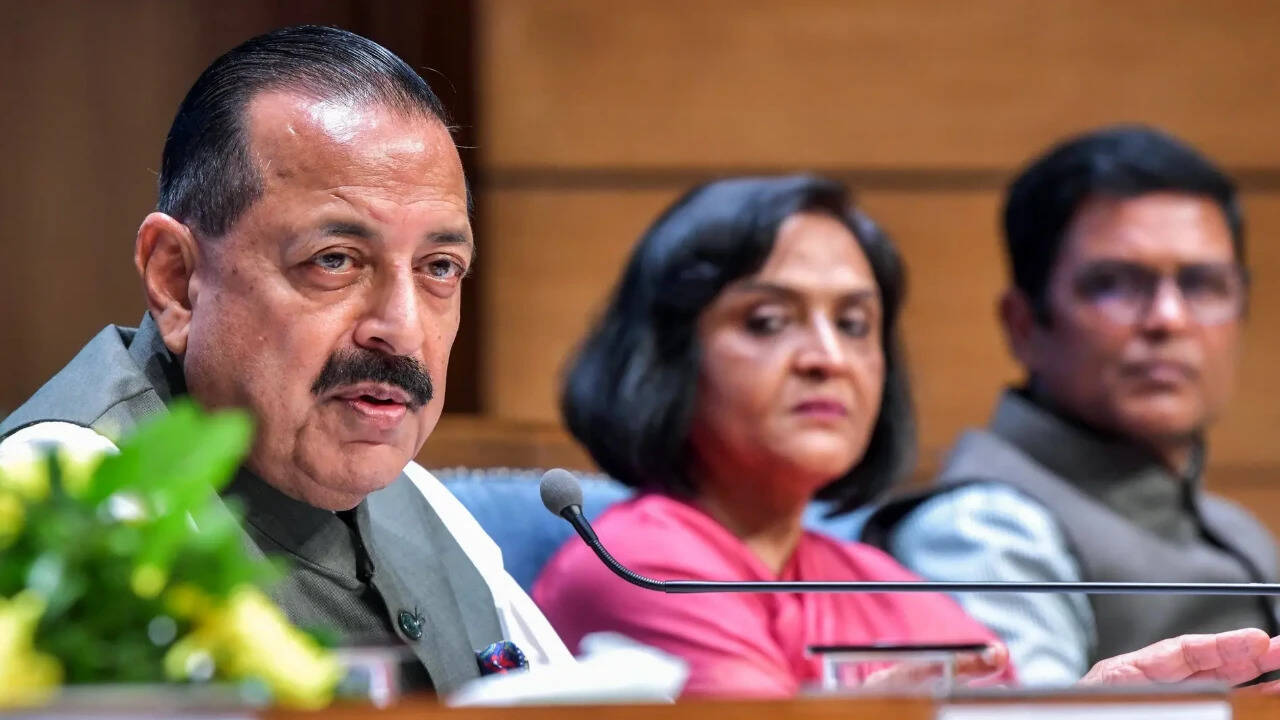
Srinagar, June 12: National Conference chief Farooq Abdullah has renewed his demand for restoration of statehood to Jammu and Kashmir, asserting that the scrapping of Article 370 has not ended terrorism in the Union Territory. His remarks, made on Sunday, have drawn sharp criticism from the BJP and the Peoples Democratic Party (PDP), who accuse him of politicising the recent terror attacks.
Speaking to reporters, Abdullah questioned the government's claim that terrorism had been eliminated. "Tell us who these killers are? You have been saying that terrorism has ended. If it was so, then who are these killers?" he asked, referring to the recent attacks in south Kashmir. He also pointed to the origin of the attackers, saying, "Where did these terrorists come from? Borders are completely under control. Now, you see how the situation has changed after 2019, did they finish terrorism?"
The comments come amid a massive security crackdown and hundreds of detentions in the last ten days following two terror attacks in the region, including the Pahalgam attack that killed 25 tourists and a local resident. That attack led to India's military response under Operation Sindoor, with cruise missiles striking terror infrastructure inside Pakistani territory.
Abdullah's linking of terrorism with the statehood issue has been rejected by political rivals. The BJP called his statements "illogical conspiracy theories." PDP chief Mehbooba Mufti's daughter, Iltija Mufti, echoed this sentiment, saying, "Statehood seems to be the end all and be all for the Jammu and Kashmir government. Unfortunate to see the ruling party's senior leaders and ministers create illogical conspiracy theories about GOI thwarting statehood by pointing fingers about the two innocent labourers gunned down in a shameful act of terror. A moment of grief shouldn't be politicised."
It remains a fact that National Conference leaders have been demanding an investigation into the killings of the two migrant workers. However, the party's position on statehood has appeared inconsistent. After the Pahalgam attack, Chief Minister Omar Abdullah had said he would never use the tragedy as an opportunity to demand restoration of statehood. Yet, in July, the Abdullahs held a protest in Delhi demanding statehood restoration after terror attacks were reported in the Union Territory, a move they had not made immediately after the Pahalgam attack.
Farooq Abdullah also raised concerns about the situation in Pakistan-Occupied Kashmir (PoK). He described the people of PoK as "our brothers who are living under the oppression of the Pakistani state." He said India and the world community have not adequately raised their voice over the worsening human rights situation there, and demanded the United Nations send a human rights mission to PoK.
The demand for statehood restoration has been a recurring political issue in Jammu and Kashmir since the abrogation of Article 370 in August 2019, which changed the region's special status and split it into two Union Territories. While the central government has maintained that statehood will be restored at an appropriate time, opposition parties have consistently pressed for immediate restoration.
The recent attacks have further intensified the political debate. While the government highlights the success of its security policies, leaders like Abdullah argue that terrorism persists, thereby questioning the effectiveness of the post-2019 measures. The allegations and counter-allegations show the deep political divide on how to address both security and governance issues in the region.
Observers note that the timing of Abdullah's remarks is significant, as they come amid heightened security operations and political sensitivity. The response from the PDP, a rival in the region, underscores the complex political landscape where even opposition parties are reluctant to appear sympathetic to narratives that could be seen as undermining national security.