Digital Arrest Victim, 75, Moves Delhi HC Seeking CBI Probe; Court Asks Police for Status Report

New Delhi: A 75-year-old breast cancer survivor, who was forced to sell her home in south Delhi’s Vasant Kunj, pawn her gold jewellery and part with nearly ₹3 lakh in a digital arrest scam, has approached the Delhi High Court seeking a Central Bureau of Investigation (CBI) probe into the case. The petitioner alleges that the Delhi Police have made “little meaningful progress” since the FIR was registered in April this year.
The woman, identified as Vibha (name changed), and her daughter Seema Chauhan (name changed) filed a writ petition on July 30, requesting the transfer of the case to the CBI. The High Court has issued notices to the Delhi Police and the CBI, seeking their responses. It has also directed the police to submit a detailed status report within two weeks and posted the matter for hearing on August 13.
“This is a case where the fraudsters not only forced an elderly woman to be under continuous video surveillance but also showed up at her doorstep, thereby involving digital as well as physical extortion and harassment. This is why we have sought a CBI inquiry into the case,” said Kush Sharma, the advocate representing the petitioners.
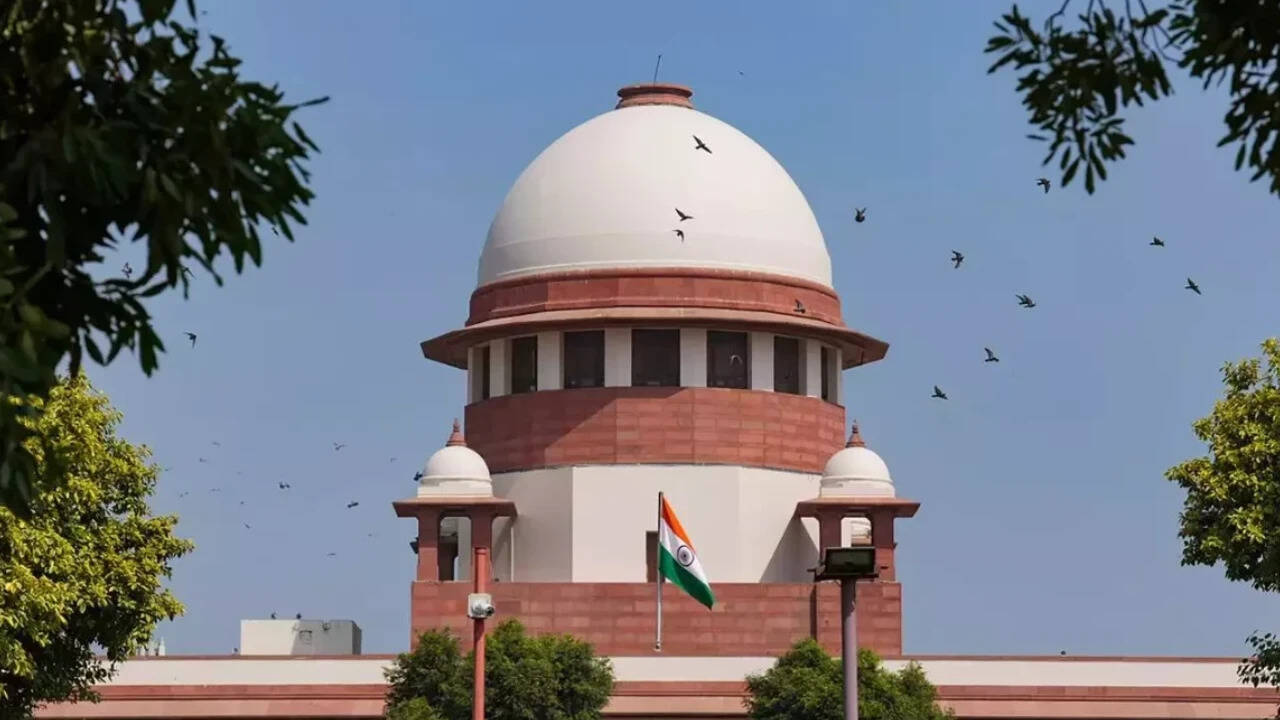
The plea cites the Supreme Court’s directions from December 1, 2025, in a suo motu case, where the court observed that senior citizens are the most targeted victims in digital arrest cases and that the CBI must be the primary agency to investigate such cases. The apex court has repeatedly expressed concern over such crimes. Last week, a three-judge Bench led by Chief Justice of India Surya Kant remarked, “Digital arrest scams are the worst kind of crime against people, especially senior citizens whose life savings and hard-earned money are fraudulently siphoned out when they need it the most.”
Vibha was under digital arrest from April 6 to 27. Men claiming to be CBI officials told her to hand over her savings, jewellery and property to avoid action from the Enforcement Directorate. They threatened to bring her children, who live outside India, back to the country and arrest them if she did not comply.
Her daughter, who lives in the Netherlands, returned to India after learning of the crime, and an FIR was registered on April 27. Since then, the senior citizen says the police have not updated the family on the investigation, even as they continue to receive phone calls and messages from the perpetrators.
“The fraudsters are still at large and have been harassing my mother by calling her multiple times and sending messages and e-mails,” said Seema Chauhan.
“When I contacted the investigating officer and told him that my mother is still getting calls and messages from them, he told me he would summon them for interrogation after I returned to India. All this while, the police did not take any action against them,” she claimed.
When reached for comment, Investigating Officer Subhash Pokhriyal said the police have identified multiple bank account holders to whom the proceeds from the crime were transferred. “At least 10-12 bank accounts have been identified. We are interrogating the account holders,” he said.
Digital arrest scams have emerged as a serious concern, with fraudsters impersonating law enforcement agencies to extort money through video calls and threats. The High Court’s decision to seek a detailed status report will be closely watched as it could set a precedent for handling such cases involving elderly victims.