Supreme Court Seeks EC Data on Voter Deletion Appeals in West Bengal
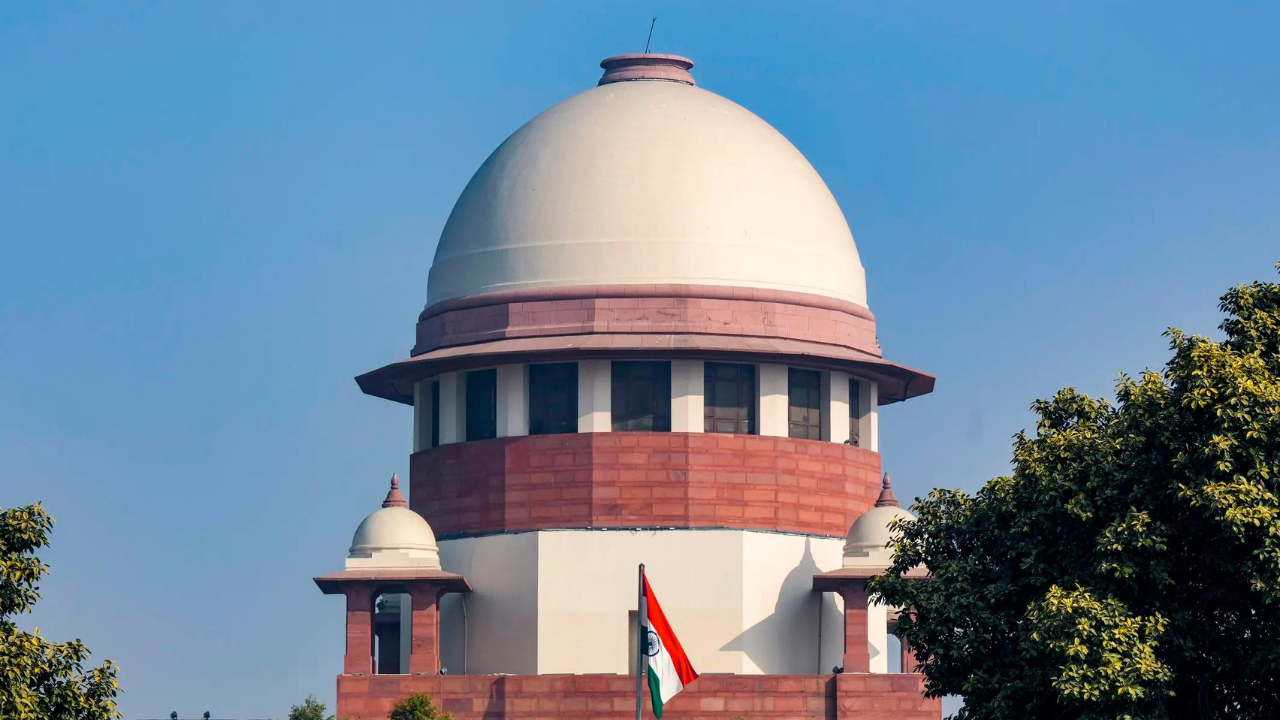
The Supreme Court of India on [date] directed the Election Commission (EC) to furnish data on appeals filed against the deletion of voters' names during the Special Summary Revision (SIR) of electoral rolls in West Bengal. The order came during a hearing on a petition alleging irregularities in the revision process, raising concerns about the disenfranchisement of eligible voters.
The bench, comprising [names of judges if known, else 'the bench'], sought comprehensive details from the EC, including the number of deletions made, the number of appeals filed against such deletions, and the outcomes of those appeals. The court emphasised the need for transparency to ensure that no eligible voter is arbitrarily removed from the electoral rolls, a foundational requirement for a healthy democracy.
The Special Summary Revision is a routine exercise conducted by election authorities to update electoral rolls. However, in West Bengal, this process has been mired in controversy, with allegations from political parties and civil society groups that names of certain voters, particularly those belonging to minority and marginalised communities, were deleted without proper notice or opportunity for a hearing.
Petitioners in the case argued that mass deletions during the SIR could potentially alter the electoral outcome in favour of the ruling party, a claim strongly denied by the state government and the EC. The EC, in its response, has maintained that the deletions were carried out as per the guidelines and that adequate provision for appeals exists for affected voters.
The Supreme Court's intervention is seen as a crucial step in upholding the constitutional right to vote. By seeking empirical data on the appeals process, the court is attempting to assess whether the procedural safeguards were effectively implemented. The data will also help in understanding the scale of the problem and whether the grievance redressal mechanism was accessible to the common voter.
Legal experts point out that the right to vote is not merely a statutory right but a constitutional right that underpins representative democracy. Any arbitrary deletion of names without due process can undermine the legitimacy of the electoral system. The apex court's decision to examine the EC's data on appeals is a move towards ensuring accountability and fairness in electoral governance.
The matter is scheduled for the next hearing on [date], by which time the EC is expected to submit the data. The court also indicated that it may consider issuing directions to streamline the appeal mechanism in future revisions, particularly in regions with historically low voter turnout or high deletion rates.
Observers note that this case reflects a broader judicial scrutiny of electoral roll management across India. With several state elections and the general elections on the horizon, the integrity of the electoral process remains a top priority. The Supreme Court's proactive stance is likely to have implications for how election authorities conduct future revisions, ensuring that the principle of 'one person, one vote' is upheld.
While the EC has expressed its willingness to comply with the court's order, the final outcome will depend on the data presented and the court's interpretation of it. For now, the focus remains on ensuring that no voter is left behind in the democratic exercise, and that the electoral roll reflects the true and accurate composition of the electorate in West Bengal.