Supreme Court Quashes 27 'Foreigner' Declarations, Mandates Fair Hearing
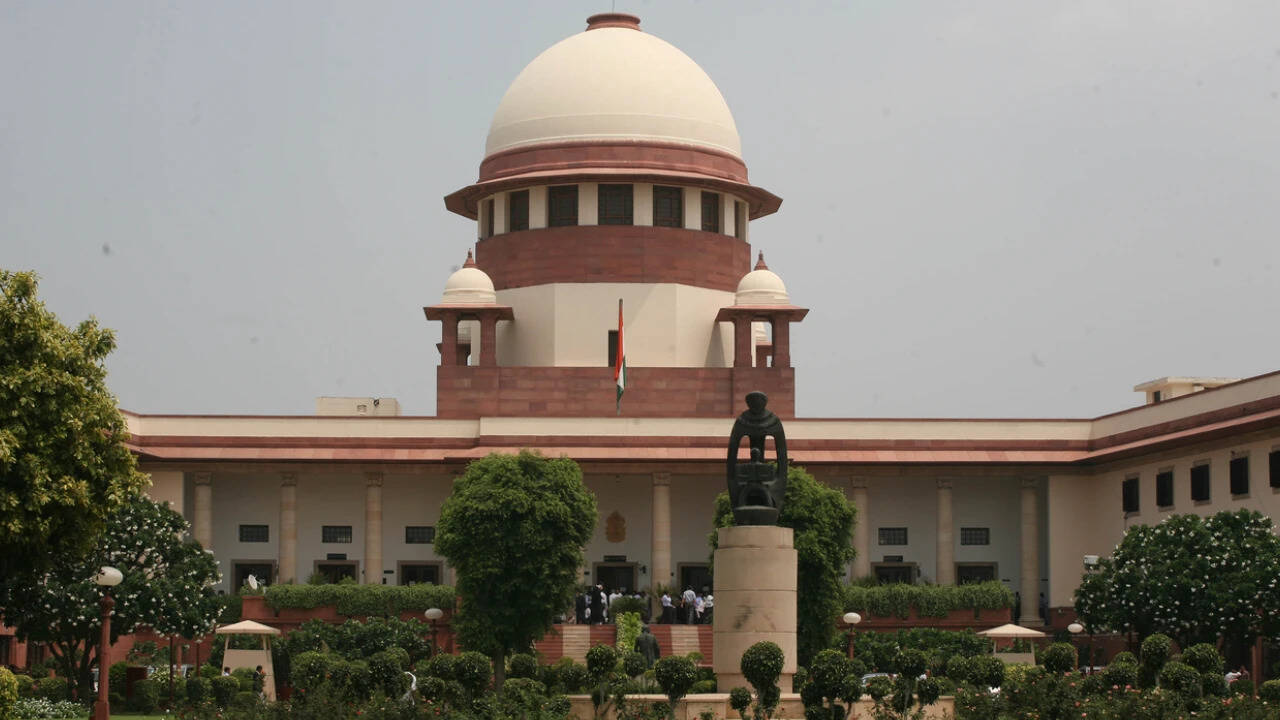
The Supreme Court on Monday set aside the orders of the Guwahati High Court and Foreigners Tribunals that had declared 27 individuals as foreign nationals. The bench of Justices Vikram Nath and Sandeep Mehta ruled that the determination of citizenship must follow a 'fair, lawful and reasonable' process, and that the tribunals had failed to adhere to principles of natural justice.
The court observed that being declared a foreign national has severe consequences, including detention, deportation, separation from family, and potential statelessness. Therefore, the process must be conducted with utmost fairness. While acknowledging the government's legitimate interest in preventing illegal immigration, the bench stressed that constitutional safeguards cannot be ignored.
The statutory burden of proof under Section 9 of the Foreigners Act lies on the person to establish that they are not a foreigner. However, the court clarified that this 'does not authorise a mechanical declaration' and does not exclude the principles of natural justice. The tribunal must ensure a fair procedure, meaningful notice, consideration of material, and a reasoned opinion.
'The statutory burden placed upon the proceedee operates only after the proceeding is lawfully initiated and after the proceedee is placed in a position to understand the case against him or her,' the court said. 'A person cannot be expected to prove the negative without being told, with reasonable clarity, the material basis on which he or she is alleged to be a foreigner.'
The Supreme Court further noted that such individuals often rely on old public documents to prove ancestry, residence, and identity. They cannot discharge the burden unless the grounds of allegation are disclosed and a meaningful opportunity is given to respond and produce evidence. The opportunity must be 'effective, not merely formal.'
The court quashed the impugned orders and directed the Foreigners Tribunals to conduct fresh hearings in accordance with law. The case highlights the ongoing process of identifying foreigners in Assam, which has been contentious and subject to multiple legal challenges. The ruling reinforces that even in matters of national security, the rule of law and constitutional protections must prevail.







