India launches UNSC campaign for 2028-29 with ‘SHANTI’ vision, Jaishankar outlines priorities
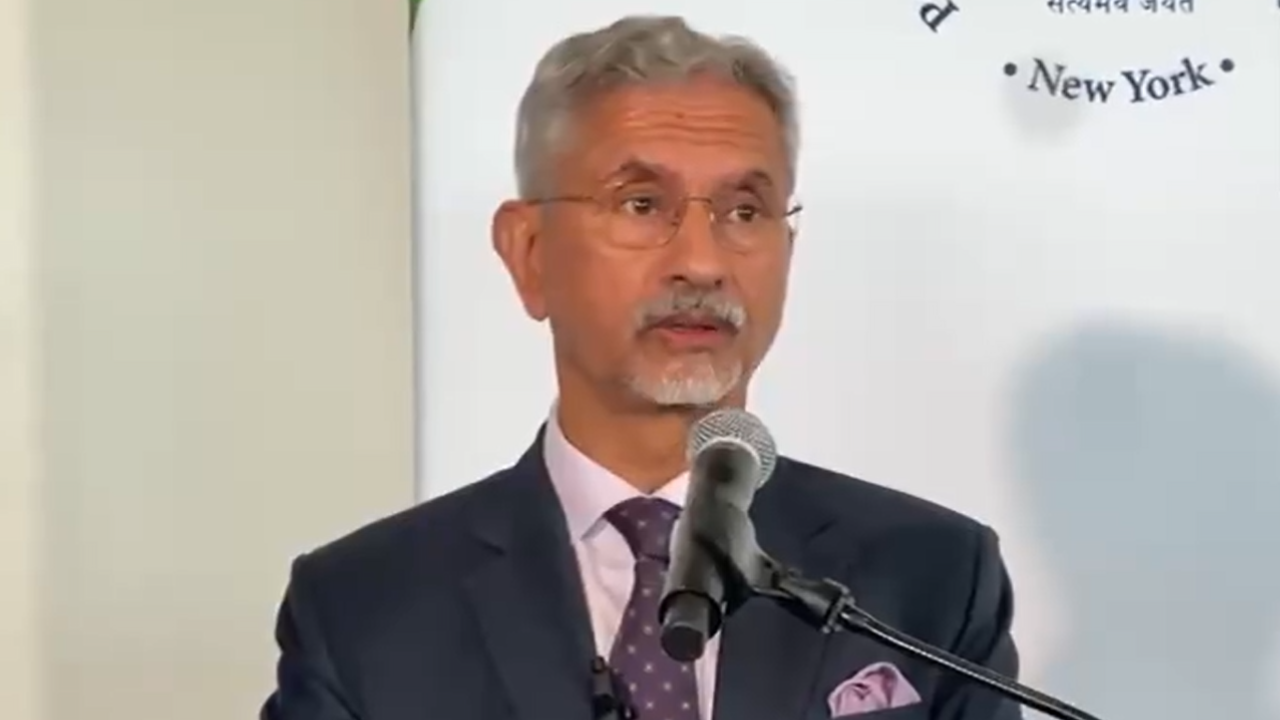
India has formally launched its campaign for a non-permanent seat on the United Nations Security Council (UNSC) for the 2028-29 term. External Affairs Minister S. Jaishankar unveiled the country’s vision, named ‘SHANTI’ — a Sanskrit word meaning peace — during a special event in New Delhi on Tuesday.
The ‘SHANTI’ vision emphasises five pillars: Security, Humanity, Advancement, Nurturing, and Integration. Jaishankar said the framework aims to promote a more inclusive, representative, and effective Security Council that addresses contemporary global challenges such as terrorism, climate change, and pandemics.
India has previously served as a non-permanent member of the UNSC seven times, most recently in 2021-22. The election for the 2028-29 term will be held in 2027 by the UN General Assembly. India is expected to seek the endorsement of the Asia-Pacific group, which typically rotates its candidacy among member states.
In his address, Jaishankar highlighted India’s contributions to UN peacekeeping, counter-terrorism efforts, and the fight against climate change. He called for reform of the UNSC, including expansion of both permanent and non-permanent categories, to reflect contemporary realities. “The world cannot be governed by outdated structures. The UNSC must be reformed to give voice to the Global South,” he said.
The launch of the campaign comes amid India’s bid for a permanent seat on the reformed UNSC, which has been backed by several countries but faces opposition from the P5 nations. India’s non-permanent campaign is seen as a step towards building momentum for broader UN reforms.
The Ministry of External Affairs said the SHANTI vision will guide India’s diplomatic engagements at the UN over the next five years, focusing on peacekeeping, sustainable development, and human rights. The campaign will involve outreach to member states across all regions to secure the two-thirds majority required for election.







